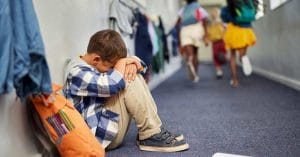
A Danish father sparked controversy after his 10-year-old daughter was forced to eat her packed lunch alone in freezing weather because she refused to participate in a new government-funded school meal program. The school initially banned students with packed lunches from eating with classmates, but reversed its policy after the father complained to local politicians and media.
School Isolates Student Over Packed Lunch
Ten-year-old Isabella Solberg attends Rismølleskolen in Randers, one of several Danish schools participating in a national trial school meal program. The initiative, launched in the 2025/2026 school year with 854 million kroner in government funding, aims to provide predominantly vegetarian meals to students in grades 4-6 while promoting social cohesion during mealtimes.
Isabella’s father, Nicolai Solberg, decided to pack lunches for his daughter after she repeatedly came home with stomach aches and hadn’t eaten. The girl takes ADHD medication, which affects her appetite, and struggled with the vegetarian-heavy menu offered at school. What happened next shocked the family.
School staff told Isabella she couldn’t eat her packed lunch with classmates in the dining hall. Initially, she was forced to eat alone in her classroom while other students shared meals together. Later, the school allowed her to sit in the dining hall with her peers, but only if she didn’t open her lunch. She had to wait until outdoor recess to eat her food in the cold schoolyard.

Father Calls Treatment Shocking
Nicolai Solberg described his reaction when Isabella came home and explained what happened. He found the situation deeply troubling, particularly given Denmark’s public schools‘ emphasis on inclusion and equal treatment for all students.
The father argued that his daughter shouldn’t be made to feel wrong for not participating in the mandatory meal program. Schools frequently promote inclusion and accommodation for diverse needs, yet Isabella faced exclusion over a lunch preference. From January 2 to January 20, school leadership maintained that students with packed lunches couldn’t eat alongside program participants.
Everything changed after Nicolai contacted a local city council politician and TV2 Østjylland. The school abruptly reversed its policy. Isabella now eats her packed lunch in the dining hall with classmates, and school principal Pernille Engamo issued an apology.
School Admits Handling Error
Principal Engamo acknowledged the school mishandled Isabella’s situation. She emphasized that excluding students from mealtime community was never the intention. The school is still navigating procedures for the new meal program, which remains in early implementation stages.
Engamo explained that Rismølleskolen looked to other schools with meal program experience when developing policies. Some schools recommended keeping packed lunches separate from communal dining to maintain program integrity. However, she admitted this approach was a mistake in Isabella’s case.
Going forward, the school will handle packed lunch requests individually through dialogue with parents. Several students now receive permission to eat packed lunches in the dining hall alongside meal program participants. Engamo stated the school takes all parental concerns seriously and will adjust policies when students aren’t thriving.
National Trial Program Lacks Preparation
The Danish government allocated funds for a nationwide school meal trial running through the first half of the 2028/2029 school year. The program seeks to gather knowledge about school meals’ impact on student health, learning, and well-being. Government officials hope shared mealtimes strengthen community bonds among students and between students and supervising adults.
Professor Hans Henrik Sievertsen from VIVE research institute called Isabella’s situation absurd. He noted that any permanent meal program would need sustainable alternatives for students unable or unwilling to participate. Excluding certain students would never work as a long-term model.
Sievertsen predicted problems like those at Rismølleskolen before the program launched. In a February 18, 2025 opinion piece, he expressed concern about insufficient preparation time before the fall 2025 rollout. While supporting school meals conceptually, he warned that schools lacked adequate time to address special situations like allergies, dietary restrictions, or individual preferences.
Vegetarian Menu Didn’t Suit All Students
Isabella particularly struggled with the program’s vegetable-heavy, predominantly vegetarian offerings. At home, her family typically serves meat as the main course with vegetables as sides. Nicolai Solberg clarified he isn’t opposed to healthy eating or vegetable consumption. However, he believes his daughter should have choice in what she eats, especially given her small appetite due to medication.

Isabella attempted eating school meals throughout November and December. Her parents encouraged her to give the program a fair chance. Many days she returned home having eaten little or nothing, complaining of stomach discomfort. Eventually, the family decided packed lunches were the better option for their daughter’s well-being.
Father Continues Advocacy Despite Resolution
Despite the school’s policy reversal, Nicolai Solberg remains concerned about other families. He worries that children whose parents don’t fight as hard might not receive the same accommodation. Not all parents have time, resources, or confidence to contact politicians and journalists when schools implement problematic policies.
Solberg finds it troubling that significant pushback was necessary to achieve a reasonable outcome. He believes the school only changed course to avoid controversy and negative attention. The experience leaves him questioning whether other students face similar exclusion without their families knowing how to advocate effectively.
In Randers Municipality, three schools participate in the government trial: Rismølleskolen, Østervangsskolen, and Vestervangsskolen. The program aims to serve as a model for potential nationwide implementation, making early problems particularly concerning for future rollout.
The controversy highlights tensions between standardized programs and individual student needs in Danish education. While communal meals offer potential benefits for social cohesion and nutrition, rigid implementation without flexibility can undermine the very inclusion goals schools claim to prioritize. As the trial continues through 2029, schools and policymakers will need to balance program integrity with accommodations for diverse student circumstances and family preferences.
Sources and References
The Danish Dream: Denmark’s Public Schools Face Rising Social Inequality
The Danish Dream: Best Primary Schools in Denmark for Foreigners
TV2: Far fik nok, da hans datter måtte spise alene i frostvejr