With just 99 days left until Denmark’s local elections, political activity is ramping up as lawmakers return from summer break and parties gear up for critical municipal races that could reshape the nation’s political landscape ahead of the 2026 general election. Voting at local elections is allowed not only for Danish citizens but also for EU citizens with a permanent address in Denmark above 18 years old.
The Political Season Kicks Off in Denmark
Danish politics is springing back to life after the summer hiatus, as members of Parliament return to the Christiansborg Palace and kick off the political season. The first formal parliamentary session begins exceptionally early this year, with debates starting Thursday. One of the top priorities is swiftly passing a bill that will facilitate the construction of new military barracks and weapons factories – an initiative with broad support across party lines.
Beyond the halls of Parliament, political parties are holding annual summer meetings this week. These events serve as platforms to unveil new policy proposals and refine party agendas leading into the next key electoral event: the nationwide local elections set for November 18.
Denmark’s Local Elections: More Than Just Municipal Matters
Denmark’s upcoming local elections encompass 98 municipalities and five regional councils, effectively amounting to 102 separate contests. More than 9,000 candidates are expected to run for office across the country, according to the Ministry of Internal Affairs. Although being a local election, the upcoming vote carries major national political implications.
The Social Democrats and Venstre (Denmark’s Liberal Party) traditionally dominate local governance and will be defending numerous mayoral seats, even as several long-tenured mayors step down. The Conservatives will aim to maintain the impressive gains they made in the 2021 elections, while parties like SF (Socialist People’s Party) seek to convert strong national polling into local wins in cities like Roskilde, Sønderborg, and Lemvig.
Two of Denmark’s newer parties, the Denmark Democrats and the Moderates, will be tested in their first local elections – an often difficult hurdle for national newcomers.
What to Expect Before Denmark’s Local Elections
Despite speculation, a “triple election” – combining local, regional, and national votes on November 18 – is unlikely. Prime Minister Mette Frederiksen strongly prefers to complete the government’s current mandate, particularly as Denmark prepares for the rotating presidency of the EU Council in 2025. The next general election is not expected until 2026, though Frederiksen can call it earlier at her discretion.
Between now and then, political discussions at Denmark’s local elections will focus heavily on economic priorities. Denmark has already committed substantial funding to defense, security, and emergency preparedness. The government, a coalition between the Social Democrats, Venstre, and the Moderates (known collectively as the SVM government), has promised to unveil a comprehensive economic roadmap in October. This plan will outline what resources remain for key sectors such as healthcare, education, and welfare.
Debates on Pensions and Car Tax Reforms Loom
One major flashpoint will be over pensions and retirement, particularly regarding the eligibility age and benefit levels. Some parties are positioning this issue as a core part of their platform for the next general election.
Car taxes are another contentious subject. The SVM coalition previously promised a revision of vehicle taxation policies, and pressure is mounting to deliver. This could be one of the few significant reforms before Denmark heads to the polls again.
A Battle for Copenhagen During Denmark’s Local Elections
Copenhagen is a major political prize. The capital’s top position, the Lord Mayor’s office, is currently held by the Social Democrats. The party is placing big bets on former Minister Pernille Rosenkrantz-Theil to retain control. A loss in Copenhagen would be a significant blow to the party’s political stature and self-image.
Tensions and Strategy in the Run-Up to 2026
While the SVM coalition is expected to remain intact, cracks are beginning to show. The three parties have differing ideologies, and internal disagreements could increase ahead of the next election. Already, individual party leaders are positioning themselves for post-election negotiations.
The opposition is also rallying. Four right-wing parties – the Conservatives, Liberal Alliance, Danish People’s Party, and Denmark Democrats – will gather in Fredericia on September 6 for a conservative summit with the goal of presenting a unified alternative to the current centrist coalition.
Mette Frederiksen Remains the Frontrunner
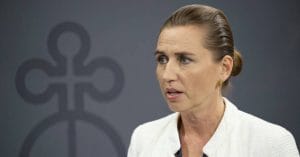
As election cycles intensify, so do the strategic declarations of potential alliances and government coalition preferences. While opposition leaders posture and prepare, Mette Frederiksen remains a dominant figure. With strong polling support and wide influence, she remains the favored candidate to remain prime minister after the 2026 election.
For now, Denmark’s political spotlight is fixed firmly on the looming local elections, which are shaping up to be a key test ahead of a pivotal national showdown.