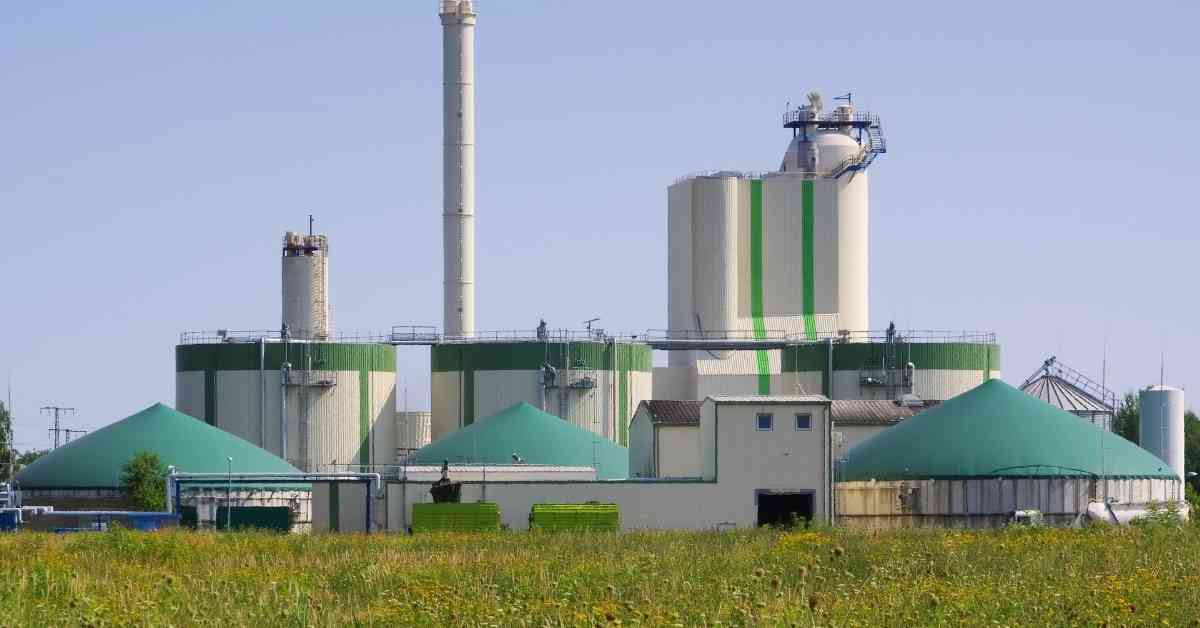
Denmark’s biogas industry has grown explosively to cover most of the country’s gas consumption, but new analysis warns that methane leaks and production methods mean the climate benefit is only 78 percent of what fossil gas replacement should deliver. Without rapid fixes, the 2030 climate target is at risk.
I have spent years watching Denmark position itself as Europe’s biogas champion. The numbers look impressive on paper. Around 150 plants now process manure and waste into green gas. Six new connection points will boost grid capacity by 28 percent over the next two years. The political goal is clear: 100 percent renewable gas coverage by 2030.
But a new policy brief from climate think tank Concito throws cold water on the celebration. According to their analysis, Danish biogas delivers a climate benefit equivalent to just 78 percent CO2 reduction compared to the fossil natural gas it replaces. That is nowhere near the carbon neutral performance politicians and industry groups have promised.
The Methane Problem Nobody Wants to Measure
The issue is methane leakage. Every percentage point of methane that escapes from biogas plants adds roughly 0.2 million tons of CO2 equivalent to Denmark’s climate account. Right now, nobody measures these leaks systematically. Without solid data, there is no way to verify whether plants meet the legal maximum of 1 percent leakage. Or whether they exceed it by a wide margin.
Concito argues that the current state support system, worth 2.4 billion kroner this year and rising to 3.6 billion by 2030, rewards production volume rather than actual climate impact. That creates perverse incentives. Plants get paid whether they leak methane or not. Whether they burn natural gas for process heat or not. Whether they use manure or energy crops or not.
The think tank calls this “grey green gas.” Technically renewable, but delivering far less climate benefit than advertised.
How to Double the Climate Benefit
Concito’s analysis shows Denmark could double the climate gain from existing biogas production through three concrete steps. First, mandatory measurement and reporting of methane leaks at all plants. Second, installing heat pumps to replace the natural gas many plants currently burn for process heat. Third, capturing and storing the CO2 that upgrading facilities already separate from raw biogas.
All three measures would deliver cheaper emissions reductions than building new biogas plants, according to Concito. Yet the government continues planning auctions for new production capacity that industry insiders privately admit will not attract bids at current support levels.
I find this deeply frustrating. Denmark has genuine renewable energy success stories. But biogas risks becoming a case study in how not to design climate policy. Throwing billions at production targets while ignoring actual emissions is political theater, not climate action.
The Infrastructure Is Ready, The Monitoring Is Not
The Ministry of Climate, Energy and Utilities approved 773 million kroner in January 2023 for six new backflow facilities and measurement stations. These will connect more biogas from local distribution networks into the main transmission system by 2025 and 2026. Energinet and grid operator Evida have done their homework. The pipes are ready.
What is missing is the measurement infrastructure to verify climate performance. Concito recommends frequent monitoring campaigns across the industry. Continuous measurements at plants using fixed sensors or drone technology. Mandatory logs of valve openings and methane detection after each event. Plants exceeding 1 percent leakage should pay for additional measurements themselves.
None of this is technically difficult. It just requires political will to look honestly at the numbers.
Why This Matters for Denmark’s 2030 Target
Denmark’s 2030 climate goal is already in danger according to the government’s own projections. Biogas was supposed to help close the gap. Instead, the sector may be contributing significantly more emissions than climate models assumed. Every ton of methane that leaks wipes out the benefit of replacing fossil gas elsewhere in the system.
The industry group Biogas Denmark projects that biogas could deliver up to 3.4 million tons of CO2 equivalent reductions by 2030. But that assumes best practices across the board. Manure and waste inputs only. No energy crops. Minimal leakage. Efficient operations. Reality often falls short.
I have watched this pattern before in Denmark. Wind power succeeded because the government set clear technical standards and enforced them. Solar struggled for years under confused support schemes. Biogas is heading down the solar path unless policymakers shift focus from production volume to verified climate impact.
The Cost of Willful Ignorance
Concito proposes a simple fix: apply Denmark’s general CO2 equivalent tax to methane leaks from biogas production. That would triple the financial incentive to prevent leaks compared to today. Measurement uncertainty can be handled the same way as speed cameras. Tax the minimum documented emission after accounting for measurement error.
Once plants pay for their actual emissions, unstutted biogas could be exempted from fuel taxes to avoid double payment. The economics would finally align with climate goals.
The alternative is continuing to pour billions into a system that delivers 78 percent of promised climate benefits while congratulating ourselves for being green energy pioneers. That is not leadership. That is expensive self deception.
Denmark built its renewable energy reputation on wind power that actually works. Biogas can follow that model. But only if we start measuring what matters and paying for performance rather than promises. The infrastructure investment is done. Now we need the political courage to look at what those shiny new biogas plants are actually delivering.
Sources and References
The Danish Dream: Shell biogas plant turns Danish village into stink hell
The Danish Dream: Gas heating in Denmark set to be phased out
The Danish Dream: Denmark’s new strategy for offshore wind energy
Concito: Grågrøn gas – Sådan sikrer vi maksimal klimagevinst af dansk biogas