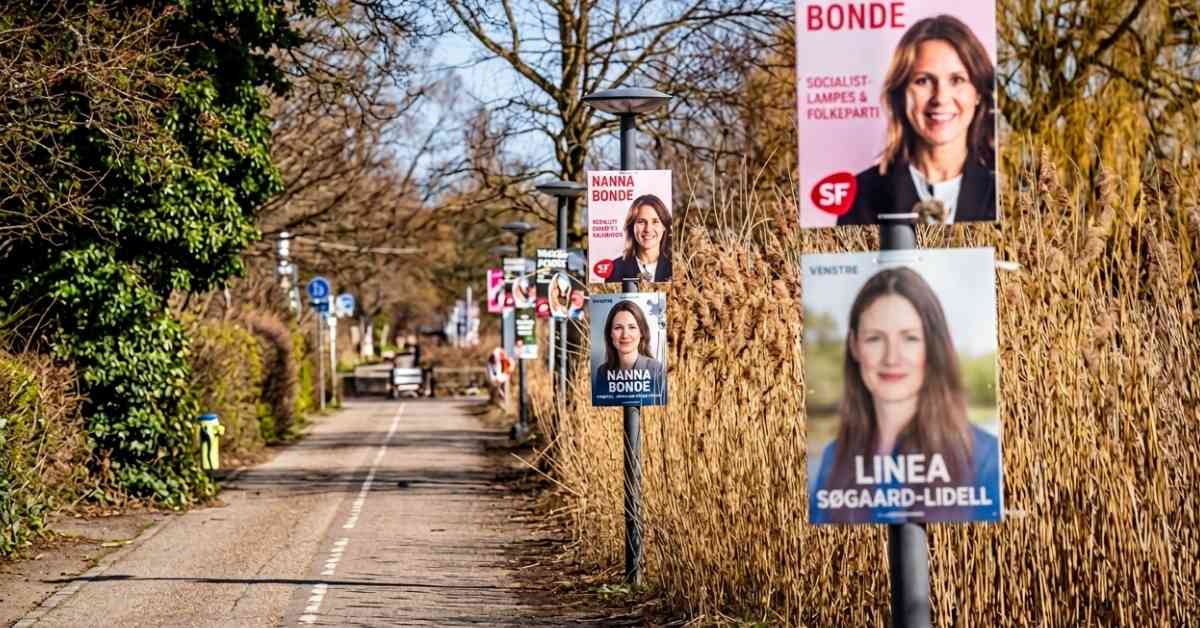
Most Danish voters want the current centrist government to continue, according to new polling, but the unusual coalition between Social Democrats, Liberals, and Moderates faces mounting pressure from both left and right to shift its political compass.
The numbers tell a clear story. According to DR, the majority of Danes prefer a midterregering when asked about their ideal government setup. That should be good news for Prime Minister Mette Frederiksen. But dig deeper and the picture gets messier.
This government was sworn in just days ago on May 15. It bridges parties that traditionally despise each other. Socialdemokratiet on the left, Venstre on the right, and Lars Løkke Rasmussen’s Moderaterne playing matchmaker in the middle. Together they command enough seats to govern, but only just.
The Coalition Nobody Expected
Denmark has not seen a midterregering like this in over 30 years. The last one collapsed under its own contradictions. This one emerged from desperation more than inspiration.
The election earlier this year was brutal for all three parties. Combined, they lost more than 350,000 voters since 2022. Socialdemokratiet dropped to just 14 mandates. Venstre suffered what analysts called a historic setback. Only Moderaterne gained ground, winning 13 seats at 7.6 percent.
Yet here they are. On May 6, Frederiksen stood at Marienborg Slotsgård and unveiled their platform. It promises tax cuts, streamlined public services, and the abolition of one public holiday. It also proposes a CO2 tax on agriculture, a policy that makes farmers nervous and Venstre’s rural base even more so.
Reform or Paralysis
The platform is called Ansvar for Danmark, or Responsibility for Denmark. It aims to keep Denmark as the best country in the world, as Frederiksen put it. That requires reforms, painful ones, to free up public resources and boost employment.
I have watched Danish governments promise efficiency before. The trick is doing it without gutting services that people actually use. This coalition must also navigate the ideological minefield between local politics and national ambition.
Critics are already circling. The left accuses the government of austerity dressed up as pragmatism. Enhedslisten and SF see blood in the water. The right, meanwhile, complains the coalition is not conservative enough. Berlingske argued that a new midterregering must be bluer to reflect the rightward shift voters made in the election.
The Venstre Problem
Troels Lund Poulsen leads Venstre into this coalition with a gun to his head. His party just got walloped. Now he sits in government with Social Democrats, the traditional enemy. Some in his party want a bluer midterregering or outright opposition.
Lund Poulsen himself floated two paths for Venstre recently. One involves staying in and pulling the coalition right. The other means walking away and regrouping. Neither sounds appealing when your base just rejected you.
What This Means for Expats
If you live here, this government will affect you directly. Tax cuts sound nice until they hit services expats rely on. Streamlining the public sector could mean longer wait times at Borgerservice or fewer resources for health and integration programs.
The CO2 tax on agriculture will likely raise food prices. Denmark is already expensive. A midterregering that prioritizes efficiency over equity may shift costs onto individuals, including those of us navigating the system in a second language.
Six Months to Prove It
Analysts expect a half year review around November. That is when we will see if this coalition can survive its own contradictions. Global crises like the Iran conflict may force unity. Or they may expose the cracks.
For now, voters say they want this government to work. But wanting something and getting it are different things. Denmark avoided the political chaos of the 1970s by forming this coalition. Whether it lasts depends on how much pain each party is willing to swallow. And how much patience voters have left.
Sources and References
The Danish Dream: Denmark’s local elections could reshape national politics
The Danish Dream: Powerful board seats shape Danish local politics
The Danish Dream: Denmark and Greenland health politics independence debate
DR: Flest vælgere vil have en midterregering igen