Denmark is ramping up it’s integration of military drones into its defense forces, drawing key lessons from Ukraine’s war with Russia. But while training soldiers is straightforward, the country faces a more complex challenge: transforming its defense bureaucracy to adapt to rapidly evolving drone warfare.
Drone Training Expands to Troops and Recruits
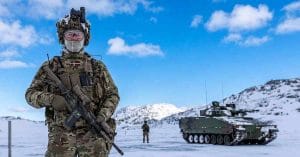
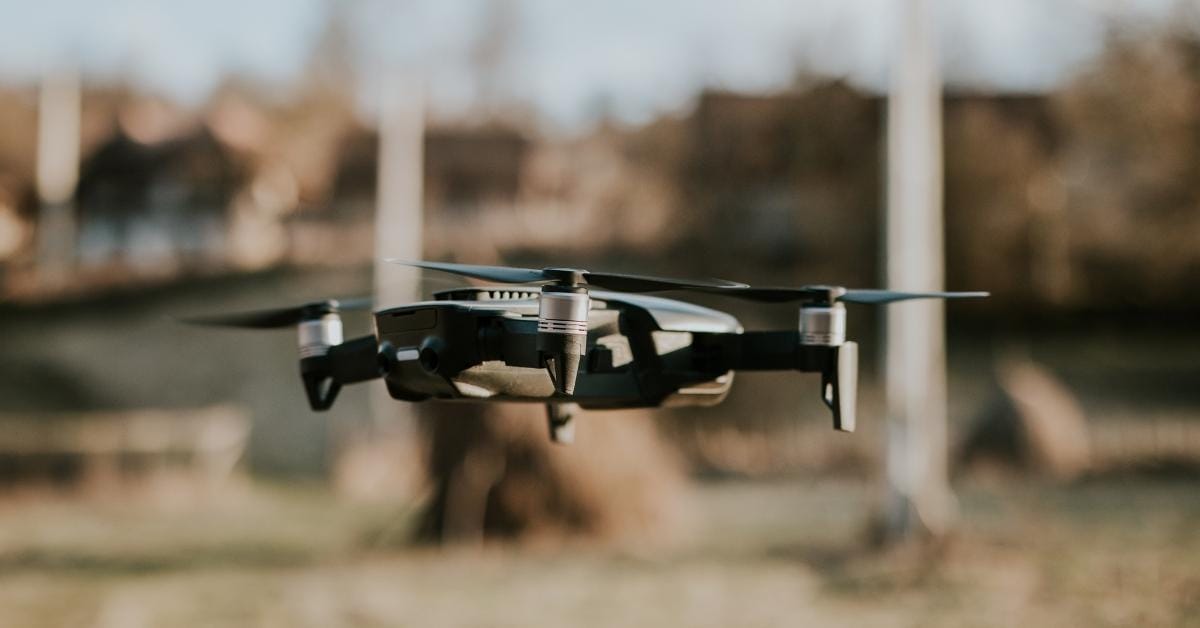
Danish soldiers stationed in Latvia have recently begun training with attack drones for the first time. These unmanned aerial systems are similar to those used extensively in Ukraine, where drones play a central role in both reconnaissance and offensive operations.
This advancement marks an important milestone. Starting in February, 36 new conscripts will begin an 11-month training program at the Haderslev barracks, focusing exclusively on drone operations. The program will cover both aerial surveillance drones and ground-based rolling drones, mirroring developments on Ukraine’s front lines, where such tools are increasingly vital.

For the Danish Ministry of Defense, located on Holmens Kanal in central Copenhagen, drones have long been recognized as the future of warfare. The difference now is that this technology is reaching the operational level – with soldiers on the ground beginning to use drones in real-world scenarios.
Learning from Russia’s Technological Leap
Russia’s extensive use of drones over the past four years has given it a considerable edge. Despite early mockery over its military missteps, Russia has significantly restructured its defense industry. Engineers and software developers now work side by side with manufacturers to mass-produce customized and low-cost drones.
As a result, Russia has caught up with, and in some ways surpassed, Ukraine’s drone capabilities. Some estimates suggest Russia is producing as many as 10,000 drones per month. NATO and Denmark remain behind in this race, and there is growing concern that without rapid action, they may fall further back.
The threat is not abstract. If geopolitical tensions in Eastern Europe escalate further, Danish and other NATO soldiers will likely encounter hostile drones before anything else – potentially even before direct contact with enemy troops.
NATO Air Superiority Is Not a Guarantee
Unlike Ukraine, NATO forces are expected to maintain air superiority, which could provide a decisive advantage by disrupting enemy logistics and supply lines. However, this alone will not neutralize the threat posed by drones.
The situation in Latvia, where Danish troops are deployed, is not identical to Ukraine. Still, the growing prevalence of drones means NATO forces must be equipped and trained to counter them effectively. That includes understanding the types of munitions they carry, how they coordinate with ground troops, and how to defend assets on the move.
The Bureaucratic Roadblock
While training tech-savvy soldiers to operate drones is relatively easy – many of them already adept at video game-style interfaces – a larger and slower challenge looms: the defense procurement bureaucracy.
In Ukraine, technological innovation on the battlefield happens weekly. A drone that performs well one week may be obsolete the next. For Denmark to compete in such an environment, its industry must be agile. Engineers and developers need direct feedback from the battlefield and the capacity to rapidly tweak software and hardware.

Yet, Denmark still relies on a lengthy paper-based approval process where new needs must be identified, reviewed, and examined through market research before solutions arrive – often long after they are relevant. Soldiers describing deficiencies or needed capabilities often face layers of red tape instead of rapid technical support.
For modern drone warfare to succeed, Denmark must rethink this pipeline. Industry partners should work hand-in-hand with the military, possibly even embedding developers with troops. Rather than contacting administrators or caseworkers, soldiers in the field should be able to consult directly with software engineers who can implement fixes in real time.
Urgent Need for a Cultural Shift
The Danish military’s move toward integrating drones is a promising step, particularly as it prepares not only professionals but also conscripts to operate them. However, the true test lies in how fast the system can respond and adapt.
With over 10,000 drones reportedly produced monthly by the Russian defense sector, NATO and Denmark must accelerate their own development cycles or risk being technologically outpaced. The next generation of warfare will hinge not just on tools, but on the speed at which those tools evolve.