Denmark’s once-dominant Social Democrats face their worst local election result ever, losing control in key strongholds and signaling deeper political troubles for the ruling party.
A setback unlike any in Danish political history
The Danish Social Democratic Party has suffered an unprecedented collapse in this year’s municipal elections. Whether the party ends with 26 or 28 mayors makes little difference. With a maximum of 30 mayoral posts across Denmark’s 98 municipalities, it is their weakest showing in modern history. This marks the lowest point of local power for a party long considered the political backbone of the country.
Data from the University of Southern Denmark confirms how steep the decline has been. The Social Democrats held 44 mayoral offices in 2021 but have now lost nearly half.

A nationwide setback beyond Copenhagen
Political analyst and former party adviser Steffen Sune Hansen points to national issues as the main reason. According to him, this was not about 98 individual local stories but rather a collective shift triggered by what was happening at Christiansborg, Denmark’s political center. Even though Mette Frederiksen’s government still leads nationally, local voters turned away across the country.
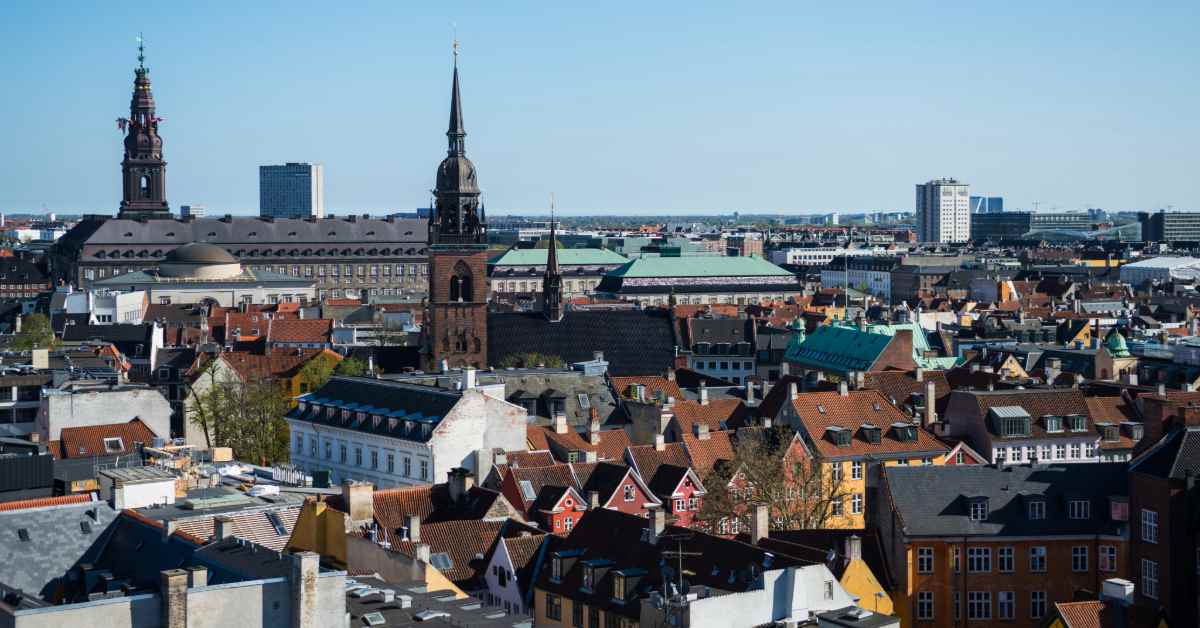
Before the vote, all eyes were on whether the party could cling to Copenhagen’s mayoral office, a seat held by Social Democrats for decades. They did not. The loss, alongside defeats in key municipalities like Frederikshavn, Næstved, and Køge, exposed a deeper erosion of support—both in major cities and rural provinces.
This vote cannot be spun as a mixed outcome. It is a major blow with historic consequences, underlining that confidence in the leadership and message has faltered.
Leadership and responsibility
Prime Minister Mette Frederiksen accepted responsibility on election night, acknowledging the widespread disappointment among party supporters. Observers view her remarks as an early sign that internal discussions about the party’s direction will soon intensify.
One key factor is still resonating among voters: the controversial decision in 2023 to abolish the Great Prayer Day, one of Denmark’s traditional public holidays. The move, passed by the SVM coalition, alienated parts of the party’s traditional base. At the same time, scandals around deleted text messages during the mink culling crisis have continued to damage Frederiksen’s credibility.

Changing demographics and deeper wounds
In the capital, analysts believe demographic changes make the fight for recovery even harder. Copenhagen’s growing population of younger and higher-educated voters leans toward more liberal and global outlooks, a profile that has drifted away from the traditional labor-oriented values that built the Social Democrats.
The psychological impact of losing Copenhagen’s mayoral seat is especially severe. The city has been governed by Social Democrats for nearly a century. Losing that anchor—a city built by workers and once seen as their stronghold—marks a profound symbolic shift in Denmark’s political landscape.
Searching for a way forward
At the parliamentary group’s first meeting after the election, party leadership made it clear they would review what went wrong and find ways to rebuild. According to Deputy Chair Mogens Jensen, the party must now focus on lessons learned so that it can improve before the next general election. The evaluation will examine both internal organization and broader voter trends.
Still, the road back looks difficult. The Social Democrats face competition not only from left-wing allies but also from centrist and liberal parties appealing to urban voters. Meanwhile, in smaller municipalities, local candidates have gained traction by focusing on community identity rather than party loyalty.

Outlook for Danish politics
The election marks another turning point in Danish local governance and raises deeper questions about what kind of party the Social Democrats want to be. Denmark’s welfare model remains strong, but political divisions over reform, modernization, and global outlooks are sharpening. As experts note, rebuilding trust among both working-class and progressive urban voters may determine whether the Social Democrats can recover or remain diminished for years to come.
Sources and References
The Danish Dream: Is Denmark Socialist? Danish Socialism Explained by Social Scientist
The Danish Dream: Best Lawyer in Denmark for Foreigners
TV2: Pilen peger én retning for Socialdemokratiet, siger tidligere rådgiver