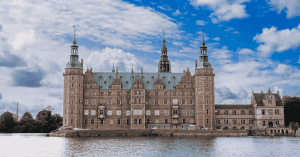
Many well-known local politicians are stepping down ahead of Denmark’s municipal elections, giving new candidates a chance to shape local power and policy. Experts warn it could bring both fresh energy and uncertainty to the post-election talks.
New Faces Change Local Power Dynamics
Across Denmark, the upcoming municipal elections are expected to reshape local councils in a major way. Several longtime political heavyweights have chosen not to run again, which opens the door for a wave of newcomers. In some towns, more than half the council seats could end up in new hands, setting the stage for intense negotiations after votes are counted.
Those talks may be even more unpredictable than in past elections, according to political observers.
Fresh Candidates Bring Uncertainty
In Odder Municipality, Social Socialist Party candidate Theis Rubinke Sørensen is preparing for the long night of bargaining that follows the vote count. After more than a decade away from local politics, he is back and leading his party’s list for the first time.
Because of so many first-time candidates, Sørensen and others are still getting to know their potential allies and rivals. Many have spent the last several weeks meeting in debates, local forums, and informal talks, trying to find out where they might agree on future policies.

Building Relations Before Election Night
Without a doubt, early preparation matters. Experienced observers say it is wise for newcomers to start conversations before election night rather than wait until the official negotiations. Those first discussions can help smooth out what might otherwise be a tense process once power and positions are up for grabs.
In municipalities expecting major turnover, some candidates have already met privately to discuss shared goals and possible coalition scenarios. These early connections help reduce confusion when formal negotiation rounds begin, often late into the night.
Because the next few days could decide who runs local governments, many new candidates are being cautious about public statements. They are focusing on listening more than speaking, and on understanding what others in their community care about. For instance, local issues such as school closures and green energy projects could easily end up as bargaining chips during the post-election deals.
Behind Closed Doors
When the polls close and results are announced, local leaders will gather behind closed doors to divide key positions like mayor, deputy mayor, and committee chairs. Policies may also be discussed as part of those political trades.
If a candidate campaigned to save a local school slated for closure, that issue might become a condition in the talks. As a result, local voters could soon see big decisions made in private rooms rather than town halls.
While this practice may seem opaque, it is a normal part of Danish municipal negotiation culture, where compromise is necessary to achieve a working majority.

Experienced Leaders Step Aside
Meanwhile, the absence of veteran politicians means fewer familiar faces to guide the newcomers through the process. Some municipalities have lost their most vote-attracting candidates, changing the balance of experience and influence in city councils across the country.
On the other hand, that turnover offers space for innovation and new political alliances. For political scientists, this change represents a rare moment when smaller parties and independents might gain greater influence than usual.
Even though Denmark’s local elections traditionally focus on practical issues—schools, housing, environment—this year’s wave of new council members could alter not only those priorities but also how politics are done at the local level.
Voters Still Deciding
Interestingly, voter uncertainty remains high. According to national reports, nearly half of eligible voters still have not decided whom to support. You can read more about this at Danish local elections.
Polling stations will be open from 8 a.m. to 8 p.m., and the final results are expected late in the evening or overnight.

As the countdown begins, both newcomers and seasoned players are preparing for a tense and unpredictable night. The mix of fresh ambition and limited experience could reshape local politics for years to come. What happens once the last vote is counted will determine not just who leads Denmark’s towns and cities, but how those leaders work together to deliver on their promises.
Sources and References
The Danish Dream: Danish local elections see half of voters still undecided
DR: Nye kandidater i byrådet kan give overraskelser, når politikerne forhandler om poster og politik