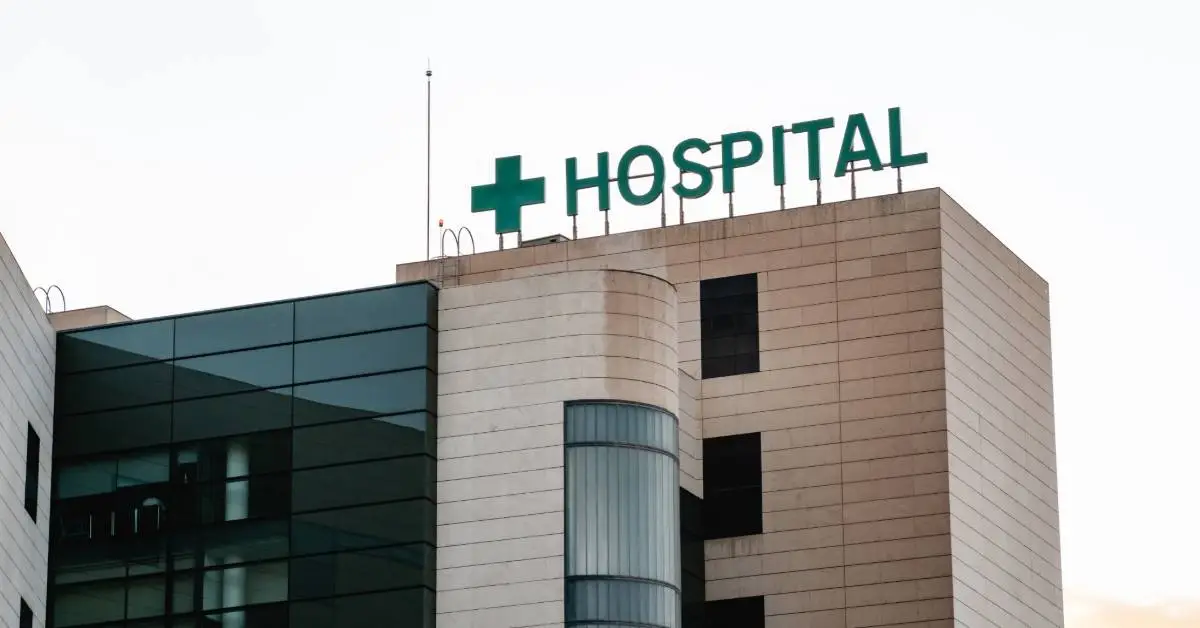
Danish unions have filed formal complaints to the Patient Safety Authority over safety risks at a new hospital, citing understaffing and stress-related errors. Experts say they’ve never seen anything like it.
The complaints from FOA and Fag og Arbejde mark an unprecedented escalation in Denmark’s healthcare crisis. These unions represent thousands of healthcare workers who say conditions at the facility have deteriorated to the point where patient lives are at risk. When experts tell DR they’ve never seen unions take this step before, it tells you something has broken down fundamentally.
I’ve watched Denmark’s healthcare system struggle for years now. This is different. Unions don’t file formal patient safety complaints lightly. They’re effectively saying that hospital leadership has failed to address conditions so dangerous that regulatory intervention is necessary.
What the Complaints Say
The core issues are understaffing and excessive workplace stress. According to the unions, these conditions are creating an environment where serious errors become inevitable. Staff members report they cannot provide safe care under current conditions. Hospital leadership typically frames these as temporary growing pains at new facilities. But the unions aren’t buying it anymore.
The timing matters here. Denmark implemented unified reporting requirements for adverse events across the entire healthcare sector from July 1, 2023. Healthcare workers must now report any incident that caused or could have caused serious or fatal consequences. This standardization means incidents that might have been handled internally before now go straight to the Patient Safety Authority.
The Numbers Behind the Crisis
Research shows that between 1,000 and 5,000 Danes die annually from preventable medical errors. Erik Rasmussen has documented this for years. Stress is the primary driver of these incidents, particularly stress stemming from poor cooperation and communication between staff members.
The most common serious errors include medication mistakes, misdiagnoses, and hygiene failures. Vulnerable patients with multiple conditions face the highest risk. These problems intensify at transition points when patients move between different parts of the healthcare system.
What strikes me is how predictable this has become. When you understaffed a hospital and push people beyond reasonable limits, errors follow. Everyone knows this. The unions know it. The doctors know it. And yet here we are.
Why This Time Is Different
The Danish Medical Association and patient safety organizations have long warned about these risks. But formal complaints to the regulatory authority from multiple unions simultaneously represents a new threshold. The Patient Safety Authority now has the power to conduct formal investigations. They can mandate changes. They can go public with findings.
Hospital management may argue they need time to work out operational issues. Fair enough. But when your own staff files regulatory complaints, you’ve run out of time. The healthcare system cannot function when frontline workers have lost faith in leadership.
Reforms That May Come Too Late
Ironically, the Patient Safety Authority is rolling out 14 recommendations to improve oversight and communication in 2025 and 2026. Eleven initiatives launch this year. Three follow next year. These reforms aim to make supervision more focused on learning rather than punishment. They want healthcare workers to report problems without fear of career consequences.
That’s a worthy goal. But it doesn’t help workers dealing with unsafe conditions right now. The reforms address how the authority handles reports. They don’t fix the underlying staffing crisis that generates those reports in the first place.
What This Means for Patients
For anyone using Danish healthcare, this should concern you. A hospital where unions feel compelled to file formal safety complaints is a hospital under severe strain. That strain affects the care you receive. It affects wait times, error rates, and outcomes.
Denmark likes to think of itself as having a world class healthcare system. In many ways it does. But world class systems don’t inspire this level of alarm from their own workforce. The people actually providing care are telling us something is badly wrong. We should listen.
The Patient Safety Authority must now decide how to respond. Will they conduct full inspections? Will they mandate staffing changes? The unions have forced their hand. Whatever happens next will set precedents for how Denmark handles healthcare safety conflicts going forward. This case matters far beyond one hospital.
Sources and References
DR: Ekspert har aldrig set noget lignende: Fagforeninger klager over patientsikkerheden på helt nyt hospital
The Danish Dream: Denmark’s healthcare fails man, reforms launched
The Danish Dream: Sundhed.dk gives access to better healthcare in Denmark
The Danish Dream: Rigshospitalet offers