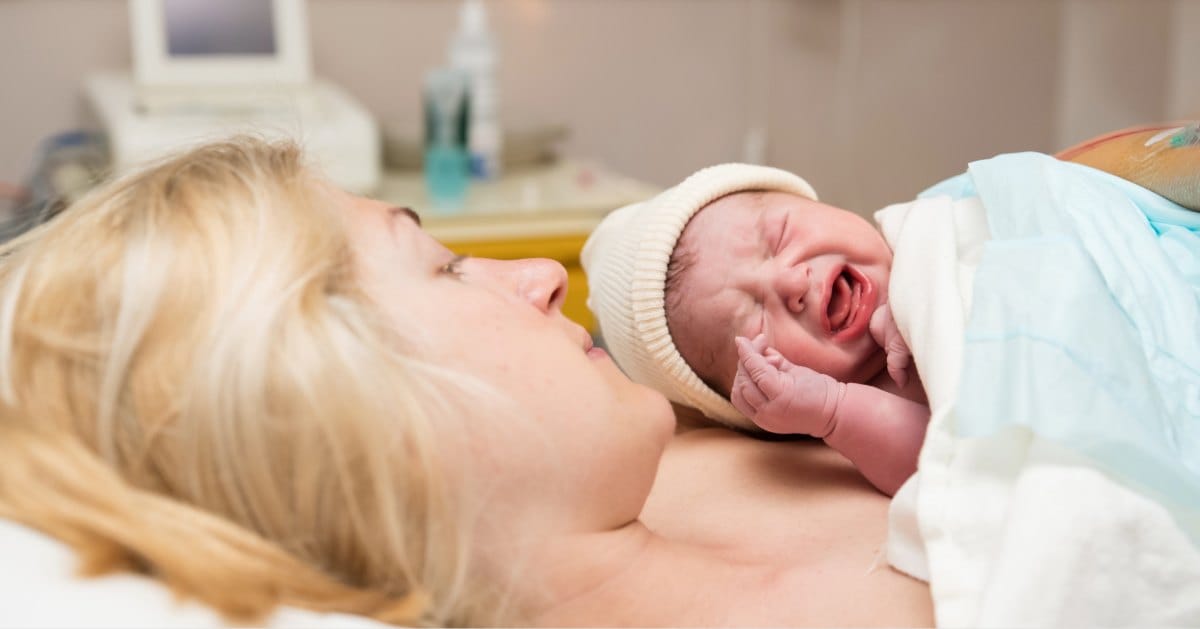
A maternity ward in Northern Jutland has ditched disposable diapers and wet wipes in favor of reusable cloth options to slash its climate footprint. But experts warn the environmental gain depends entirely on how those cloth diapers are washed.
The maternity ward at Regionshospital Nordjylland in Hjørring has made a quiet but significant shift. Newborns now wear cloth diapers instead of disposables. Wet wipes have been replaced with washcloths. Even the plastic gowns partners wore during cesarean sections have been swapped for washable cotton garments.
Midwife Anette Juel Storgaard told DR the decision came from a simple realization. “We thought it was a shame to throw away so much waste when we could find an alternative,” she said.
250 Kilos Less Waste Per Year
The changes are adding up. The ward has cut its waste by at least 250 kilograms annually through reductions in disposable cloths, vomit bags, plastic gowns, and single use instruments. Disposable cleaning cloths have been replaced with microfiber cloths that midwives dampen themselves with soap or alcohol.
Jannie Jakobsen, the hospital’s climate project leader, sees potential for broader impact. “If every department can minimize by 200 kilos or more per year, then we can really make a difference,” she said.

Danish Regions has set a goal to halve hospital CO₂ emissions by 2035. Majbritt Birkholm, chair of the Committee on Environment, Mobility and Youth Education, wants the Hjørring model replicated. “The good ideas should be shared so we can create an effect across all of Denmark,” she told DR.
But Is Cloth Actually Greener?
I have lived in Denmark long enough to know that good intentions do not always survive contact with Nordic practicality. And the science on cloth versus disposable diapers is messier than you might think.
A British government study cited by Politiken concluded that cloth diapers can burden the environment just as much as disposables when you factor in washing, energy, water, and disposal. The environmental gain only materializes if cloth diapers are washed efficiently, air dried, and reused across multiple children.
Danish advocacy sites for cloth diapers paint a clearer picture. They highlight that disposables are fundamentally plastic and paper products based on petrochemical materials. Cloth alternatives reduce waste and eliminate superabsorbent polymers, perfumes, and lotions. But these sources often skip over energy consumption and logistics.
The Devil Is in the Wash Cycle
An older life cycle analysis from P2 InfoHouse supports the cloth argument. It found disposables generate significantly more solid waste, use more energy and raw materials, and produce more potentially toxic pollutants per diaper change. But that study’s conclusions depend heavily on assumptions about energy sources and washing methods.

If cloth diapers are washed at high temperatures, tumble dried frequently, and replaced often, the environmental advantage shrinks or vanishes entirely. For hospitals like the one in Hjørring, the real climate benefit depends on central laundry facilities, full washing loads, and energy efficient systems.
Hygiene and Logistics Matter Too
Maternity wards operate under strict hygiene and infection control protocols. Any shift away from disposables must fit within those frameworks. That means clear procedures for handling used cloth diapers, storage, washing responsibility, and contingency plans for complications or high infection risk situations.
The Hjørring ward has not published figures on how much waste it saves specifically from switching to cloth diapers. That omission is telling. It suggests the environmental case is still being built, not already proven.

Expats and Danes alike should ask whether this is genuine climate action or performative sustainability. The answer lies in the details of how those cloth diapers are laundered and whether the system scales without compromising care quality.
A Broader Trend in Danish Healthcare
This initiative fits within a larger movement to reduce the environmental footprint of Denmark’s healthcare system. Hospitals are significant waste producers, and single use plastics are a natural target for reduction. Climate adaptation and mitigation strategies increasingly include the health sector, not just as a recipient of climate impacts but as an active participant in emissions reduction.
A recent international review in Public Health Reviews emphasized that climate initiatives in health systems can be integrated with maternal and child health improvements. Reducing environmentally harmful products, chemicals, and waste in perinatal care can have both direct and indirect health and environmental effects.

But integration requires resources, planning, and honest evaluation. If Danish healthcare is serious about cutting emissions, it needs to measure results and adjust course when necessary. That includes acknowledging when cloth solutions work and when they do not.

The Hjørring maternity ward deserves credit for trying. But the real test will come when other hospitals follow suit and the data on energy, water, waste, and cost becomes available. Until then, this remains a promising experiment rather than a proven climate win.
Sources and References
DR: Fødegang dropper engangsbleer og vådservietter for klimaets skyld
The Danish Dream: Denmark’s waste crisis 746 kg per person and dumping fines
The Danish Dream: Danish hospitals see big drop in surgery waiting times
The Danish Dream: Denmark’s healthcare fails man reforms launched