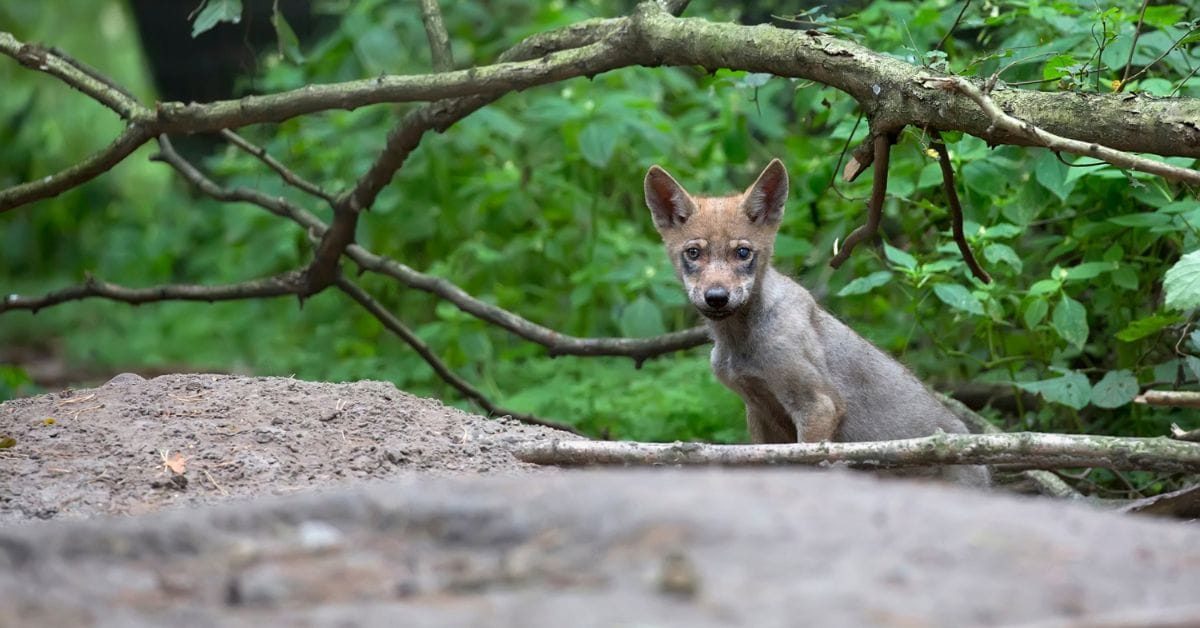
A Danish farmer was chased by six wolves from a forest path onto his farmyard near Silkeborg on the night of April 20, shocking local residents and authorities. The incident marks one of the most direct wolf encounters in Denmark since the species returned in 2012, raising fresh questions about rural safety as the country’s wolf population expands. No one was hurt, but the event has reignited debate over how Denmark manages its growing predator numbers.
I’ve lived in Denmark long enough to know that wolves were supposed to be a distant memory here, something from fairy tales and old logging camps. But they’re back, and on Sunday night, they followed a man all the way to his front door. As reported by TV2, six wolves pursued him across open ground near Silkeborg in Jutland, stopping just meters from his farmhouse as his wife watched from inside. The wolves left paw prints and vanished when the lights came on.
No one disputes the facts. Six wolves, confirmed by tracks and local sightings. No aggression, no attack, just a deeply unsettling chase that ended at a doorstep. The couple told authorities they thought they were dreaming.
Population Growth and Proximity
Denmark now has between 20 and 25 wolves, concentrated in three confirmed packs across Jutland. That’s more than double the count from 2023. Rising numbers reflect successful recolonization from Germany and Poland, protected under EU law since wolves returned after a 200-year absence.
But success for conservationists means tension for farmers. Wolves have killed 147 sheep in 2025 alone, 60 percent of them in Jutland. Compensation claims hit 2.5 million kroner last year. The Silkeborg area has logged 12 verified kills so far this year, and now this.
Wildlife biologist Professor C. Stern from Aarhus University told media that wolves normally avoid humans, but territorial behavior can explain unusual proximity. He called it unprecedented but not aggressive. That may be technically accurate, but it won’t calm nerves out here. I’ve talked to enough rural Danes to know that statistics about zero human injuries since 2012 don’t mean much when a pack is shadowing you home.
Policy and the Debate Ahead
Denmark follows strict EU rules that prohibit wolf culls except under derogation for serious threats. The last cull was a single wolf in 2024 after repeated livestock attacks. The current threshold requires more than ten kills per pack before authorities consider lethal action. Management plans prioritize non-lethal deterrence: electric fences, guardian dogs, subsidies.
The government offers to cover 80 percent of fencing costs, up to 50,000 kroner per farm. But only 40 percent of eligible farms have enrolled, stalled by paperwork and skepticism. Meanwhile, Jutland farmers report a 30 percent rise in livestock guarding costs since 2024. That’s money and labor many can’t spare.
Miljøminister Magnus Heunicke from Socialdemokratiet has defended the monitoring-first approach, emphasizing prevention over hunting. But opposition party Venstre and the Danish Agricultural Council are pushing for regulated quotas, pointing to Sweden’s example. Sweden culls 300 wolves annually from a population more than ten times Denmark’s size. Here, even mentioning quotas draws fierce pushback from conservation groups.
Folketinget is scheduled to debate expanded derogations on May 5. I expect it to be loud.
What This Means for Rural Life
For expats living outside Copenhagen, especially those drawn to Denmark’s countryside for space and quiet, this is a reminder that rural life here is changing. Wolf pups are increasing, and their parents are venturing closer to homes, barns, and grazing land.
Some farmers now organize night watches. Others have reduced open grazing, impacting dairy operations. The psychological toll is real. This isn’t just about livestock. It’s about feeling safe on your own property after dark.
Naturstyrelsen deployed GPS collars on wolves near the Silkeborg farmyard after the incident. That’s useful data for scientists. Less useful for the couple who had to sprint inside while six sets of eyes watched from the shadows.
Europe’s Broader Picture
Denmark’s experience mirrors incidents across northern Europe. Sweden logged four similar pursuits in 2025. Germany reported seven farmyard entries. Europe’s wolf population exceeds 20,000 now, with Denmark holding less than 0.2 percent of that total. The EU proposed downlisting wolves from strictly protected status in 2025, easing management rules for 23 member states.
But Denmark remains cautious. Zero fatal wolf attacks in Europe since 2000 is the statistic conservationists lean on. Farmers counter with rising costs and sleepless nights. Both are true.
I don’t have an easy answer. Wolves belonged here once, and there’s something powerful about their return. But belonging cuts both ways. Rural Danes belong here too, and they shouldn’t have to barricade themselves at dusk. The challenge is finding room for both, and right now, that room feels very narrow.
Sources and References
TV2: Ægtepar chokeret: Mand forfulgt af seks ulve helt hjem på gårdspladsen
The Danish Dream: Rising wolf numbers spark public concern across Denmark
The Danish Dream: Denmark unveils new wolf management plan
The Danish Dream: Peak of wolf pups in Denmark signal population surge