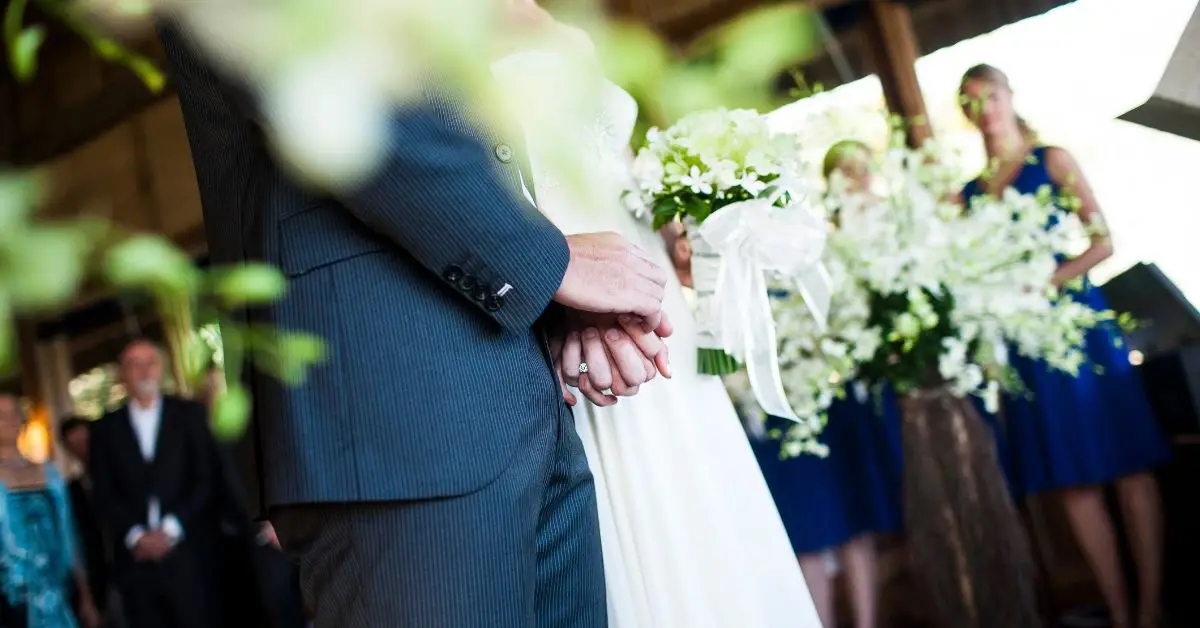
A recent survey conducted by Lavendla indicates a significant rise in civil marriages in Denmark, with nearly two-thirds of couples opting for this form over traditional church ceremonies. The findings reflect a broader trend shaping Danish marriage customs.
Rise of Civil Marriages in Denmark
According to a new analysis by Lavendla, civil marriages have seen a notable increase over the past two decades, now accounting for approximately 64.1% of all weddings in Denmark, up from 53.4% in 2007. Meanwhile, traditional church weddings have decreased significantly, dropping from 41% to just 29% of total marriages.
The summer season is traditionally the peak time for weddings in Denmark, and this year it reflects a broader transformation in marriage traditions. More couples are choosing civil ceremonies over religious ones, signaling a substantial shift in cultural practices regarding marriage in the nation. This report by Lavendla, which examined the trends in Danish marriages from 2007 to 2024, illustrates how societal values are evolving.
Geographical Disparities in Marriage Preferences
The survey also highlights striking geographical variations in how couples choose to marry across Denmark’s municipalities. There is nearly a 25 percentage point difference in the proportion of civil weddings among various communities—from about 52% of residents in Lolland Municipality to a staggering 77% in Vallensbæk Municipality.
Henriette Rendbæk, the founder of Lavendla in Denmark, emphasizes that these geographical differences may be attributed to local demographics and cultural attitudes. “I believe that these differences largely reflect local population composition. Many areas with the highest rates of civil weddings tend to have lower ties to the national church and a younger demographic or a higher proportion of residents with alternative religious affiliations,” she explains.
In larger cities, the emphasis appears to be more on personalized and informal ceremonies compared to more traditional rural areas, where conventional values may hold stronger sway. This shift towards civil ceremonies aligns well with modern values, allowing couples the flexibility to craft weddings that truly reflect their personal desires and principles.
The Shift in Cultural Mindset
Rendbæk reassures that the observed increase in civil marriages cannot merely be attributed to secularization. Instead, practical and economic considerations are playing an increasingly significant role in couples’ decisions about matrimony. As the structures surrounding marriage ceremonies evolve, couples now have the opportunity to host more intimate, personalized ceremonies outside the conventional religious framework.
This decline in church weddings raises critical questions regarding the traditional role of the Church of Denmark in major life events for its citizens. “I believe very few in Denmark view marriage as a purely religious institution. Most couples wish to express and commemorate their love for each other and their community, regardless of whether they choose a religious or civil ceremony,” Rendbæk asserts.
This dynamic challenges the church’s position as a central figure during significant life transitions, calling for inventive approaches if it aims to maintain relevance in Danish society. Otherwise, there is a genuine risk that the Church might lose its influence as a unifying force within the community.
Evolving Significance and Cultural Perspectives Around Marriage
The findings from Lavendla don’t just shine a light on the marriage ceremony itself but also indicate a broader sociocultural change regarding the institution of marriage. Over the past 35 years, while Denmark’s population has grown by over 800,000 individuals since 1989, the annual number of marriages has stagnated.
Rendbæk suggests that a transformative shift in life perspectives is the primary reason for this phenomenon. “Moreover, it seems that marriage—and the promises that accompany it—are losing some of their significance due to the rising divorce rates. The notion of marriage has transitioned from being a social expectation to a personal decision that fewer individuals feel compelled to undertake,” she notes.
As societal norms evolve, it raises important questions about what this trend means for the cohesion of Danish society. When traditional rituals, such as church weddings, lose their normative status, there is potential for the erosion of shared cultural reference points.
“If the rituals that traditionally bind us, such as church weddings, start to vanish from our culture, we might find ourselves facing a sense of emptiness. The real question is whether new, more diverse traditions will emerge to replace the old ones,” Rendbæk states.
The comprehensive data and trends outlined in Lavendla’s report highlight a significant transformation in Danish marriage customs. Couples are increasingly favoring civil ceremonies as they seek to create unique celebrations that resonate with their identities and values. This shift reflects broader societal changes and raises pertinent questions regarding the future of traditional institutions, such as the Church of Denmark, in fostering communal bonds.
As Denmark navigates these cultural shifts, the evolving landscape of marriage will undoubtedly shape not only personal relationships but also the collective societal fabric that binds the nation together. The challenge remains for traditional institutions to adapt and respond to these changing dynamics, ensuring they remain relevant in a world where individual expression and personalized ceremonies increasingly take center stage.