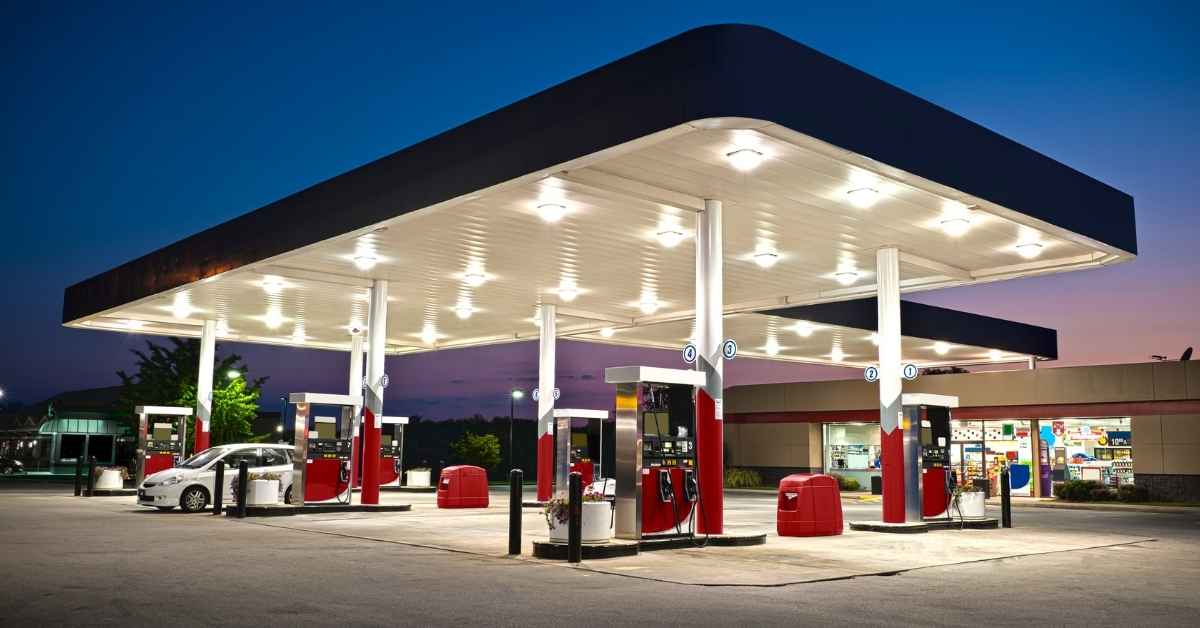
Diesel prices in Denmark have surged to record levels following US and Israeli military strikes on Iran, with costs jumping 23 percent in just one month. The spike is hitting trucking companies hard, forcing them to pass costs down the supply chain and threatening higher prices on everyday goods.
War Pushes Fuel Costs to Historic Highs
The recent escalation in the Middle East has sent shockwaves through Denmark’s fuel market. Diesel prices reached DKK 17.46 per liter as of March 9, 2026, marking one of the highest points in recent history. The spike followed coordinated US and Israeli strikes on Iran over the March 7 to 8 weekend.
Iran Conflict Drives Oil Markets
Iran plays a critical role in global oil supply, producing roughly 3.5 million barrels daily and controlling the Strait of Hormuz. This narrow waterway handles about 20 percent of the world’s oil shipments. Any disruption in the region sends immediate ripples through energy markets worldwide.
Crude oil prices jumped 13 percent per barrel in the days following the strikes. Diesel has been hit particularly hard, with prices climbing 20 percent over recent weeks. Europe relies heavily on imported diesel, making it especially vulnerable to Middle Eastern supply shocks.
Prices Climb Far Above Global Average
Danish diesel now costs 169 percent of the global average. The current price represents a 23.3 percent increase from one month earlier and a 25.4 percent jump from three months ago. Compared to a year ago, prices are up 24.5 percent.
A 40 liter tank now costs the equivalent of 1.58 percent of average Danish income. The last comparable spike occurred in June 2022, when diesel peaked at DKK 17.47 per liter amid the Ukraine conflict. Current prices have essentially matched that record and show no signs of immediate relief.
Trucking Industry Bears the Brunt
For companies that depend on moving goods across Denmark and Europe, the price surge creates immediate financial pressure. Transport firms operate on tight margins, and fuel represents one of their largest variable costs. The current crisis threatens to reshape logistics economics across the country.
Small Fluctuations Offer No Real Relief
Wholesale diesel prices have shown minor daily variations, dropping from DKK 14.31 per liter on March 10 to DKK 13.67 on March 12. However, these small decreases do not translate into meaningful relief at the pump. Consumer prices lag behind wholesale changes due to fixed taxes, distribution margins, and supply chain adjustments.
The gap between wholesale and retail pricing reflects Denmark’s high fuel tax structure. Government taxes remain constant regardless of market conditions, which means percentage increases in base prices get amplified for end users. This system stabilizes revenue for public coffers but magnifies shock impacts during crisis periods.
Costs Pass Through Supply Chains
Transport companies face a stark choice between absorbing costs or passing them to customers. Most choose the latter option simply to survive. Trucking firms adjust their rates monthly to track fuel price movements, but recent volatility makes it nearly impossible to keep pace.
When transportation costs rise, those increases ripple through every sector that moves physical goods. Supermarkets, manufacturers, and construction companies all face higher logistics bills. Eventually, consumers see these costs reflected in the prices of food, household goods, and services. The connection between Middle Eastern geopolitics and Danish grocery bills has never been more direct.
Europe’s Diesel Dependency Problem
The current crisis exposes a structural weakness in European energy security. Unlike gasoline, which can be sourced from various refineries worldwide, diesel supply chains are more concentrated and fragile. Europe imports more than 90 percent of its diesel, leaving the continent vulnerable to exactly this type of disruption.
Refining Capacity Creates Bottlenecks
The loss of Middle Eastern diesel exports hits harder than crude oil shortages. Refining capacity cannot quickly adjust to compensate for lost supplies from one region. Europe lacks sufficient domestic refining infrastructure to replace imports on short notice.
This dependence means price shocks arrive faster and cut deeper than in more self sufficient markets. Denmark and other European nations have few options beyond riding out the storm or implementing emergency measures. No government announcements regarding fuel reserves or intervention policies have emerged since the strikes.
No Clear Timeline for Relief
Market observers expect volatility to continue as long as tensions remain high in the Middle East. Historical patterns suggest prices could stay elevated for months. The 2022 spike following Russia’s invasion of Ukraine persisted throughout that year before gradually moderating.
Denmark’s position as a small, open economy with high existing fuel taxes amplifies these effects. The country has little leverage to influence global trade dynamics or energy markets. Danish consumers and businesses must simply adapt to whatever prices international events produce.
Long Term Context and Comparisons
Tracking diesel prices over time reveals both cyclical patterns and growing volatility. Data going back to 1972 shows prices adjusted for inflation, providing perspective on today’s levels. The current spike ranks among the most severe on record when measured by speed and magnitude.
Recent History Shows Growing Instability
Between 2016 and 2026, Danish diesel averaged DKK 11.60 per liter. Prices bottomed out at DKK 8.27 during the pandemic in 2020, when demand collapsed globally. The June 2022 peak of DKK 17.47 set the previous record, which current prices now match.
The frequency of extreme price swings appears to be increasing. Geopolitical events, from Middle Eastern conflicts to major power confrontations, now trigger immediate fuel market reactions. Climate related disruptions and supply chain fragility add additional layers of uncertainty.
Economic Pressure Builds Across Sectors
Diesel price increases correlate strongly with crude oil movements, with a 0.64 correlation coefficient. A 10 percent increase in crude typically translates to roughly a 5.32 percent pump price increase in Denmark. The multiplier effect from taxes and margins means Danish prices move more dramatically than in many other countries.
At current levels, diesel represents 96.83 percent of gasoline price parity and consumes 0.96 percent of average income. These figures matter for household budgets and business planning alike. Transport intensive sectors feel immediate pain, while broader economic effects build more gradually through inflation.
A Personal Take
I find myself torn on this situation. On one hand, the immediate pain for trucking companies and consumers is real and unavoidable. These businesses face costs they cannot control, threatening jobs and economic stability. The speed of the increase leaves little time to adjust operations or find alternatives.
On the other hand, this crisis highlights the urgent need to reduce fossil fuel dependency. Europe’s vulnerability stems from decades of underinvestment in energy independence and green alternatives. Perhaps shocks like this, however painful, will finally accelerate the transition away from diesel and toward more sustainable transport solutions. The question is whether we address the root cause or simply wait for the next crisis.
Looking Ahead
The diesel price situation remains fluid as geopolitical tensions continue. No major developments have occurred since March 12, but daily price monitoring shows ongoing fluctuations. Businesses and consumers should expect elevated costs for the foreseeable future.
Market Watchers Eye Middle East Developments
Any further escalation involving Iran could push prices even higher. Conversely, diplomatic progress or market adaptation could begin easing pressure. The challenge lies in the unpredictability of both military and market factors.
Denmark’s fuel market will continue reflecting these global forces. The country’s heavy reliance on imports and high tax structure mean Danes pay premium prices during crisis periods. Transport companies must balance survival against competitive pressure in their pricing strategies.
Broader Economic Implications Unfold
Inflation data from February 2026 showed overall Danish consumer prices up just 0.7 percent year over year. That figure predates the recent oil shock and will likely rise in coming months as fuel costs work through the economy. Food prices, shipping costs, and various services all face upward pressure from transport expenses.
The full economic impact will become clearer in the weeks ahead. For now, trucking firms and their customers face an uncertain environment where planning becomes nearly impossible. The Danish economy, like much of Europe, must navigate this energy shock while managing broader concerns about supply chain resilience and energy security.
Sources and References
The Danish Dream: Danish Businesses Alarmed by Growing Trade War Risk
The Danish Dream: Fuel Prices in Denmark Explode What You’ll Pay Now
The Danish Dream: Danish Transport Giant Accused of Poisoning Farmland
The Danish Dream: Best Energy Providers in Denmark for Foreigners
DR: Krig har gjort brændstof dyrt Jesper tanker sine lastbiler med 3 millioner liter diesel om året
FDM: FDM
Global Petrol Prices: Global Petrol Prices
Drivkraft Danmark: Drivkraft Danmark