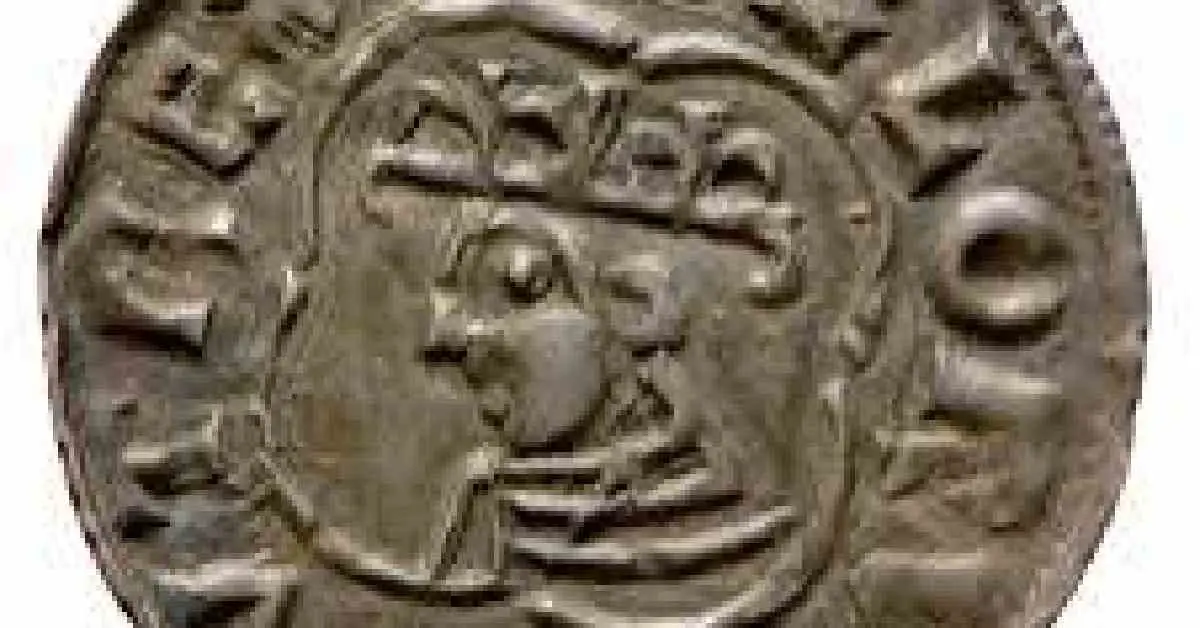
A metal detectorist in England unearthed a medieval coin intended to symbolize defiance against Viking raids, a tangible reminder of when Danish warriors turned England’s shores into battlegrounds and farmland.
John, a metal detecting enthusiast, discovered the coin that historians believe was minted to rally resistance against the bloody Viking incursions that terrorized England from the late 8th century onward. As reported by DR, the artifact represents more than medieval currency. It captures a desperate moment when Anglo-Saxon kingdoms sought any symbol to unite against Scandinavian raiders.
From Plunder to Plowing
The Viking Age kicked off brutally on June 8, 793 AD. Norse raiders struck Lindisfarne monastery, slaughtering monks and looting treasures. Over the following decades, these raids escalated from hit-and-run attacks to full-scale invasions.
But something shifted in the 9th century. Danish Vikings realized England offered more than portable wealth. The land was fertile, the climate milder than Denmark’s rocky shores. Between 800 and 900 CE, an estimated 20,000 to 35,000 Danish Vikings crossed the North Sea not just to raid but to stay.
By 876 AD, the Anglo-Saxon Chronicle noted that Vikings had begun to plough the land and support themselves. Archaeologist Søren Sindbæk explains they used military power to acquire farmland. What began as terror became settlement, particularly in eastern England where Danish genes still appear in modern populations.
Alfred’s Coins and Cnut’s Crown
The coin John found likely dates to Alfred the Great’s reign. Alfred defeated Viking forces at Edington in 878 AD, establishing the Danelaw treaty that carved England into Anglo-Saxon and Danish zones. His minting reforms created coins symbolizing unified English resistance against what his subjects called the bloody Vikings.
I find it striking how these small metal discs were deployed as psychological weapons. Alfred understood that symbols matter when your kingdom is fragmented. The coin was propaganda, a declaration that England would not simply roll over for Scandinavian invaders.
Yet the Vikings kept coming. Danish King Cnut the Great ruled England from 1016 to 1035 AD, creating a North Sea empire. His sons Harthacnut and Harald followed, though their reigns were shorter and messier. Viking influence only truly ended after Harald Hardrada fell at Stamford Bridge in 1066.
Why They Came
The Danish exodus had push and pull factors. Good harvests in 8th century Scandinavia strained Denmark’s limited farmland. Researcher Ruth Kershaw points to the lack of quality agricultural land back home. England, by contrast, was a patchwork of weak kingdoms with wealthy, poorly defended monasteries.
Overpopulation theories remain debated. Some scholars argue Scandinavia was hardly crowded, suggesting internal conflicts or pure opportunism drove migration instead. But genetic studies confirm substantial Danish settlement, particularly in areas that became the Danelaw.
The English backlash turned vicious. In 1002 AD, King Æthelred ordered massacres of Danes living in England on St. Brice’s Day. As Sindbæk notes, locals grew tired of immigrants and resorted to mass murder. It is a grim reminder that migration crises provoke violent reactions across centuries.
Legacy in Language and Land
Walk through eastern England today and you walk through Viking territory. Words like knife, egg, and window come from Old Norse. Place names ending in “by” or “thorpe” mark Danish settlements. The genetic footprint persists in modern DNA samples.
From an expat perspective, this history resonates differently when you live in Denmark. Danes today view Viking expansion as emigration for better opportunities, not unlike modern migration patterns. There is pride in Viking heritage sites, a reframing from raiders to ambitious settlers.
John’s coin is a fragment of this layered past. It could not keep the Vikings away. No coin could. But it tried, and that attempt tells us how England’s kingdoms struggled against waves of Danes seeking land, wealth, and new lives across the sea.
Sources and References
DR: John fandt en mønt der skulle holde blodige vikinger væk fra England
The Danish Dream: Harthacnut last Danish King of England
The Danish Dream: Sweyn I Forkbeard King of England
The Danish Dream: Aggersborg Viking Fortress Denmarks Largest Viking Fort