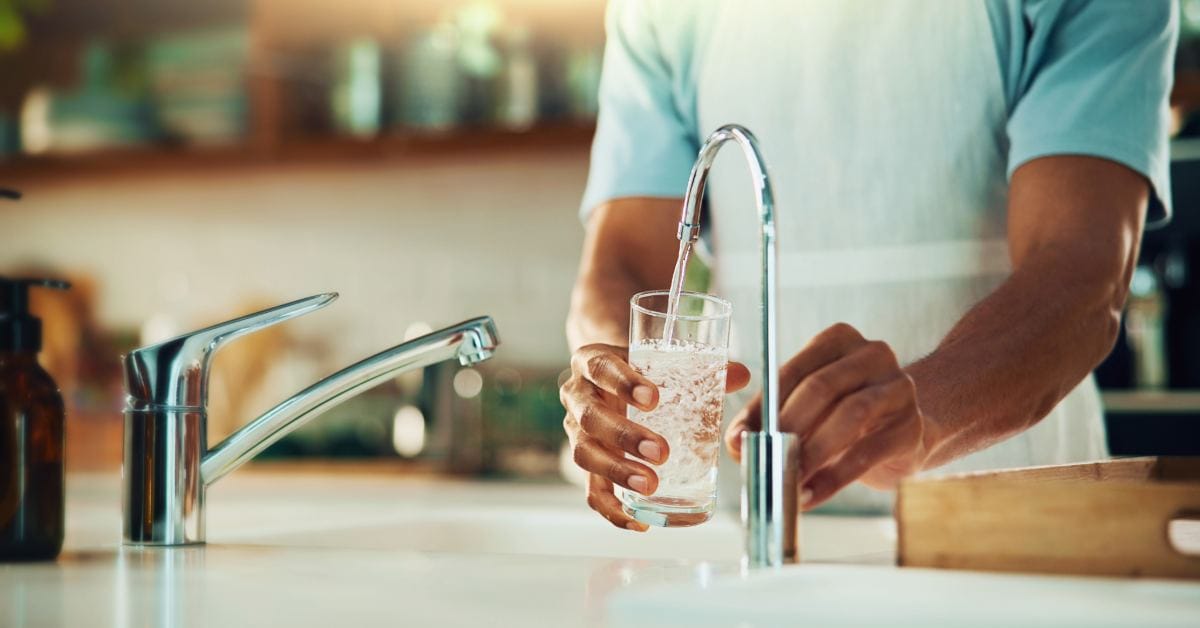
Denmark is set to dramatically lower the legal limit for nitrate in drinking water from 50 to 6 milligrams per liter following expert recommendations linking current levels to up to 70 annual cases of colorectal cancer. The move will force costly cleanups for affected waterworks while sparking calls to ban agricultural pollution at its source rather than burden consumers with treatment bills.
Expert Panel Calls for Urgent Action on Nitrate Levels
An international expert group appointed by the Danish Ministry of Environment has delivered a clear verdict on drinking water safety. The current nitrate limit of 50 milligrams per liter, which follows EU standards, should be reduced to just 6 milligrams per liter. The recommendation comes after mounting evidence that even low nitrate exposure increases cancer risk.
Health Risks Extend Beyond Current Standards
Professor Tina Kold Jensen from the University of Southern Denmark, one of the experts behind the recommendation, explains that reducing nitrate levels could prevent between 50 and 70 cases of colorectal cancer annually. When nitrate enters the digestive system, it converts to nitrite and then to nitrosamines, compounds known to cause cancer. The risk appears at levels as low as 4 milligrams per liter, far below Denmark’s current legal threshold.
A 2024 Danish study found that existing nitrate levels cause approximately 127 colorectal cancer cases each year, creating a societal cost exceeding 2 billion kroner. Meanwhile, a 2026 study became the first to link nitrate exposure to increased dementia risk. These findings underscore that the health consequences extend well beyond what earlier regulations anticipated.
Minister Pledges Swift Response
Environment Minister Magnus Heunicke has declared the issue a priority and committed to following the expert recommendations. He emphasizes that when independent experts deliver such clear conclusions, the government must act. The minister acknowledges no alternative exists but to implement the lower standards.
However, the new limit still requires assessment by health authorities before formal adoption. As of early 2026, Denmark’s official nitrate limit remains unchanged at 50 milligrams per liter despite the expert panel’s December 2025 recommendation.
Widespread Contamination Affects Multiple Regions
The nitrate problem touches significant portions of Denmark’s water supply, though most Danes currently drink water below even the proposed stricter limit. Approximately 300 of the country’s 2,500 drinking water wells show nitrate levels above 6 milligrams per liter. Several of these wells register problematically high readings.
North Jutland Bears the Heaviest Burden
The so-called nitrate belt in North Jutland faces particularly severe contamination. Aalborg Municipality stands out with some of Denmark’s highest nitrate levels due to soil conditions that allow agricultural runoff to reach groundwater quickly. The area records 74 annual colorectal cancer cases attributed to nitrate out of approximately 130 nationwide.
Twenty municipalities across Denmark have areas exceeding 30 milligrams per liter. Besides Aalborg, hotspots include Thisted, Ærø, Jammerbugt, and Samsø. A 2025 Greenpeace mapping project revealed the nationwide scope of contamination from agricultural sources. Overall, about 215 waterworks show average nitrate levels above the proposed new standard based on three-year measurements.
First Municipality Tackles Problem Head On
Aalborg became the first Danish municipality to take direct action, deciding in 2024 to install nitrate removal systems targeting a reduction to 15 milligrams per liter. The project will cost 645 million kroner, with expenses passed directly to residents. An average household faces an extra bill of approximately 1,000 kroner annually for ten years.
This approach of treating contaminated water rather than preventing pollution has drawn criticism from environmental experts. The affected volume equals roughly 25 million cubic meters annually, representing about 10 percent of Denmark’s public drinking water supply.
Agriculture Identified as Primary Pollution Source
The nitrate entering Denmark’s groundwater originates primarily from farming practices. Decades of intensive agriculture using fertilizer and manure, especially in sandy soils with poor filtration, have allowed nitrate to seep into aquifers. The contamination represents accumulated pollution from years of agricultural activity near drinking water sources.
Experts Advocate Prevention Over Treatment
Professor Torben Sigsgaard from Aarhus University argues that making consumers pay millions for water treatment misses the point entirely. Instead of expensive cleanup efforts, Denmark should focus on stopping agricultural pollution at its source. Protecting groundwater formation areas costs far less than installing and operating treatment facilities.
Environmental organizations including Greenpeace have echoed this position, insisting that polluters rather than water users should bear financial responsibility. Water sector associations DANVA and Danske Vandværker support this view, calling for government-funded groundwater parks where farming faces restrictions. They stress that sustainable solutions require integrating drinking water protection into broader agricultural reforms like the Green Tripartite Agreement.
Government Acknowledges Agricultural Role
Environment Minister Magnus Heunicke recognizes that agriculture contributes significantly to nitrate problems. He points to the Green Tripartite Agreement’s provisions for converting farmland and reducing fertilizer use as steps toward addressing the source. Nevertheless, he admits these measures prove insufficient.
The minister states his responsibility involves ensuring water utilities implement whatever measures necessary to meet recommended safety levels. Meanwhile, environmental advocates push for national bans on pesticides and nitrates in vulnerable groundwater zones, arguing that decades of inadequate regulation demand stronger action. As of early 2026, no such prohibitions have been enacted despite ongoing policy discussions.
Sources and References
The Danish Dream: Denmark Bans PFAS Pesticides to Protect Groundwater
DR: Nitrat i drikkevandet kan give dig tarmkræft: Ekspertgruppe vil have grænseværdi sænket markant
DANVA: Danish Water and Wastewater Association
Information: Danish News Media
DM: Danish Medical Association
Økonomisk Ugebrev: Economic Weekly
Ritzau: Danish News Agency
Kræftens Bekæmpelse: Danish Cancer Society
Krüger: Water Treatment Company
Danske Vandværker: Danish Waterworks Association
Danmarks Naturfredningsforening: Danish Society for Nature Conservation