A nature guide remains stranded on a small Danish island for five days after severe winter weather froze the surrounding waters. While his neighbors evacuated by helicopter, Sam Christensen chose to stay behind to care for the animals, now relying on an improvised supply line involving a bow, kayak, and fishing rods to receive food.
Isolated but Not Alone on Eskilsø
While most of Denmark has returned to normal after days of heavy snowfall and freezing conditions, one man remains cut off from the mainland. Sam Christensen, a nature guide and supervisor at Skjoldungernes Land National Park, has been stranded on Eskilsø in Roskilde Fjord for five days.
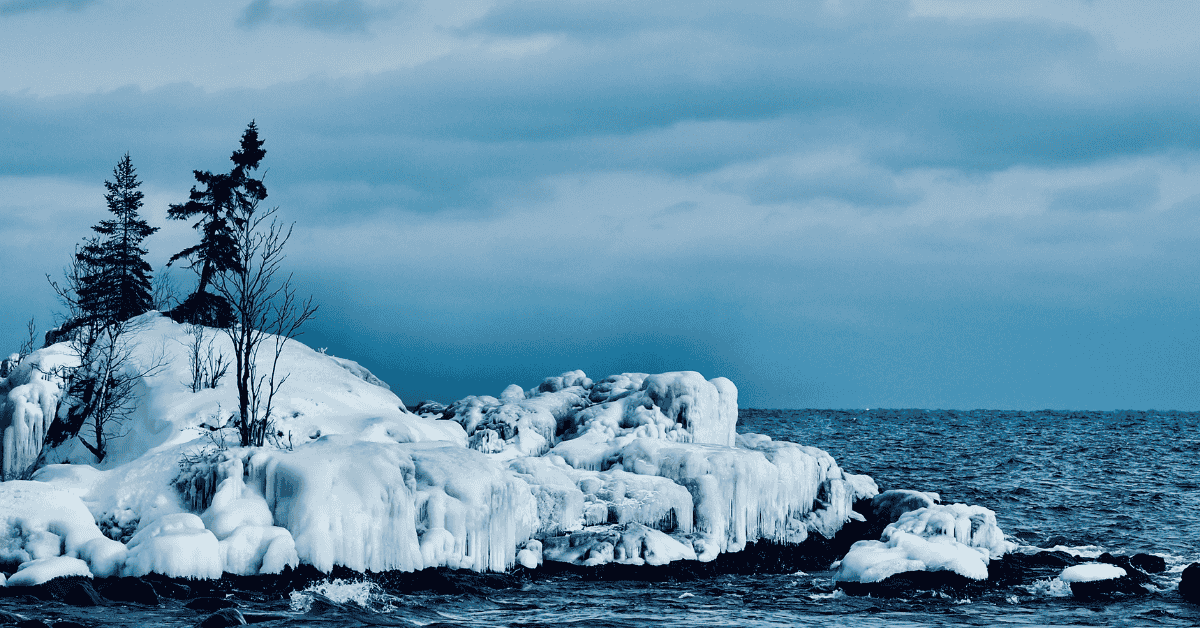
The small island in the fjord became unreachable when ice formed around it during the recent cold snap. Despite having the chance to leave by helicopter with his two neighbors earlier this week, Christensen decided to stay. His reason was simple. Someone needed to care for the animals on the island.
So far, he says the isolation has not bothered him much. As someone who works in nature and lives on a remote island, Christensen is used to solitude. The days have passed quickly as he tends to the animals, making sure they have enough food and water.
Dangerous Ice Conditions Keep Eskilsø Island Cut Off
The ice surrounding Eskilsø poses a serious risk. It is not thick enough to walk on safely, but it blocks boats from reaching the island. This leaves Christensen in a tricky situation. He cannot leave, and regular supply runs cannot reach him.
After five days, his food supplies are running low. A trip to the supermarket is out of the question. There are no delivery services that can reach the island. Instead, Christensen and his friend Jørgen have come up with a creative solution.
The plan involves shooting a line across the 200 meters of ice and water that separate the island from the nearest accessible point on the mainland. Jørgen will use a bow to fire the line toward the island. If the arrow falls short, Christensen will try to catch it using fishing gear from his side.
Once they establish the line, they will attach ropes to both ends. These ropes will pull a kayak loaded with supplies across the ice. The kayak will carry milk, bread, and other daily necessities to keep Christensen going until the ice melts or conditions improve.
Life as a Nature Guide on Eskilsø Island
Christensen works as a nature guide and supervisor in the national park that includes Eskilsø. The park covers a large area rich in Danish history and natural beauty. His job involves educating visitors, protecting wildlife, and maintaining the park’s facilities.
Living on a small island is part of that work. The island is home to various animals that need daily care. During normal conditions, Christensen can move back and forth between the island and the mainland without much trouble. But extreme weather can quickly change that.
The recent snowstorm that hit Denmark created widespread disruption. Roads were blocked, trains stopped running, and many people were stuck at home. For Christensen, the storm meant something different. It meant being completely cut off from the outside world.
Creative Solutions for Stranded Eskilsø Island Residents
The makeshift supply line is not just creative. It is necessary. Without it, Christensen would have to wait for the ice to melt or for conditions to improve enough for a boat or helicopter to reach him safely.
Helicopters are expensive and not always available. The two neighbors who left the island earlier in the week had arranged for a private helicopter evacuation. Christensen was offered a seat but turned it down. His sense of responsibility toward the animals kept him on the island.
Now, his friend Jørgen is stepping in to help. The bow and arrow method may sound unusual, but it makes sense given the circumstances. A 200 meter distance is too far to throw a rope. A boat cannot break through the ice. And walking across it is too dangerous.
If the plan works, the kayak will glide across the ice, pulled by the rope system. It will be a slow process, but it should work. If it does not, they will need to come up with another idea.
Winter Weather Challenges Across Denmark
The extreme weather that trapped Christensen on the island affected much of Denmark. Heavy snow and freezing temperatures caused travel delays, power outages, and other disruptions. Many roads became impassable. Public transportation struggled to keep schedules.
In rural areas and on islands, the impact was even greater. Small communities that rely on ferries or bridges found themselves cut off. Emergency services had difficulty reaching remote locations. For some, like Christensen, leaving was not an option.
Denmark’s winter weather can be unpredictable. Mild winters are common, but occasionally, cold snaps bring severe conditions. Ice formation in fjords and coastal areas is not unusual, but it can create serious problems when it happens suddenly.
The Roskilde Fjord, where Eskilsø is located, is a shallow body of water. Shallow water freezes more easily than deep water. When temperatures drop quickly, ice can form in just a few hours. This makes it difficult to predict when travel will become impossible.
Looking Ahead for the Stranded Nature Guide
Christensen remains optimistic. He has enough supplies for now, and the plan to bring more is in motion. He knows the ice will eventually melt. Until then, he continues his work caring for the animals and maintaining the island.
His situation highlights the challenges of living and working in remote areas. It also shows the resourcefulness needed when modern conveniences are not available. A bow, a kayak, and some rope may not be high tech, but they could solve the problem.
For now, Christensen waits. He has time to think, as he puts it. There are not many distractions on a small island in winter. But he is not worried. He has faced isolation before. This time is just a bit longer than usual.
The animals are fed. The water supply is secure. And soon, if the plan works, fresh supplies will arrive by kayak. It is not the way most people get their groceries, but on Eskilsø, it is the only way.
The Role of National Parks in Danish Life
National parks like Skjoldungernes Land play an important role in Denmark. They preserve natural landscapes and protect wildlife. They also provide recreational opportunities for residents and visitors.
Working in these parks requires dedication. Staff members like Christensen often live in remote locations. They work long hours and deal with unpredictable conditions. Their work ensures that Denmark’s natural heritage remains protected for future generations.
Eskilsø is a small part of a larger network of protected areas. The island’s isolation makes it valuable for wildlife. It also makes it challenging for those who live and work there. Christensen’s decision to stay and care for the animals reflects the commitment needed for this kind of work.
As Denmark continues to develop and urbanize, these protected areas become even more important. They offer a connection to nature that is increasingly rare. They also remind people of the challenges faced by those who dedicate their lives to conservation.
For Sam Christensen, being stranded on Eskilsø is just another part of the job. It is inconvenient, but not unbearable. And with a little creativity and help from a friend, he will get through it just fine.
Sources and References
The Danish Dream: Best Travel Insurance in Denmark for Foreigners
DR: Sam Christensen er stadig frosset inde på lille ø