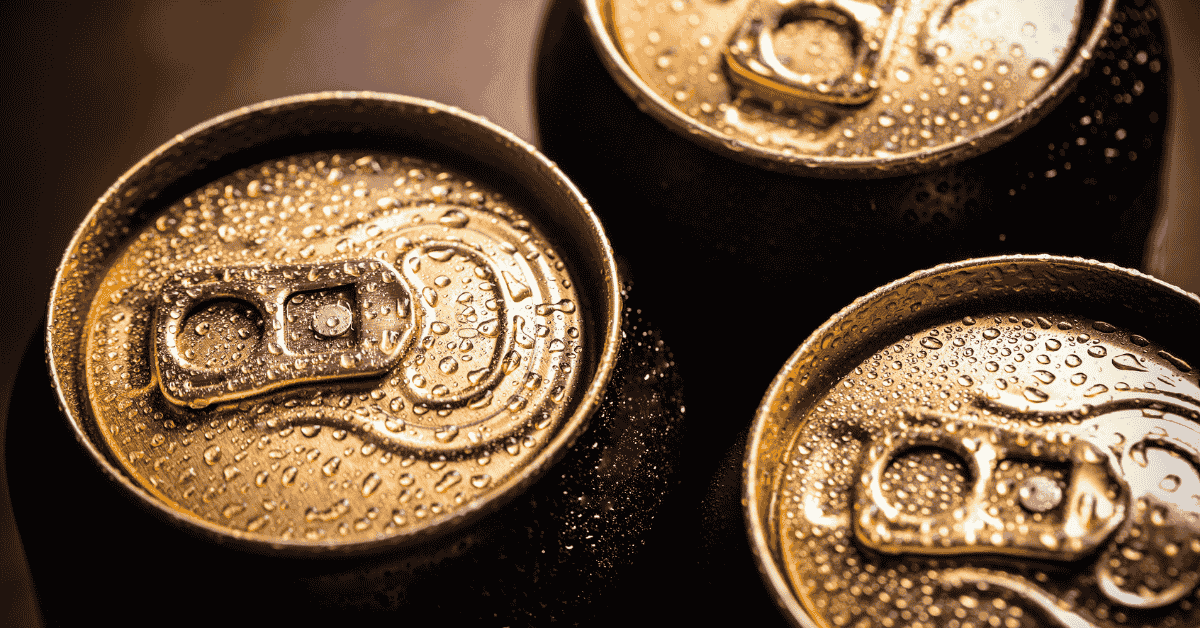
The Danish beverage market is shifting quickly, with cans taking the lead over traditional glass bottles. Brewers and environmental experts say the change is both practical and economical—but not everyone agrees, and EU rules may complicate things further.
Denmark’s Breweries Turn Toward Cans
For generations, the sound of clinking glass bottles has been part of Danish beer culture. But that familiar tone is fading. More breweries are replacing bottles with cans, and this move appears to be only the beginning of a larger transformation. The Brewery Association in Denmark expects that the shift will accelerate as producers recognize both the cost savings and logistical advantages.
At smaller producers, the difference is already obvious. For example, the craft brewer Lille Holmgaard Bryghus near Skjern has chosen to can its beer rather than bottle it. The math is simple. Packaging and deposit labels cost much less for cans than for glass, and the overall expenses for shipping and handling are significantly reduced.
Once breweries study those numbers, many find it hard to justify sticking with glass. Cans also make sense on a practical level: they are lighter, less fragile, and easier to store and recycle.

Environmental and Practical Benefits
Brewers argue that cans are not only cheaper but also better for the environment. Since they weigh less, trucks can transport more product at once, which cuts down on fuel and emissions. Return logistics are simpler too. Empty aluminum cans take up less space compared to heavy glass bottles.
Even from a product perspective, cans offer an advantage. Beer inside a can is completely protected from sunlight, which can alter flavor and freshness. That has made many brewers rethink their packaging approach, especially those producing craft beers known for delicate taste profiles. For consumers exploring the best breweries in Denmark, the shift is already noticeable.
Global Recycling Leader
Denmark’s recycling system plays a major part in this story. Nearly 98 percent of cans and bottles sold in the country are returned for reuse or recycling, the highest recorded rate anywhere in the world. However, only a small fraction of bottles are cleaned and refilled. According to Dansk Retursystem, just about six percent of returned glass bottles follow that route. The rest are crushed and melted down to create new glass, a process that consumes more energy than simple refilling but remains highly efficient.
Interestingly, cans are almost entirely recycled as new cans through the same system. Aluminum can be melted repeatedly without losing quality, making it one of the most sustainable packaging materials available. Plastic bottle recycling is somewhat less efficient since certain types of plastic cannot legally be reused for beverages.
Traditional Brewers Hold Their Ground
Despite the enthusiasm for cans, not every brewery is convinced. The well-known Hancock Brewery in Skive plans to stick to glass, both for its beers and its cult soft drink, Sportscola. The company believes that switching to cans would require costly new equipment. There is also a cultural argument. Some Danes prefer drinking from bottles and view glass as a nostalgic reminder of the past.
Large breweries such as Carlsberg and Royal Unibrew take a middle position by offering both formats. This mixed approach allows consumers to decide which packaging they prefer, balancing convenience with tradition.
EU Pushes for Refillable Bottles
While Danish brewers are embracing cans, EU policymakers are moving in the opposite direction. New European rules aim to increase the use of refillable bottles. At present, they account for only about six percent of containers in Denmark. By 2030, EU regulations will require supermarkets and bars to ensure that at least ten percent of their beverage packaging—beer, soda, and mineral water—is refillable. That share is expected to rise to forty percent by 2040.
Industry groups question whether this is the most sustainable approach. They argue that when transport and cleaning costs are considered, melted and remade aluminum cans may have a lower environmental impact than repeatedly washing and refilling glass bottles. Studies from other Nordic countries support this view, showing that cans can outperform bottles in overall carbon footprint.

The Future of Danish Beverages
In the end, Denmark’s beverage market appears set for a long-term shift toward aluminum. Consumers might still find bottled favorites on the shelves, but cans are increasingly the default choice. The trend reflects a blend of practicality, cost savings, and environmental logic, even as the debate over sustainability continues across Europe.
Sources and References
The Danish Dream: Best Breweries in Denmark
The Danish Dream: Best Energy Providers in Denmark for Foreigners
DR: Dåserne tager over i forhold til flaskerne på drikkevaremarkedet