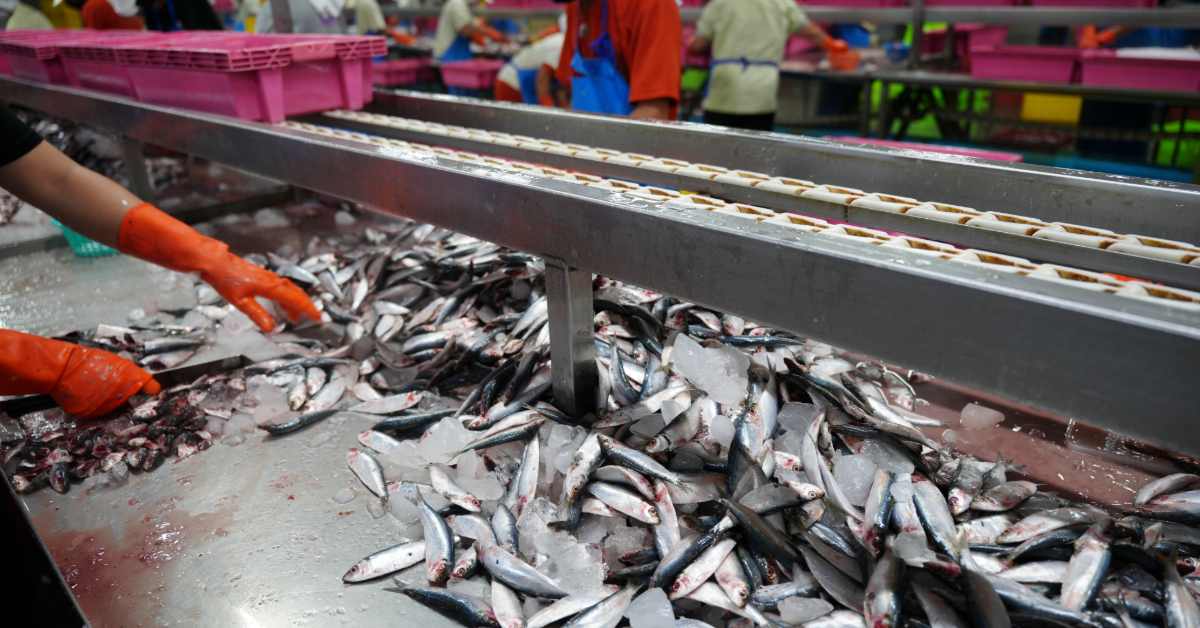
For the third time in a year, Danish authorities have filed a police report against the seafood producer Polar Salmon Hjerting Laks in Esbjerg for mislabeling and food safety violations linked to listeria contamination.
Repeated Violations at Esbjerg Fish Factory
Danish food authorities have once again taken action against Polar Salmon Hjerting Laks, a seafood factory in Esbjerg that has faced several legal issues in 2024. This time, the company is accused of failing to properly declare added brine and water in certain luxury fish products.
According to the Danish Veterinary and Food Administration (Fødevarestyrelsen), the company included around 7.5 percent saltwater solution through a process called injection curing. This left more than five percent water in the fish without declaring it on the packaging. The result, investigators said, was that the stated percentage of fish on labels was misleading since the brine was counted as fish.
The administration imposed a fine of 30,000 Danish kroner on the company. This latest case adds to a growing list of problems for the factory, which has already been cited twice this year for serious food safety breaches.

Company Promises to Review Procedures
In the inspection report, Polar Salmon Hjerting Laks explained that the added brine was meant to keep the product from becoming too dry. Although the company indicated it would review the issue, it denied some of the authority’s findings.
The Esbjerg-based processing plant first drew national attention earlier this year when products from the factory tested positive for listeria. Listeria can be particularly dangerous for certain groups, including pregnant women, the elderly, and people with weakened immune systems. Symptoms include fever, diarrhea, and vomiting.
Listeria bacteria are found in many food types such as meat, unpasteurized dairy products, and processed seafood. The contamination at the Esbjerg factory led to multiple product recalls earlier in the year, including smoked halibut and salmon items.
Police Reports and Product Recalls
At the beginning of the year, Fødevarestyrelsen reported the company for selling listeria-contaminated salmon without informing authorities. Tests from 2023 and 2024 showed nine positive cases of the bacteria in factory samples.
According to the agency, the management knew about these test results but failed to act. In response, the company claimed the issue originated under former employees.
Just two months later, the business faced another police report, this time because it did not notify the authorities when new listeria-positive fish were discovered in November 2024. Instead of coordinating with regulators, the company reportedly continued distributing products that should have been withdrawn.

Tragic Health Impact and National Concerns
The outbreak had serious health consequences. The Statens Serum Institut (SSI) linked 27 invasive listeria infections to products from Polar Salmon Hjerting Laks between 2018 and 2024. All the identified patients were hospitalized. Four of them died within 30 days of being diagnosed.
These findings triggered stronger oversight from food regulators and renewed public debate about food safety accountability in Denmark. The recurring issues have emphasized how essential transparency and accurate labeling are for consumers and producers alike.
The case also comes amid Denmark’s ongoing efforts to combat foodborne infections. Government agencies have been under pressure to strengthen the supervision of food producers, similar to the ongoing fight to control Salmonella outbreaks in the Danish food sector.
As the Esbjerg case unfolds, Fødevarestyrelsen is expected to continue inspecting fish factories closely and update regulations to ensure greater compliance.

Looking Ahead
For Polar Salmon Hjerting Laks, the road to regaining trust will be long. Regulatory bodies have indicated that repeated offenses could lead to production bans or additional fines. Meanwhile, public confidence in fish safety remains fragile, especially after the repeated reports of contamination and mislabeling.
The repeated police actions mark a difficult chapter for the company and a warning to others in the industry that failure to meet standards will face strict repercussions. Danish authorities are determined to ensure that what consumers buy from their local shops is safe, accurately labeled, and produced responsibly.
Sources and References
DR: For tredje gang i år: Fødevarestyrelsen politianmelder fiskefabrik
The Danish Dream: Danish Salmonella Struggle: The Fight Continues
The Danish Dream: Best Health Insurance for Foreigners in Denmark