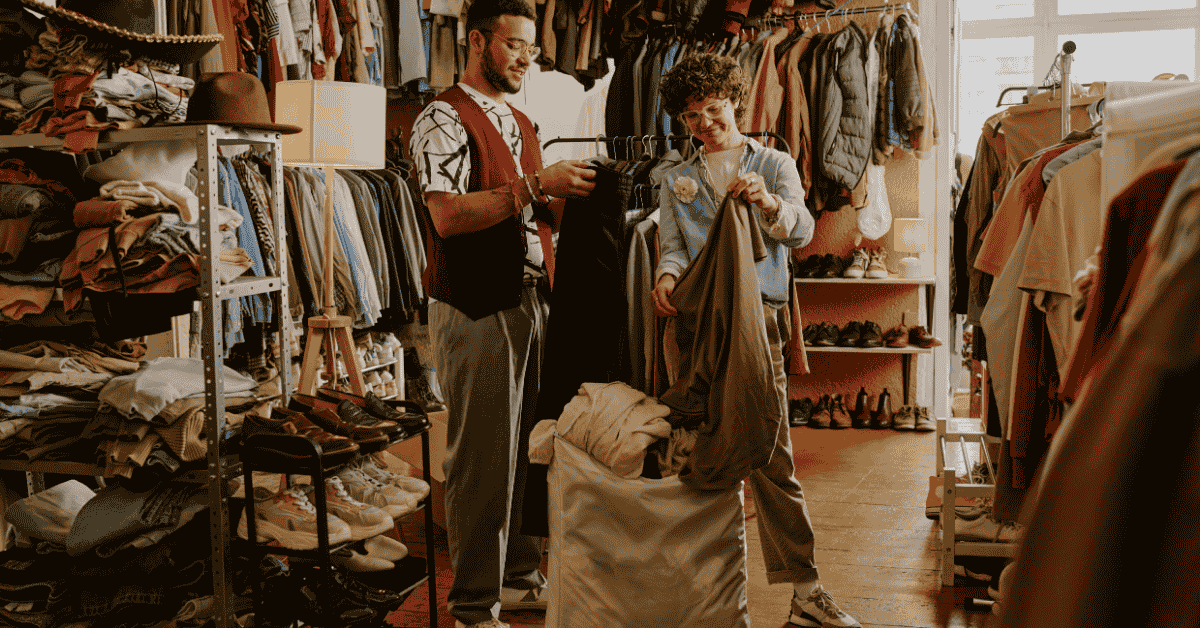
Secondhand stores across Denmark are struggling with an influx of ultra-cheap clothing from Chinese giants Shein and Temu. Much of the donated clothing is of such poor quality that it cannot be resold and may even contain harmful chemicals.
Charity stores overwhelmed by poor-quality donations
Recycling and thrift stores across Denmark, including Red Cross branches, have seen a growing wave of donations from shoppers buying clothes through online platforms like Shein and Temu. According to charity representatives, much of the donated clothing is unfit for resale due to low durability and safety concerns.
In Roskilde, the local Red Cross chapter now spends more time and money sorting out items that look stylish but fail basic quality checks. Staff routinely discard clothing that may contain hazardous substances such as PFAS, the so-called “forever chemicals.” This trend reflects a broader problem sweeping through Europe, where cheap imports from Asia flood the market and quickly end up as waste.

EU rules make disposal even harder
Under current EU waste rules, secondhand shops are not allowed to throw away clothing directly. Instead, they must pay for proper waste processing. That leaves non-profits footing the bill for managing low-quality garments that cannot be reclaimed.
At the same time, testing by Danish consumer organization Forbrugerrådet Tænk found illegal levels of PFAS in most of the jackets they examined earlier this year. Of the 17 garments tested, 13 contained PFAS, and 12 exceeded EU safety limits. The absence of direct import responsibility for major e-commerce platforms means the burden often falls on consumers, recyclers, and local charities.
Given how heavily products from Shein and Temu dominate fast fashion trends, many Danish organizations feel there should be far stronger oversight.
Calls for platform accountability
Consumer advocates and non-profits agree that the platforms must take greater responsibility for what they sell in Europe. While European companies must comply with strict safety and labeling rules, sellers operating through these Chinese platforms often bypass local controls. Advocates argue that stricter import checks and product safety enforcement could reduce the environmental damage and financial losses now affecting thrift stores.
Interestingly, this discussion mirrors recent developments where digital marketplaces have begun facing public backlash for product safety concerns. For instance, Reshopper banned Shein due to risks related to unsafe materials. Many Danish consumers increasingly support tighter regulation of online imports to ensure quality and transparency.
Politicians push for EU-level action
EU parliamentarian Stine Bosse from Denmark’s Moderates party believes responsibility must rest both with the European Union and the platforms themselves. She has called for introducing a product liability requirement for global online marketplaces so that the platforms—not small individual sellers—are accountable for meeting EU regulations.
She also argues for tighter border checks on imported goods to block items that do not meet European safety standards. The current system, she says, does not provide effective protection against the inflow of substandard products, leaving local charities and municipalities to shoulder the costs.
In the end, the situation exposes a growing problem in Europe’s fast fashion cycle. Cheap online trends generate massive waste while undermining sustainability initiatives at home. Danish thrift stores, once champions of reuse and responsible consumption, now spend increasing time cleaning up the fallout of global e-commerce.

Sources and References
The Danish Dream: Reshopper bans Shein over product safety concerns
The Danish Dream: Best clothing stores in Denmark for foreigners
TV2: Temu og Shein skaber store problemer for genbrugsbutikker