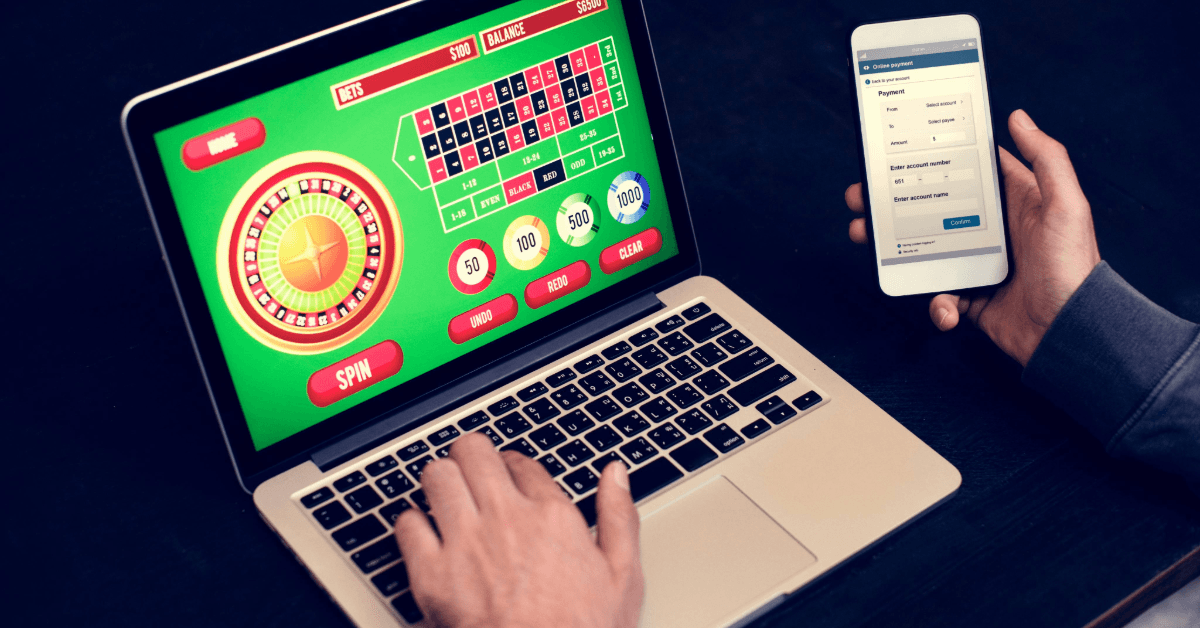
Over 28 percent of online gambling in Denmark now takes place on illegal offshore websites. Young Danes, particularly males, are increasingly drawn to unregulated crypto-casinos and betting platforms, fueling a shadow industry worth billions of kroner annually.
Illegal Gambling in Denmark Surges
A growing number of Danes are engaging in online gambling through illegal channels, with recent data revealing that 28 percent of all online casino and sports betting activity now occurs on unregulated foreign websites. This surge represents a dramatic shift in Denmark’s gambling landscape, where consumers are bypassing domestic safeguards to wager billions on platforms that operate outside legal oversight.
According to estimates from H2 Gambling Capital, an internationally recognized analytics firm used by Danish and EU authorities, more than 2 billion Danish kroner (approximately $285 million USD) are spent annually on these unauthorized gambling services.
Minimal Safeguards and Easy Access
The foreign platforms attracting Danish users are typically easy to access, requiring only a credit card and an internet connection. These sites do not require the Danish national ID (MitID), and lack age verification, deposit limits, or tools like ROFUS, Denmark’s registry for self-exclusion from gambling.
Because only gambling operators with a Danish license are allowed to legally offer services targeting Danish consumers, many of these foreign sites explicitly violate national laws. Indicators of illegal targeting include Danish language use, acceptance of the Danish krone, domestic payment methods like Dankort, and Denmark-specific customer support.
Youth Gambling and Emerging Trends
Experts have raised alarms about a troubling cultural shift among younger Danes, especially teenage boys. Gambling is reportedly becoming a regular social activity within high school-age peer groups. Treatment centers now routinely see minors, some as young as 15, seeking help for gambling addictions, an age demographic that barely registered in treatment statistics a decade ago.
Popular games on these illegal platforms include traditional casino ones like roulette, blackjack, and slot machines. Moreover, they also offer new forms of gambling that are banned in Denmark, including crash gambling and skin betting.
New Form of Gambling in Denmark: Crypto and “Crash” Sites
One of the major factors behind the illegal gambling boom is the rise of crypto-casinos. These sites allow users to bet with cryptocurrencies like Bitcoin or Ethereum, making it easy to gamble anonymously and avoid banking oversight. Additionally, game types like crash gambling, where winnings multiply until an unpredictable crash, and skin betting, which uses virtual gaming items to place bets, have surged in popularity.
These forms of gambling are particularly enticing to the digital-native younger generation and are often promoted through social media platforms, making them more visible and accessible than ever before.
Financial Impact Seen in Banking Data
Data from Danske Bank underlines the extent of the phenomenon. Young men aged 18 to 24 are now spending an average of 800 kroner per month on gambling. As this is an average, actual spending may be significantly higher for frequent gamblers, presenting real risks to personal finances. In contrast, similar trends are not observed among young women, suggesting a gendered dimension to the growing issue.
Calls for Stronger Regulation and Enforcement of Gambling in Denmark
Organizations such as Denmark’s Center for Ludomani warn that the country is losing its grip on the gambling market. Denmark was once viewed as a role model for regulated gambling, but the rise in illegal activity now paints a starkly different picture.
Suggestions to curb illegal gambling include blocking payments to and from unlicensed operators, a strategy already employed in Norway. There are also calls to strengthen Denmark’s self-exclusion system, ROFUS, and enhance digital tools to block access using artificial intelligence.
Regulators Tracking the Problem
The Danish Gambling Authority has acknowledged the recent data but notes that the calculation methods used by H2 Gambling Capital have changed. The updated figures now include traffic from referral platforms and assume higher spending rates on the unregulated market. Past assessments estimated the illegal gambling share at just 11.5 percent.
Authorities say they are monitoring the situation closely. However, enforcement remains challenging. While offering unlicensed gambling is illegal, Danish law does not penalize players who choose to use these foreign platforms.
In the meantime, gambling addiction experts and industry stakeholders are urging a national conversation about digital gambling’s risks and the urgent need for more robust regulatory action.