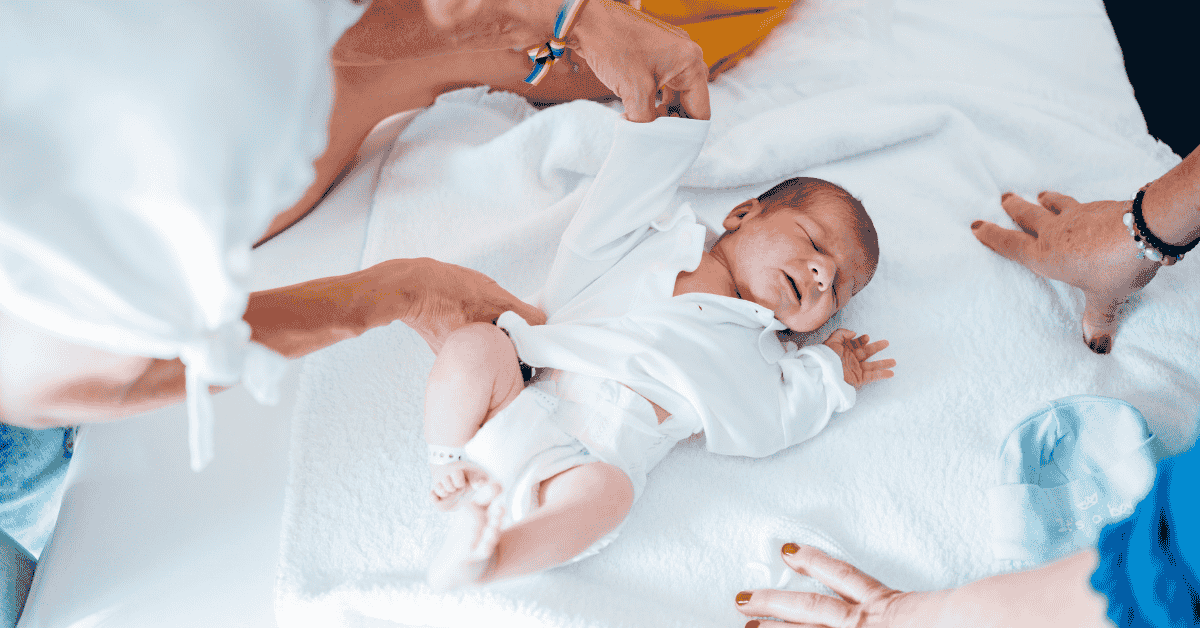
A groundbreaking Danish clinical study is testing whether a single probiotic bacteria given to newborn babies in Denmark can significantly reduce chronic illnesses for future generations. Over 1,000 babies will participate in the long-term trial. Babies born in high-come are often lacking this bacteria, due to factors like increased antibiotic use during pregnancy, higher rates of C-section births, and generally cleaner environments that limit babies’ exposure to beneficial microbes.
Major Danish Study Aims to Boost Infant Health with Probiotics
A pioneering new research project in Denmark is aiming to uncover whether giving a specific probiotic to newborns can lead to significantly better health outcomes later in life. The study, called BEGIN, involves up to 1,000 infants from the Central Denmark Region and could one day transform standard newborn care.
Researchers are investigating the effects of the beneficial gut bacterium Bifidobacterium infantis (B. infantis), which plays a crucial role in early immune system development. The bacterium is typically passed from mother to baby during birth, but due to modern medical practices and hygiene norms in the Western world, many babies today are missing out.
Split Test with Placebo Control for Babies in Denmark
The infants involved in the BEGIN study are divided into two groups: one receives a daily supplement of the B. infantis bacteria in powder form, while the other receives a placebo. Neither the parents nor the researchers know which baby belongs to which group – a method known as a double-blind trial, which ensures unbiased research outcomes.
Over a one-year period, participating families are asked to submit regular stool samples and respond to questionnaires, allowing the scientists to analyze differences in gut flora and potential links to baby health. In addition, a small number of blood tests are used to get more detailed biomarkers.
To assess the long-term health impacts, researchers have permission to track the children through Danish national health records until they turn 18.
Why These Bacteria Are Missing in Babies in Denmark
According to the study’s research team, many babies born in high-income countries today lack key gut bacteria, including B. infantis. This could be due to factors like increased antibiotic use during pregnancy and early childhood, higher rates of C-section births, and generally cleaner environments that limit babies’ exposure to beneficial microbes.
Once destroyed by antibiotics, B. infantis cannot easily recolonize the gut, which may leave infants more vulnerable to early-life conditions like colic and infections, as well as chronic inflammatory and autoimmune diseases later on.
The Hygiene Hypothesis
Modern cleaning standards and the widespread use of antibacterial products may also reduce microbial diversity. Scientists are beginning to suspect that a lack of early exposure to such microbes can lead to immune system dysfunctions, contributing to the rise in allergies, asthma, and autoimmune conditions.
What the Study Hopes to Prove
Researchers will initially look for short-term benefits in the form of reduced colic, fewer gastrointestinal infections, and lower antibiotic resistance in gut bacteria. But the ultimate goal of the BEGIN study is far more ambitious, to prevent or reduce long-term chronic illnesses such as type 1 diabetes, allergies, asthma, and juvenile arthritis.
Data from international sources indicate that diseases involving the immune system have risen sharply over the last two decades in wealthy countries. That has fueled interest in the role of gut bacteria in regulating immune responses from early infancy.
Halfway Through with Promising Momentum
So far, around 400 babies have joined the study, which is at its halfway mark. As more newborns are enrolled over the coming months, early trends will be assessed around the three-week mark – the age when signs of colic and gut infections often begin to appear.
To further understand the impact of B. infantis, researchers are also using specialized body composition scanners, known as “Pea Pods,” to check how the bacteria may influence early childhood growth patterns.
Potential to Become a Newborn Standard for Babies in Denmark
If results from the BEGIN study show a clear positive impact, researchers envision that B. infantis supplements could eventually be offered routinely to all newborns alongside vitamin D drops, which are already recommended in Denmark and many other countries for bone health.
With follow-up lasting until the participants reach adulthood, the BEGIN study’s implications could be far-reaching. It could provide critical insight into how strategic reintroduction of lost microbes can build stronger immune systems and healthier generations.
This ambitious Danish study is poised to become a global reference point in pediatric health research, offering new hope for preventing diseases before they begin.