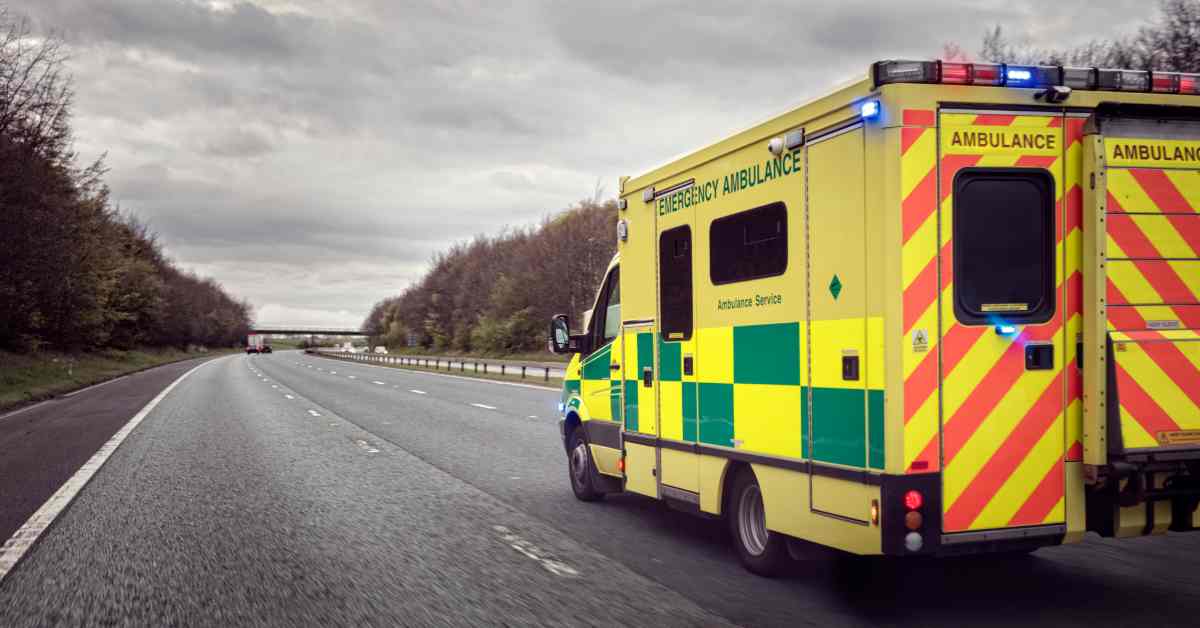
A new SMS-based system by the Capital Region of Denmark aims to reduce anxiety during a Danish emergency by enabling real-time ambulance tracking, improving communication during stressful moments. While response times remain unaffected, the feature adds a layer of transparency for emergency callers. 


Real-Time Updates for Emergency Calls
Residents in Denmark’s Capital Region now have access to a new SMS-based system that notifies them when an ambulance is en route to their location. The initiative is part of a broader effort by the Danish emergency medical services to improve the experience of those awaiting emergency care. This can help people feel a bit calmer while they wait. The SMS includes a direct link to a map, which shows the called ambulance’s progress toward the scene. Rather than pinpointing the exact location of the vehicle, the system displays a circle that shrinks as the ambulance gets closer. The map also offers an estimated time of arrival, helping to stay calm while waiting for the ambulance in critical situations.Addressing Stressful Waiting Periods
Experiencing a medical emergency—whether for oneself or a loved one—can be tense and frightening. The uncertainty around how long help will take to arrive often intensifies those feelings. To address this, the Capital Region of Denmark has implemented the new SMS alert system in hopes of alleviating some of that stress. Data suggests that during such incidents, even a few minutes of uncertainty can feel prolonged. With the notification system in place, officials hope that keeping citizens informed will alleviate fear and make these moments more manageable. The feature is specifically activated when a citizen calls the Danish emergency number, 112, and a vehicle is dispatched with lights and sirens.Response Times Still a Challenge in Bornholm
Although the new tracking system improves communication, it does not change actual ambulance response times. Factors such as traffic, road conditions, and weather continue to influence how quickly emergency services arrive at the scene. On the island of Bornholm—part of the Capital Region—ambulance response times have remained a concern. According to data from May 2024, only 91.4 percent of emergency responses on Bornholm arrived within the region’s target time of 15 minutes. This places the island last among municipalities in the region. The political goal is to meet this standard in at least 93 percent of Danish emergency calls.Why Real-Time Communication Matters
Though the SMS system does not affect response times, it represents a meaningful shift in how public services manage expectations and communicate with citizens. The idea is simple: the better informed people are, the less stress they may experience in those crucial moments. Instead of waiting in silence, unsure if help is minutes or miles away, individuals can now track ambulance proximity in real-time with just a link on their phone. The visual design of the system is user-friendly. The link leads to a mobile-friendly map with a shrinking geofence that grows tighter as the ambulance nears. This minimalistic design keeps the interface clear and focused without overwhelming people during a Danish emergency.Not a Technological Fix for All Problems
Officials behind the system are clear that the tool is meant to improve transparency, not emergency speed. Weather disruptions, congested urban roads, and rural remoteness will still play critical roles in how fast an ambulance can reach someone in need. However, by closing the information gap and giving patients and their families an idea of what’s happening, the region hopes to offer at least some emotional relief. This new system is one of the first of its kind in Denmark and reflects a growing trend in integrating modern digital tools into public health infrastructure. By offering better updates and helping families prepare for when medical personnel will arrive, even a small change like this can have a powerful impact on community trust and patient experience.Next Steps and Broader Ambitions
While the system is currently active within the Capital Region, other regions in Denmark may soon follow if the results prove beneficial. Evaluating how users respond and whether the feature reduces the burden on emergency dispatchers will likely shape future iterations. As Denmark continues its broader investment in digital healthcare solutions, this real-time emergency tracking system could eventually become standard nationwide. For now, residents in areas like Copenhagen and Bornholm will benefit first—and may see not just ambulances on the move, but also greater public confidence riding alongside them.