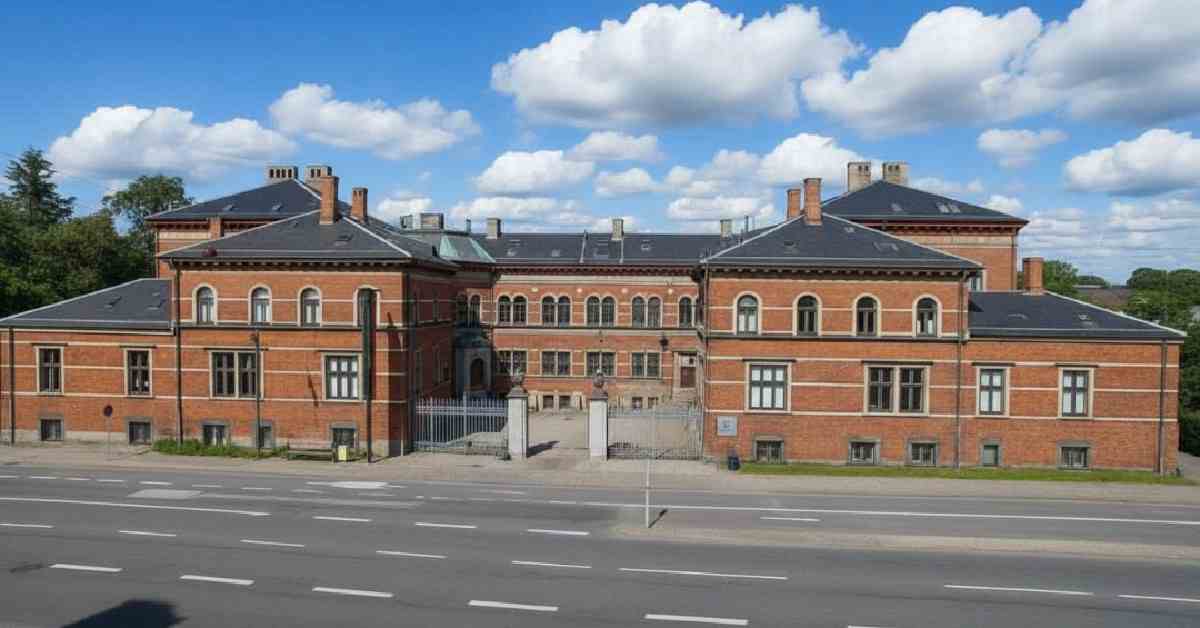
The Geological Museum in Copenhagen, Denmark, stands as a beacon of scientific curiosity and an enduring testament to Denmark’s rich natural heritage. As part of the Natural History Museum of Denmark, this museum plays a vital role in educating the public and facilitating research into the history of our planet. With its captivating exhibits and extensive collections, the museum chronicles the Earth’s geological past.
Also, I could not get enough of the impressive array of minerals, fossils, and meteors. Such an arrangement can surely captivate visitors of all ages. If you would like more natural wonders in connection with architectural feats, The Cisterns and the Danish Architecture Center are good places to start.
Here are the key points on The Geological Museum:
- Copenhagen’s Geological Museum Overview: The museum showcases ancient fossils, minerals, and lunar samples. Thus, highlighting Denmark’s rich natural history and geological treasures.
- Historical Significance and Collections: Founded in 1772, it is one of the oldest geological museums. Also, it houses over 10 million specimens including fossils, minerals, and meteors.
- Notable Exhibits and Features: Highlights include the ‘Fossil and Evolution’ gallery with rare fossils like prehistoric whales and trilobites. This is as well as a comprehensive mineral collection of over 160,000 specimens.
- Visiting Details and Accessibility: Open year-round Tuesday to Sunday, easily accessible by public transportation or cycling, with facilities for visitors with disabilities.
- Educational and Cultural Value: The museum serves as a hub for learning and exploration. Thereby, offering insights into Earth’s history and natural processes through its extensive exhibits.
The Geological Museum: A Treasure Trove of Earth’s History and More
Founded in 1772, the Geological Museum is one of the oldest national museums of its kind in the world. It has amassed an outstanding collection of geologically significant artifacts and specimens over its centuries-long history. Additionally, the museum is home to over 10 million specimens, including approximately 1.5 million fossils, 600,000 minerals, and a stunning collection of meteors.
Famous Exhibits and Unique Features
One of the museum’s most awe-inspiring exhibits is the “Fossil and Evolution” gallery, where visitors can embark on a journey through the history of life on Earth. This gallery is renowned for its exquisite displays of fossils, including some rare specimens such as a prehistoric whale skeleton and an impressive collection of trilobites. Moreover, through these fossils, visitors gain a deeper appreciation for the incredible diversity and complexity of life that has existed on our planet over millions of years.

Another standout feature of the museum is its mineral collection. Housing over 160,000 mineral specimens, this collection is one of the most comprehensive in Europe. Besides, within this glittering gallery, visitors can observe minerals in their various forms, colors, and crystalline structures.
Visiting The Geological Museum: A Journey Through Time
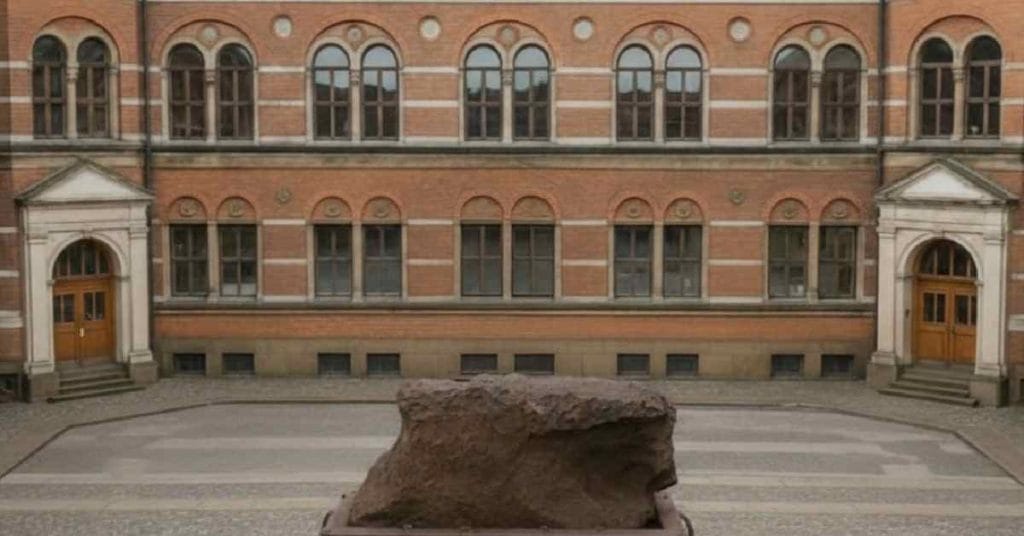
The museum is open year-round, offering ample opportunity for visitors to plan their visit. Furthermore, it is important to check the museum’s official website for current opening hours and any seasonal changes that may occur.
Generally, the museum welcomes visitors from Tuesday to Sunday. This is with closures typically on Mondays to allow for exhibit maintenance and preparations.
Getting to The Geological Museum
Copenhagen’s efficient public transportation system makes accessing the Geological Museum a breeze. The museum is situated near the city’s vibrant center, and you can easily reach it by taking a bus, metro, or S-train.

Furthermore, the Nørreport Station, one of the main transport hubs of Copenhagen and accessible by metro or train, is only a short walk away. If you prefer cycling, there are bicycle parking facilities at and around the museum. In addition, for visitors driving to the museum, some public parking options are available nearby. But bear in mind that spaces can be limited.
Conclusion
The Geological Museum in Copenhagen is not just a repository of natural wonders. It is a vibrant center for education, exploration, and inspiration. Home to an extensive array of geological treasures, it offers visitors a unique opportunity to travel through time, discovering the history and marvels of our planet. From ancient fossils to stunning mineral specimens, each exhibit tells a story of natural processes and evolution that have shaped the Earth.
Frequently Asked Questions about The Geological Museum
1. What are the opening hours of The Geological Museum?
The Geological Museum is generally open from Tuesday to Sunday, with closures on Mondays. However, it’s advisable to check the museum’s official website for the most up-to-date opening hours and any seasonal changes.
2. Is the museum accessible for visitors with disabilities?
Yes, The Geological Museum strives to be accessible to all visitors. There are facilities in place to assist those with disabilities, but it’s always a good idea to contact the museum ahead of a visit.
3. What is the best way to reach The Geological Museum?
The museum is easily accessible via public transportation options such as the bus, metro, and S-train. The Nørreport Station is a nearby transit hub. Cycling and limited public parking options are also available.
4. Are there dining facilities at the museum?
Yes, there is an on-site café where visitors can relax and enjoy light meals and beverages. It provides a pleasant setting to discuss the exhibits and unwind during a visit.