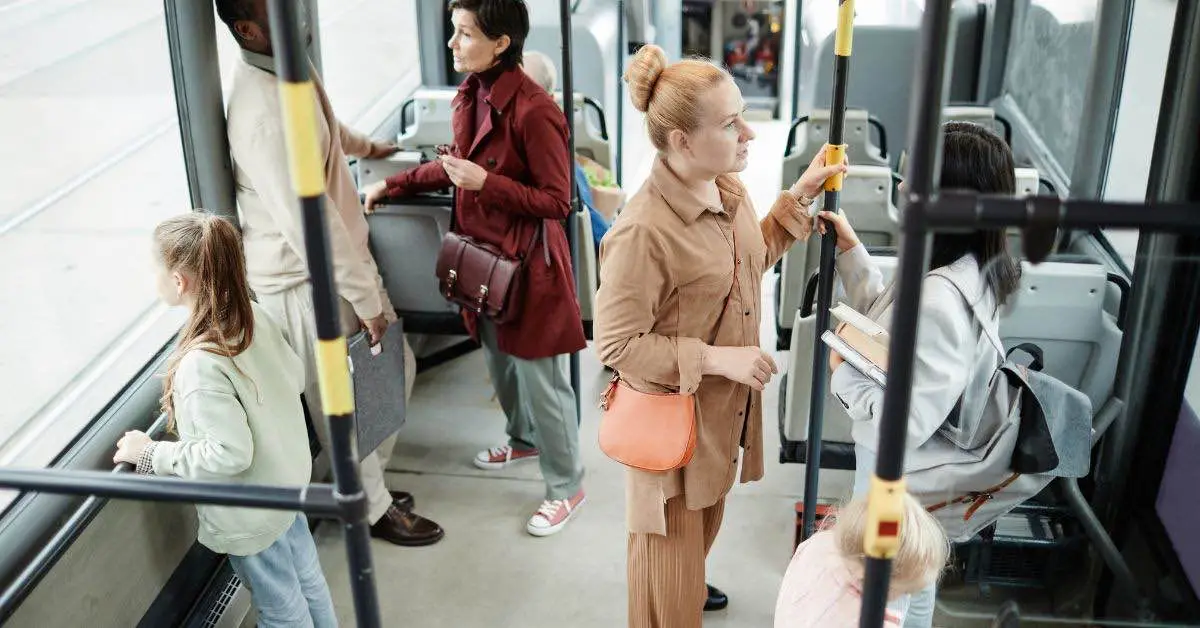
The Land Districts Council of Denmark is advocating for improved public transportation accessibility across the country to ensure that all residents, regardless of their location, can reach public transport within five kilometers.
Challenges Faced by Residents in Rural Denmark
For many residents in rural areas of Denmark, the need to drive a car for even the smallest errands is a common inconvenience, resulting from the limited availability of public transportation services. Steffen Damsgaard, the Chairman of the Land Districts Council, emphasizes that accessibility to public transport should not vary based on residence. Whether living in a small village like Fjaltring or a major city like Copenhagen, the local community must be well-connected to the rest of the country’s collective transport systems.
The Council has outlined a strategic plan focusing on five critical areas aimed at enhancing public transport accessibility:
1. Bus and Train Networks: These should become the backbone of regional and municipal public transport.
2. Integration of Mobility Options: Public transport should be supplemented with complementary mobility services.
3. Proximity to Transfer Points: Residents should ideally live within five kilometers or 15 minutes of a public transport transfer point.
4. Local and Regional Transport Systems: Collective transport services need to be well-integrated locally and regionally.
5. Transparent and Affordable Pricing: Making public transport pricing clear and accessible is essential for increasing ridership.
The Impact of Distance on Rural Communities
Heino Smed, a resident of the village of Fjaltring located by the North Sea, reflects on the implications of current transport challenges, particularly for his children. At present, traveling from Fjaltring to the nearest train station in Lemvig takes nearly an hour using a combination of flex taxis and buses. This distance creates barriers for children who wish to participate in social and educational opportunities, as they are often reliant on their parents for transportation.
Smed highlights that one in five households in rural areas do not have access to a car. This statistic underlines the urgency of improving public transport to ensure that all families, regardless of their means, can partake in community life and access essential services.
As part of their commitment to addressing these challenges, residents of Fjaltring are taking matters into their own hands by establishing a volunteer-run bus service. This initiative aims to facilitate transport for locals by providing rides from the village to and from major transit hubs. Heino Smed, a father of three, explains, “The bus will help our residents get to and from the local bus or train stations, making it easier for them to travel to other towns and access education and employment opportunities.”
This community-driven project exemplifies the proactive measures being taken to counteract the limitations of existing public transport. It signifies an important step towards fostering independence among rural populations who might otherwise struggle to connect with broader networks.
Future Visions for Danish Public Transport
The overarching goal of the Land Districts Council is to pave the way for a future in which all citizens across Denmark can live, work, and access educational opportunities without solely relying on personal vehicles. Such progress hinges on the collaborative efforts between the government, transportation authorities, and local communities, reinforcing the importance of public transport as a communal resource.
Advocates argue that by investing in improved public transport infrastructure and integrating different forms of transit, Denmark can create an inclusive system that supports all residents.
Importance of Inclusive Transport Policies
Denmark’s emphasis on inclusivity is essential for fostering vibrant rural communities. Residents with limited access to vehicles are often placed at a disadvantage when it comes to accessing job markets, educational institutions, and social networks. By implementing policies that enhance public transport access, the government can significantly improve the quality of life for rural residents.
With public transit systems that meet the Council’s proposed criteria, inhabitants of remote areas will have the ability to thrive, establishing connections with their urban counterparts and fostering equity in opportunities throughout the nation.
Denmark is at a crucial juncture where the evolution of public transport systems can determine the vitality of rural areas and the shared prosperity of the nation. As policymakers consider these recommendations, it is essential to recognize that effective public transport is a cornerstone of community resilience and integration.
By addressing the challenges that rural residents face and implementing comprehensive transport solutions, Denmark can take meaningful strides towards creating a more interconnected and egalitarian society. In doing so, the nation not only addresses current transport gaps but also sets a precedent for future advancements in public mobility.