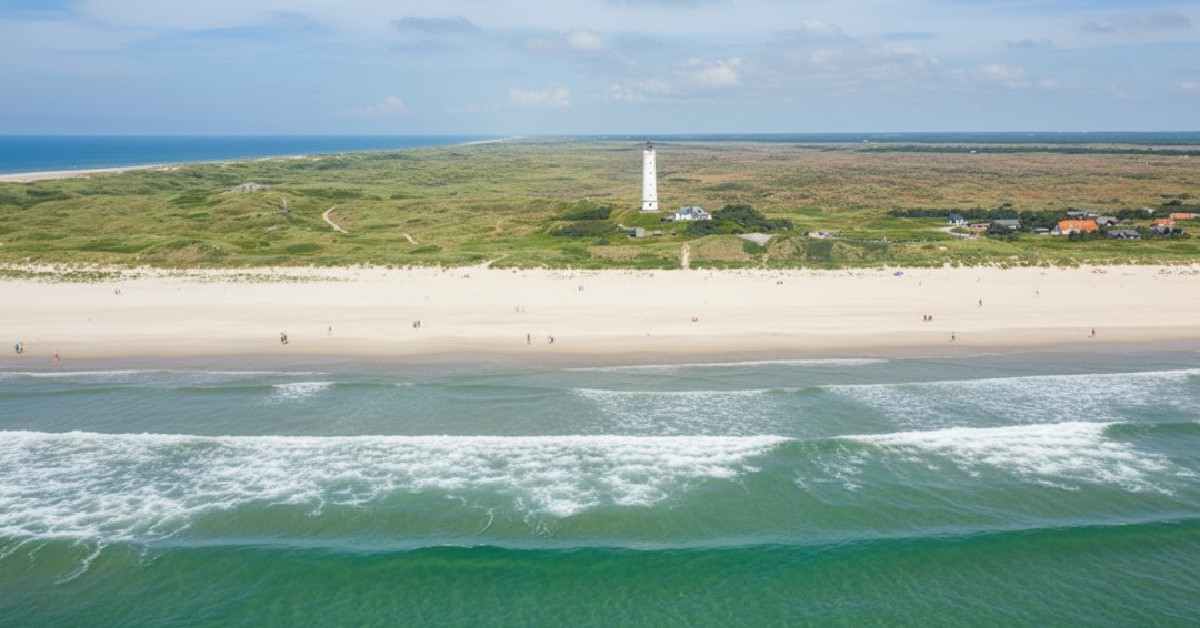
Blavandshuk is a captivating coastal region located on the westernmost tip of Denmark. Known as the westernmost point of the country, Blåvandshuk symbolizes Denmark’s adventurous spirit and serves as a scenic reminder of its maritime heritage. I had to see this westernmost point for myself, and ai can say that it is more than just a geographical landmark. It is an area of immense natural beauty, rich historical significance, and thriving biodiversity! Imagine how I felt getting here after the thrill of visiting Svinklov Klintplantage.
The Allure of Blavandshuk’s Natural Landscape
Nestled on Denmark’s North Sea coastline, Blåvandshuk offers a breathtaking panorama where land meets the sea in a dramatic embrace. The area consists of sandy beaches, rolling dunes, and aesthetically pleasing coastal heathlands. It is part of the larger Wadden Sea National Park, which is a UNESCO World Heritage Site. The Wadden Sea region is a crucial habitat for numerous bird species. And it supports an extraordinary array of wildlife, making Blåvandshuk an important site for nature enthusiasts and eco-tourists.
The unique landscape is also a paradise for outdoor lovers. The beaches of Blåvandshuk are clean and perfect for a variety of activities such as swimming, sunbathing, or taking long walks to enjoy the crisp sea air. For the adventurous, these areas offer opportunities for windsurfing, kitesurfing, and beachcombing. The inland heathlands and dunes create wonderful terrains for hiking and cycling. Thus, allowing visitors to immerse themselves in nature’s tranquility.
Historical and Cultural Significance
Blåvandshuk not only boasts natural beauty but also possesses a deep-rooted historical significance. The area has been strategically important throughout Danish history, serving as a vital maritime waypoint for shipping routes in the North Sea. During World War II, the region came under German occupation and was heavily fortified as part of the Atlantic Wall. The remains of these fortifications, such as bunkers and gun emplacements, can still be found today and serve as a sober reminder of a turbulent period in history.
A key feature of Blåvandshuk is the iconic Blåvandshuk Lighthouse, standing at 39 meters tall. Constructed in 1900, the lighthouse acts as a navigational guide in the treacherous waters of the North Sea and has become a beloved symbol of the region. The panoramic views from the lighthouse are simply breathtaking, offering a vantage point to gaze across the endless horizon.
Biodiversity and Wildlife Conservation
The surrounding Wadden Sea is one of the world’s most important intertidal ecosystems, especially famed for hosting the largest tidal flats system in the world. Every year, millions of migratory birds such as sandpipers, plovers, and geese use this area as a stopover during their epic journeys between breeding and wintering grounds. The diverse habitats around Blåvandshuk support a wide array of wildlife, including seals, porpoises, and rare plant species.
Efforts to preserve this precious ecosystem are ongoing, with strict controls on development and human activity within the park boundaries. Visitors to Blåvandshuk have the unique opportunity to observe wildlife in their natural habitat while practicing responsible and sustainable tourism. Lastly, programs and guided tours are available to educate tourists about the importance of conservation efforts.
Visiting Blavandshuk: A Practical Guide

When to Visit
The climate in Blåvandshuk is temperate, influenced by the North Sea. The best time to visit depends on what experiences you seek. During the summer months, from June to August, temperatures range from 15°C to 20°C (59°F to 68°F), providing pleasant weather perfect for beach activities and outdoor exploration. This period is ideal for hiking, birdwatching, or simply basking in the sun.
Autumn and spring, when temperatures range from 5°C to 15°C (41°F to 59°F), offer milder weather and fewer visitors. Therefore, making them great times for a more tranquil experience. These seasons also coincide with major bird migrations, offering spectacular wildlife viewing opportunities. Winter visits, while colder, allow for a unique experience where the landscape takes on serene, icy beauty. And the crashing North Sea waves create a dramatic scene.
How to Get to Blavandshuk
Blåvandshuk is accessible by various modes of transportation, making it relatively easy for both domestic and international visitors to reach. The nearest major airport is Billund Airport, located approximately 80 kilometers (50 miles) away. From here, you can rent a car or use public transport to reach Blåvandshuk.
If traveling by train, you can reach the nearby town of Esbjerg, about 40 kilometers (25 miles) from Blåvandshuk, and then continue via bus or taxi. Bus services run regularly. Although renting a car is often the most convenient way, offering the flexibility to explore the surrounding area at your own pace.
Tips for Visiting
To maximize your experience at Blåvandshuk, consider the following tips:
1. Plan Ahead: Blåvandshuk’s popularity means that accommodations can fill up quickly, especially during the peak summer months. Booking accommodations in advance is recommended. Whether you prefer a cozy beachside cottage, a campsite close to nature, or a more luxurious hotel stay, there are diverse options to fit any budget.
2. Dress Accordingly: The weather in Denmark can be unpredictable, particularly by the coastline. Dressing in layers and having waterproof clothing on hand ensures you remain comfortable regardless of the weather changes.
3. Sunrise and Sunset at the Lighthouse: Witnessing the sunrise or sunset from the Blåvandshuk Lighthouse is a truly magical experience. Arrive early to secure a good vantage point and bring a camera to capture the breathtaking views.
4. Respect Wildlife and Nature: Blåvandshuk’s wildlife is one of its most precious attributes. Visitors are encouraged to maintain a respectful distance from animals, follow the designated trails, and adhere to park rules.
5. Enjoy Local Cuisine: After a day of exploration, enjoying local Danish cuisine at one of the area’s restaurants can be a delightful experience. From fresh-caught fish to traditional Danish pastries, the local culinary scene offers delicious insights into Danish culture.
Blåvandshuk extends a warm invitation to all who wish to experience its wonders. A harmonious blend of adventure, history, and serenity awaits those who make the journey to this unique destination. Whether you are scaling the lighthouse or exploring the coastal dunes, visiting Blåvandshuk is a journey well worth taking.
Conclusion
Blåvandshuk stands as a captivating destination at the edge of Denmark, offering natural wonders, historical intrigue, and vibrant wildlife. From the majestic views atop Blåvandshuk Lighthouse to the serene beauty of its beaches and dunes, this westernmost point of Denmark invites exploration and appreciation. A testament to Denmark’s commitment to preserving its natural heritage, Blåvandshuk is a place where the past and present harmoniously coexist with the natural world.
Frequently Asked Questions (FAQs) about Blavandshuk
1. What is the best time of year to visit Blavandshuk?
The summer months (June to August) offer the best weather for outdoor activities, while autumn and spring provide excellent birdwatching and quieter surroundings.
2. How do I reach Blavandshuk Lighthouse?
Blavandshuk Lighthouse is accessible via a short walk from the nearby car park, and car rental is recommended to explore the wider area. Public transport options are also available from nearby towns, such as Esbjerg.
3. Can I swim at the beaches of Blavandshuk?
Yes, swimming is popular during the warmer months. However, always be mindful of weather conditions and safety notices, as the North Sea can sometimes be unpredictable.
4. Is there accommodation available near Blavandshuk?
There are various accommodation options ranging from campsites to hotels and rental holiday homes. Booking in advance is recommended, especially during the peak season.
5. What wildlife can I expect to see?
Birds such as plovers and geese are regularly spotted, along with marine life like seals and porpoises. This is particularly during migration seasons.
6. Are pets allowed in Blåvandshuk National Park?
Pets are generally allowed but must be kept on a leash to avoid disturbing wildlife and other visitors.
7. Is there dining available in the area?
Yes, there are several local eateries where visitors can enjoy Danish cuisine, particularly seafood and traditional dishes.
8. Are there any entrance fees for visiting the park?
There is generally no entrance fee to access Blåvandshuk or the lighthouse. However, some guided tours and parking facilities may require a fee.