The Møns Klint Museum (GeoCenter Møns Klint) is Denmark’s best window into 70 million years of geology, perched above the country’s tallest chalk cliffs. For expats craving real nature within reach of Copenhagen, this is the day trip that finally makes sense of the Danish landscape.
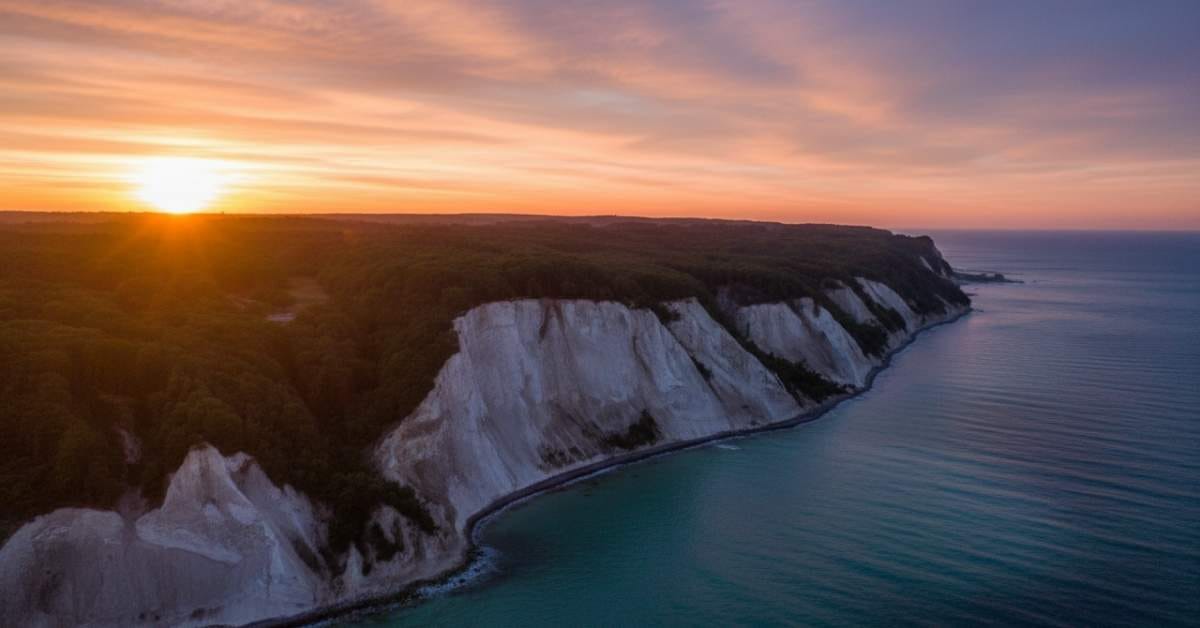
I have lived in Denmark long enough to grow tired of “flat and gray” as the national stereotype. Then you stand at the top of Møns Klint and the cliché falls apart. White cliffs drop straight into turquoise water. The Møns Klint Museum (GeoCenter Møns Klint) sits right behind them, ready to explain why.
This guide rebuilds the standard tourist pitch with real numbers, local knowledge, and honest advice. I will cover what the museum actually offers, how to get there, and whether it is worth your kroner. I will also flag the parts most blogs skip.
What Is the Møns Klint Museum (GeoCenter Møns Klint)?
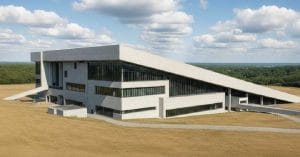
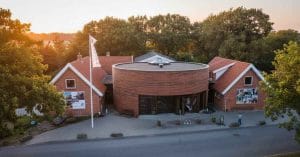
GeoCenter Møns Klint is a modern science museum built into the hillside above the cliffs. It opened in 2007 and sits near Borre, on the eastern tip of the island of Møn. The address is Stengårdsvej 8, 4791 Borre, roughly a two hour drive south of Copenhagen.
The building itself is worth noticing. It is partly buried, with a grass roof that blends into the beech forest. According to the official GeoCenter Møns Klint, the museum tells the story of the cliffs across deep time. That story starts in a tropical sea and ends with the last Ice Age.
The geology behind the white cliffs
The chalk here is not stone in the usual sense. It is the compressed remains of microscopic algae called coccoliths, laid down on a Cretaceous seabed. As reported by VisitDenmark, these layers formed around 70 million years ago.
The cliffs did not simply rise. Glaciers from the last Ice Age shoved and folded the chalk upward, a process geologists call glaciotectonics. That is why the white bands twist and tilt instead of lying flat. The museum explains this with models you can actually touch.
Numbers worth knowing
The cliffs stretch about 6 kilometers along the Baltic coast. The highest point, Dronningestolen, reaches roughly 128 meters above the sea. Those figures get repeated everywhere, but standing below them makes the scale land.
The famous wooden staircase down to the beach has close to 497 steps. I will be blunt. Going down is a joy, and climbing back up is a humbling cardio session for anyone used to the gentle terrain near Kalvebod Fælled.
Why the Møns Klint Museum Is Worth Visiting
Plenty of expats treat Danish museums as rainy day backups. The GeoCenter is different because it works as both an indoor exhibit and a gateway to the outdoors. You get the science inside, then walk straight into the landscape it describes.
The exhibits are hands on by design. There is a 3D cinema, a climbing wall, fossil identification stations, and gold panning that kids adore. As stated by the Danish Nature Agency, the surrounding forest and cliffs sit inside a protected reserve, so the museum doubles as an education center.
Fossil hunting on the beach
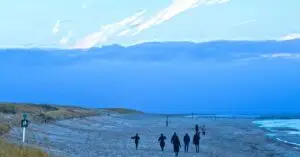
This is the part I always recommend. Down on the shoreline, you can hunt for real fossils from the Cretaceous sea. Sea urchins, belemnites, and shark teeth turn up regularly after storms and rockfalls.
The museum staff will help identify what you find. You are allowed to keep loose fossils from the beach, though digging into the cliff face is forbidden and dangerous. Rockfalls are frequent, so stay clear of the cliff base.
A genuine Dark Sky destination
Here is a fact most visitors miss entirely. In 2017, Møn and neighboring Nyord were certified as a Dark Sky Park and Dark Sky Community. As noted by DarkSky International, it was the first such designation in Denmark.
That means the night skies above the cliffs are exceptionally free of light pollution. If you stay overnight on the island, the stargazing rivals anything I have seen in Scandinavia. Bring a blanket and look up.
Planning Your Visit to GeoCenter Møns Klint
The museum operates seasonally, broadly from spring through autumn. Exact opening dates and hours shift each year, so check the official site before you drive down. Winter access to the cliffs themselves remains possible, but the GeoCenter usually closes.
Adult admission has hovered around 170 DKK in recent seasons, with discounts for children and families. The cliffs and forest trails are free to access at any time. You pay only for parking and for entering the museum building.
When to go
July and August bring the warmest weather and the biggest crowds. The car park fills fast on sunny weekends, so arrive before 10 am. The light on the white chalk at midday is genuinely blinding, in the best way.
For a calmer trip, aim for May, June, or September. The beech forest is luminous green in late spring and golden in early autumn. I prefer shoulder season here, when you can have whole stretches of beach to yourself.
How to get there from Copenhagen
By car, take the E47 south toward Vordingborg, then follow signs across the bridge to Møn. The drive runs about 130 kilometers and takes roughly two hours. Parking sits a short walk from the museum entrance.
Without a car, the trip is longer but doable. Take a train from Copenhagen to Vordingborg, then regional buses toward Stege and onward to Møns Klint. Budget around three hours, and check timetables carefully, because summer bus frequency is limited.
What to bring
- Sturdy shoes: the staircase and forest paths demand real footwear, not sandals.
- Layers: the Baltic wind bites even in July, so pack a windbreaker.
- Water and snacks: the café is good but small, and a picnic on the beach beats any queue.
- A bag for fossils: you will want somewhere to stash your finds.
- Cash is rarely needed: like most of Denmark, cards and phones rule, as covered in our guide on whether you need cash in Copenhagen.
Beyond the Cliffs: Making a Full Day of Møn
The mistake I see expats make is treating Møns Klint as a quick photo stop. The island rewards a slower pace. Within a short drive you can pair geology with romance, art, and small town charm.
Møn became part of a UNESCO Biosphere Reserve in 2017, recognizing its mix of nature and human heritage. That status reflects what makes the island special. It is lived in, farmed, and protected all at once.
Liselund and Høje Møn
A few minutes from the GeoCenter sits Liselund Manor, a small thatched palace in a romantic landscape garden. It is one of the prettiest spots in Denmark, and entry to the park is free. The combination of cliffs and manor makes a perfect half day.
For serious walkers, the wider Høje Møn area offers marked trails through ancient beech forest. The hikes range from gentle loops to demanding cliff top routes. Bird watchers should bring binoculars, since peregrine falcons nest here.
Stege, Fanefjord, and where to stay
Stege is the island’s main town, with old ramparts, a medieval church, and decent restaurants. Fanefjord Church holds remarkable medieval frescoes dating from around 1350. They are some of the finest church paintings in the country.
For accommodation, options span Camp Møns Klint, cozy bed and breakfasts, and design conscious country hotels. Many expats turn this into a weekend rather than a day trip. If you are weighing the wider region, our take on whether Copenhagen is worth visiting pairs well with a Møn escape.
My Honest Take as a Long-Term Expat
Denmark sells itself on hygge and design, but it undersells its raw nature. Møns Klint is the rare site that feels genuinely dramatic, and the museum gives that drama context. I have brought visiting family here more than once, and it converts skeptics fast.
If you only have time for one nature trip outside the capital, I would rank this above most options. It beats another afternoon in the museums of Copenhagen when the weather is good. Save the indoor culture for the gray months.
Frequently Asked Questions
How much does the Møns Klint Museum (GeoCenter Møns Klint) cost?
Adult admission has recently sat around 170 DKK, with reduced rates for children and family tickets. The cliffs and forest trails are free to access. You pay only for the museum building and for parking near the entrance.
Can I visit the Møns Klint cliffs without entering the GeoCenter?
Yes. The cliffs, the beach, and the forest paths are open to everyone, free of charge. The museum simply adds the science and the indoor experience. Many people walk the staircase and skip the building entirely.
Is GeoCenter Møns Klint good for children?
Very much so. The hands on exhibits, 3D cinema, climbing wall, and gold panning are built for curious kids. Fossil hunting on the beach keeps them engaged for hours. It is one of the better family days out in the region.
How many steps are there at Møns Klint?
The main staircase down to the beach has close to 497 steps. The descent is easy and scenic. The climb back up is the workout, so pace yourself and take the rest platforms along the way.
How do I get to Møns Klint from Copenhagen without a car?
Take a train to Vordingborg, then regional buses via Stege toward Møns Klint. The full journey takes about three hours each way. Check summer timetables in advance, because bus connections to the cliffs are limited.
When is the museum open?
GeoCenter Møns Klint runs seasonally, roughly from spring into autumn. Hours change year to year and around Danish holidays. Always confirm dates on the official website before traveling, especially in April, May, and October.
Are dogs allowed at Møns Klint?
Dogs are welcome on the outdoor trails and beach when kept on a leash. They are not permitted inside the museum building. Keep them close near the cliff edge, where the drop is severe.
The Bottom Line
The Møns Klint Museum (GeoCenter Møns Klint) turns a stunning view into a story you understand. You leave knowing why the chalk is white, how the cliffs rose, and what swam here 70 million years ago. That is rare in a single day out.
Pair the museum with Liselund, a beach fossil hunt, and a night under the dark sky. Then decide for yourself whether Denmark is really as flat as the postcards claim. I am betting the cliffs win the argument.
Sources and References
The Danish Dream: Geocenter Møns Klint The Danish Dream: Møns Klint The Danish Dream: Liselund Manor GeoCenter Møns Klint: Official Site VisitDenmark: Møns Klint Danish Nature Agency DarkSky International: Møn Dark Sky Park