Liselund Manor on the island of Møn is one of Denmark’s most captivating historic sites. Known for its romantic design and tranquil parkland, this small estate offers a unique glimpse into late-18th-century aesthetics and the landscape ideals of the Romantic era. Before exploring its architecture, history, and grounds in depth, here’s a brief introduction to what makes Liselund such a remarkable cultural treasure.
- Liselund Manor: A Romantic Architectural Gem: Nestled on Møn island, Liselund Manor exemplifies late-18th-century Romantic architecture, emphasizing harmony with nature and intimate design.
- The Romantic Vision and Heritage: Built between 1792 and 1795 by Antoine de Bosc de la Calmette as a tribute to his wife, the manor embodies the ideals of emotion, natural beauty, and neoclassical elegance.
- Emphasis on Natural Beauty in the Gardens: The manor’s 16-hectare park features lush gardens, ponds, grottoes, and exotic plants, reflecting Romantic landscape ideals and serving as a tranquil refuge.
- Cultural Significance and Architectural Charm: With its modest, white timber-framed house, Liselund has hosted artists and thinkers, maintaining its role as a hub for cultural gatherings and artistic inspiration.
- Visiting Tips and Practical Information”: Plan a 3-4 hour visit from April to October, consider guided tours, and explore the gardens and cultural events to enrich your experience.
Liselund Manor: A Hidden Gem of Romantic Architecture
Nestled amidst the picturesque landscapes of the island of Møn in Denmark is the enchanting Liselund Manor. This charming estate is more than just a testament to Neoclassical architecture; it is a celebration of love, nature, and the profound aesthetic movements of its time. Liselund Manor, despite its relatively secluded location, has carved out a niche for itself as one of Denmark’s beloved cultural landmarks, drawing visitors with its harmonious blend of history, architecture, and natural beauty.
The Romantic Vision
Liselund Manor is a product of the late 18th-century Romantic movement, a time when there was a burgeoning interest in natural landscapes, emotion, and individualism. This beautifully preserved site was commissioned by the French nobleman Antoine de Bosc de la Calmette, who served as the County Governor in Møn from 1777 to 1820. He dedicated this exquisite manor to his wife, Liselund de Brabant, whose name the property bears in a touching homage.
Constructed between 1792 and 1795, Liselund Manor is not a large or palatial estate compared to other European manors, which is precisely what makes it stand out. It embodies a modest yet sophisticated style that exudes warmth and intimacy. The manor represents the Neoclassical architectural trends of its time, characterized by its elegant proportions and symmetrical design, epitomizing how the movement emphasized harmony with nature and the surrounding landscape.

A Celebration of Nature
One of the most outstanding elements of Liselund Manor is its integration with the surrounding natural environment. The manorial grounds are a testament to the Romantic era’s adulation of nature, meticulously designed to create a picturesque setting that flows seamlessly with the existing landscape. The park, which spans approximately 16 hectares (around 40 acres), is a work of art in itself. It features lush gardens, serene ponds, charming grottos, and gently winding pathways lined with exotic trees and plants sourced from around the world.
The tranquillity of the park reflects the Romantic ideal of a landscape that serves both as an inspiration and a refuge for those seeking solace in nature. One particularly notable feature is the artificial lake at the center of the park, designed to reflect the changing colors of the sky and the vibrant foliage that surrounds it. These natural elements are carefully orchestrated to draw the eye and capture the imagination, making Liselund Manor not just a historical site but a living testament to Romantic sensibilities.
Architectural and Cultural Significance
Liselund Manor’s modest main residence, with its thatched roof and white timber-framed exterior, stands as a contrast to the grandiosity often associated with manorial estates of its era. This simplicity, however, is its charm, highlighting the importance of subtlety and taste over ostentation. The interior of the manor continues this ethos, with elegantly furnished rooms that provide a glimpse into the lifestyle of the nobility during the time of its construction.
Beyond its architectural beauty, Liselund Manor carries cultural significance as a site of intellectual and artistic gatherings. In the 19th century, it hosted numerous artists, writers, and thinkers, making it a hub for cultural exchange. This cultural heritage is preserved today, as the estate frequently hosts exhibitions, concerts, and various cultural events that keep the spirit of creativity and dialogue alive.

With its rich history, architectural charm, and breathtaking natural setting, Liselund Manor is a remarkable embodiment of the Romantic era’s ideals. It stands as a testament to a time when architecture was more than just about structures; it was about creating spaces that intertwined with life’s poetry. This unique and profound synthesis makes Liselund Manor an important site not only for Denmark but also for the broader understanding of 18th-century European culture and art.
Visiting Liselund Manor: A Journey Through Time
Exploring Liselund Manor is not just a visit; it’s an immersive experience into the Romantic era’s delicate interplay between architecture and nature. Whether you’re a history aficionado, an architecture enthusiast, or a nature lover, a trip to this serene estate on Møn island promises a unique and enriching adventure.
When to Visit
Liselund Manor is open to visitors from April to October, a period when the gardens are in full bloom, and the experience is at its most captivating. The peak visiting months are from May to August, when the weather is mild and the floral displays are at their most vibrant. During this time, the manor and its gardens become an enchanting scape of colors, sounds, and scents, offering an idyllic setting for exploration.
Visiting hours typically run from late morning to mid-afternoon, with specific timings subject to seasonal adjustments. It’s always a good idea to check the manor’s official website or contact the local tourist information center for up-to-date details on opening times.
How to Get There
Liselund Manor is conveniently accessible, located approximately 130 kilometers (about 80 miles) south of Copenhagen. The simplest way to get there is by car, which offers the opportunity to explore the scenic routes that Denmark is famous for. The drive from Copenhagen takes about two hours, providing ample time to appreciate the lush Danish countryside along the way.
For those relying on public transportation, regular train services operate from Copenhagen to Vordingborg. From Vordingborg, you can take a bus that connects to the nearest town on Møn, known as Stege. From Stege, local buses or taxis offer direct access to Liselund Manor.
Tips for Visiting
Plan your visit: Given that Liselund Manor is a site where history and nature converge, it’s worth planning your visit to make the most of both. Allocate at least three to four hours to explore the manor and its gardens fully.
Guided tours: To truly appreciate the historical and architectural nuances of Liselund Manor, consider joining a guided tour. These tours provide invaluable insights into the history of the manor, its former residents, and the artistic details that make it unique. Knowledgeable guides often share anecdotes and details that self-guided exploration might miss.
Gardening delight: Nature lovers should take their time meandering through the manicured gardens and paths. Each season brings its own allure, and exploring these natural wonders offers a restorative experience. Be sure to have your camera ready; the landscape is dotted with picturesque scenes perfect for capturing memories.
Stay informed: Before visiting, check the manor’s event calendar. Liselund Manor frequently hosts cultural events, concerts, and exhibitions, bringing an added dimension to your visit. Participating in these events enhances your experience and provides an authentic slice of Danish culture.
Pack a picnic: With its expansive gardens and serene ambiance, Liselund Manor is perfect for a leisurely picnic. Bring along some local Danish delicacies or your favorite snacks, and find a delightful spot in the gardens to relax amidst nature.
Accommodations and Local Delights
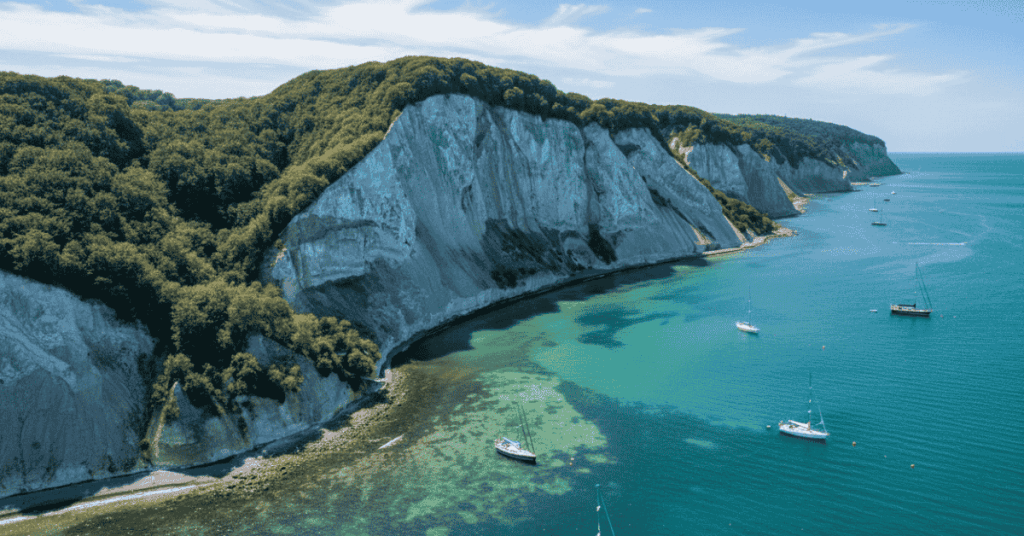
If you wish to extend your stay on the island of Møn, there are numerous accommodations ranging from charming bed and breakfasts to quaint local inns. Incorporating an overnight stay allows visitors to explore more of Møn’s attractions, including the famous white cliffs of Møns Klint.
Local dining options around Liselund Manor offer a taste of Danish cuisine. Look for eateries serving traditional dishes, where you can enjoy everything from hearty smørrebrød (open-faced sandwiches) to fresh seafood, all sourced from the surrounding waters.

In essence, a visit to Liselund Manor is not just a journey to a historical site; it’s an opportunity to step back in time and experience the harmonious union of culture, nature, and history, all set in the heart of Denmark’s captivating island landscape.
Conclusion: Liselund Manor — A Timeless Romance with Nature
Liselund Manor is more than a historical site; it is an emblem of the Romantic era’s profound relationship between architecture, nature, and human emotion. Nestled within the lush landscapes of Møn, this enchanting estate tells the story of love, artistic expression, and intellectual cultivation. As visitors wander through its tranquil gardens and elegantly crafted rooms, they are not just witnessing a piece of history—they are partaking in a visual and emotional journey that transcends time. Visitors leave not just with memories but with a deeper appreciation for the intricate balance between human creativity and the natural world.
Summary
– Liselund Manor, located on the island of Møn, Denmark, is a celebrated example of Romantic architecture, built in the late 18th century and dedicated to Liselund de Brabant.
– Its Neoclassical main residence and expansive 16-hectare gardens exemplify the Romantic era’s emphasis on harmony with nature.
– Open to visitors from April to October, the manor offers guided tours, cultural events, and opportunities for leisure activities like picnicking.
– Accessible from Copenhagen, it offers a journey back in time coupled with the chance to explore the surrounding Møn landscapes, including the famous Møns Klint.
FAQ about Liselund Manor
What is Liselund Manor and where is it located?
Liselund Manor is a historic estate located on the island of Møn in Denmark, renowned for its romantic design and tranquil parkland.
What is the historical significance of Liselund Manor?
Liselund Manor, built between 1792 and 1795, exemplifies Romantic era architectural ideals and has historically hosted artists and cultural gatherings.
When is the best time to visit Liselund Manor?
The best time to visit is from April to October, especially May to August, when the gardens are in full bloom and the weather is mild.
How can I get to Liselund Manor from Copenhagen?
You can drive from Copenhagen in about two hours or take a train to Vordingborg, then a bus or taxi to Møn and Liselund Manor.
What tips are helpful for planning a visit to Liselund Manor?
Plan for at least three to four hours, consider guided tours, and check the manor’s event calendar for cultural activities during your visit.