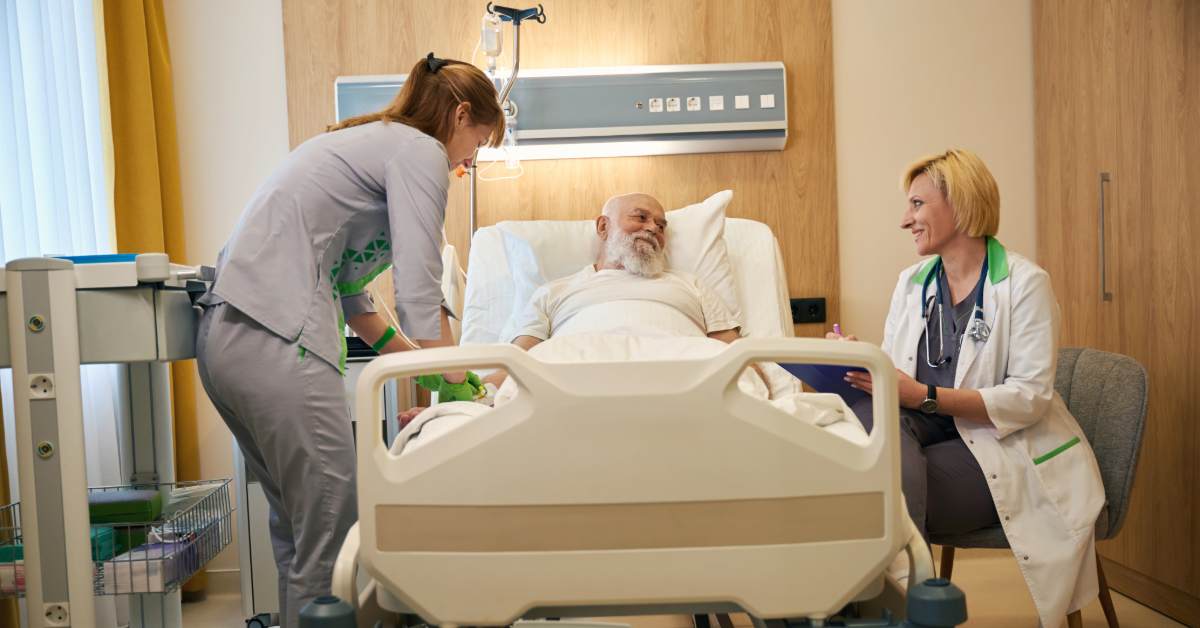
Thousands of hospital appointments go unattended in Denmark’s Central Jutland Region each year. Now, the region wants to understand why and is offering patients amnesty to speak up about their reasons for missing appointments. 


An effort to uncover why patients skip hospital visits
Each year, nearly 70,000 patients fail to show up for their scheduled hospital appointments in Denmark’s Central Jutland Region. The issue costs time and resources within the Danish healthcare system, but surprisingly little is known about why so many people simply do not turn up. To shed light on the problem, the region has hired anthropologist and researcher Charlotte Nørholm. Her task is to explore the many personal stories behind these missed appointments and learn what keeps some patients away. She believes there is always a reason behind each absence, whether it is misunderstanding, anxiety, forgetfulness, or something else entirely.Focusing on understanding, not blame
Rather than shame or punish those who skip appointments, Nørholm wants to create a safe space for explanation. She has opened what she calls a “no-penalty phone line,” inviting patients to anonymously share their stories about why they missed their hospital appointment. The initiative is inspired by a belief that most patients genuinely want to attend when they receive an appointment. After all, a doctor has determined that their case needs attention. But as Nørholm points out, the healthcare system is not equally easy for everyone to navigate. For some, the system feels too complex or intimidating. Others may face practical obstacles like transportation difficulties, language barriers, or confusion about the scheduling process.Phone line aims to reveal patterns
Although the phone line is now open, it has not yet been flooded with calls. Even so, Nørholm expects that over time the responses will reveal consistent patterns across certain groups. She already knows from other studies that some demographics are more likely to miss appointments. Her goal is to find concrete explanations that the system can address. Sometimes, a simple text reminder or clearer correspondence may make a big difference. Other times, support for social or mental health issues might help. Nørholm’s research could lead to small but meaningful changes that make care more accessible and communication more effective.Reducing waiting lists and wasted resources
Missed appointments create real consequences. Hospitals lose valuable staff time, waiting lists grow, and other patients must wait longer for treatment. By helping people feel comfortable enough to cancel in advance or actually attend, everyone stands to benefit. When people confirm or cancel in time, staff can reorganize appointments and use the time for others who need care. As Nørholm emphasizes, even a phone call to cancel can shorten waiting times for someone else. Her hope is that greater understanding will eventually lead to fewer no-shows and a smoother flow of patients across Danish hospitals. For a system already stretched in capacity, particularly after recent pressures in medical staff and infrastructure, such improvements could ease strain and improve efficiency for both professionals and patients. Meanwhile, the project in Central Jutland may serve as a model for other regions in Denmark interested in addressing similar challenges. Better insight into patient behavior could help regions fine-tune their approach to scheduling, communication, and patient support, including in private healthcare settings that already offer shorter waiting times, as discussed in private hospitals across Denmark.Understanding before reform
In the end, the project is less about punishment and more about empathy. By understanding people’s behavior, the region hopes to make hospitals more approachable and remove small but significant barriers standing between patients and their care. Once the study’s findings are compiled, they could contribute to meaningful reform. The free amnesty phone line may look like a small experiment, but in practice it might provide big lessons about how people interact with public systems in Denmark and beyond.Sources and References
The Danish Dream: Danish Healthcare Explained for Tourists and Expats The Danish Dream: Best Private Hospitals in Denmark for Foreigners DR: Region giver frit lejde til patienter, der bliver væk fra lægeafta ler