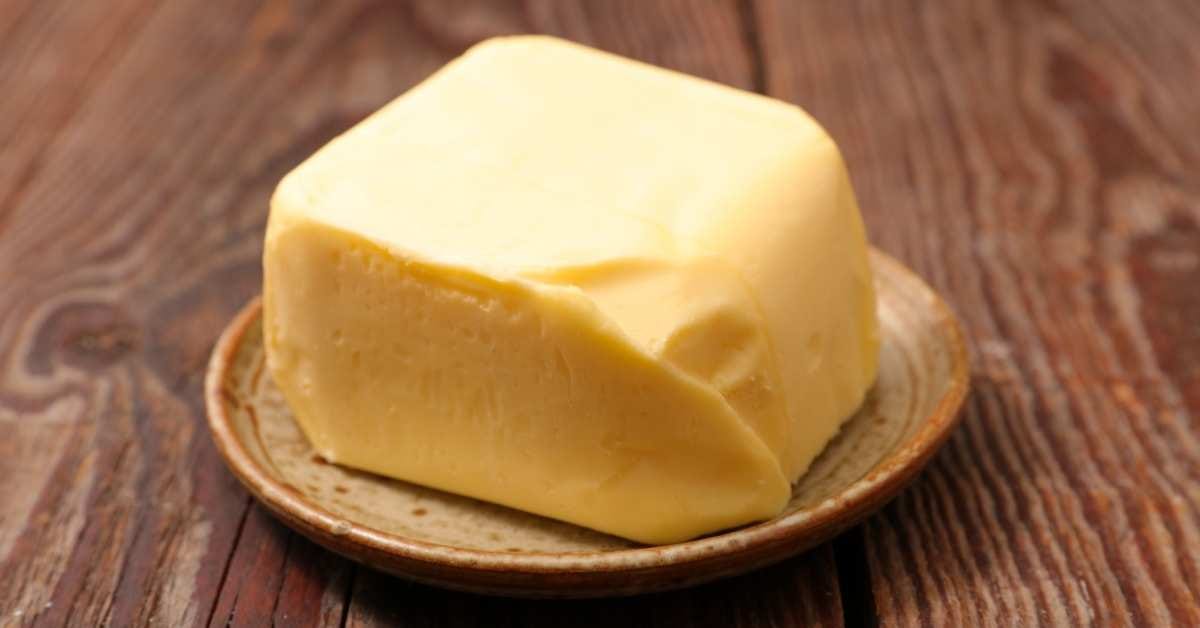
Butter prices across Denmark are plummeting ahead of Christmas, with some stores selling it for as little as six kroner. The sharp drop has sparked questions about why retailers are slashing prices so drastically and what it means for shoppers and producers.
Butter Prices Hit Record Lows Before Christmas
In Denmark, Christmas shopping season always brings a flurry of special offers. This year, one of the most striking deals involves butter, which has fallen from around 30 kroner per pack to as low as six in some grocery chains. It is a product that nearly every household needs for holiday baking and cooking, which makes it a natural candidate for aggressive discounts.
The dramatic price cut has left many wondering how supermarkets can afford such deep reductions. Retailers are taking a calculated risk. Price competition in Denmark is strong, especially before major holidays. Supermarkets often slash prices on essential goods to draw in shoppers, who usually end up filling their carts with much more than just cheap butter.

Why Supermarkets Choose to Sell at a Loss
Grocery chains often use products like butter, cream, or sugar as what economists call “loss leaders.” They set prices far below normal levels to attract customers into their stores. Even if the supermarket loses money on butter, it tends to make up for it when customers buy other items like potatoes, cakes, soda, and seasonal products.
Because of that, when someone goes shopping for a few packs of discounted butter, they usually end up spending hundreds of kroner overall. This strategy helps maintain competitiveness in a market where customers compare discounts across chains almost daily.
Interestingly, a similar trend affects general food prices across the region, influenced by policy and market conditions in neighboring countries.
How Much Butter People Actually Buy
While the low prices might make shoppers eager to stock up, most people buy just enough for the holiday season. There is no nationwide butter shortage, and production levels remain stable. Although consumption rises slightly in December, Danish dairy producers plan ahead for this uptick every year.
Supermarkets also place purchase limits on special deals, usually two to four packs per customer. That way, they can make sure many people can benefit from the low prices without emptying the shelves completely.

How Long Butter Can Be Stored
Some consumers wonder if buying extra butter makes sense when prices drop so steeply. According to food experts, butter will keep for two to three months in the refrigerator as long as it is tightly wrapped and protected from light, heat, and air. Proper storage keeps it from absorbing flavors from nearby foods.
For those wanting to store more, butter can also be frozen for up to six months without losing quality. This makes it practical to take advantage of temporary discounts, provided it is stored correctly.
The Bigger Picture Behind the Price Drop
The pre-Christmas butter sale is far from unusual. It has become part of a long-standing retail rhythm, where key ingredients for holiday dishes become temporarily cheaper. Danish stores use this opportunity to strengthen customer loyalty and attract more shoppers before the busiest holiday week.
At the same time, the increased competition among chains might reflect broader shifts in the country’s retail landscape, as chains compete to retain customer attention during inflationary pressures and rising costs in other sectors. For customers, this means that while some staple items like butter drop sharply in price, others remain unaffected.
On the other hand, these seasonal price drops remind consumers that they can still find good value if they are attentive. And since butter is an essential ingredient in much of Danish holiday cooking, from cookies to sauces, the timing could not be better.

Sources and References
The Danish Dream: Danish food prices under pressure as Sweden cuts food VAT
The Danish Dream: Best grocery stores in Denmark for foreigners
DR: Fra 30 til 6 kroner – derfor falder prisen på særlig madvare så meget op til jul