Denmark consistently ranks among the happiest and safest countries on earth, with tax-funded healthcare, strong social trust, and a work culture built around leaving the office on time. But what is it like to live in Denmark once the honeymoon ends? After years here, I can tell you it is rewarding, expensive, and quietly demanding in ways the brochures never mention.
- Getting started: You need a CPR number and MitID to unlock healthcare, banking, and almost every public service.
- Cost of living: Denmark is genuinely expensive, but high salaries and free healthcare offset much of the sting.
- Work-life balance: A 37-hour week, five to six weeks of holiday, and a culture that respects your evenings.
- Language and friendships: English gets you far, but Danish and patience get you in.
What Is It Like to Live in Denmark? An Honest Overview
Living in Denmark feels calm, orderly, and remarkably low-stress once you settle. The country placed second in the World Happiness Report 2025, behind only Finland. That ranking is not marketing fluff. It shows up in daily life.
You notice it in the small things first. Strangers leave babies sleeping in prams outside cafes. People trust the system, and mostly the system earns it. If you want the short version of whether Denmark is a good place to live, the answer is yes, with conditions.
Getting Started: CPR, MitID, and the Paper Trail
Moving here means paperwork before anything else, especially from outside the EU. Your first mission is the CPR number, Denmark’s personal ID that unlocks healthcare, banking, and your tax record. Without it, you barely exist administratively.
Next comes MitID, the digital login used for everything from banking to municipal letters. Once both are sorted, life smooths out fast. If you are still planning the jump, our guide on how to move to Denmark walks through visas and permits step by step.
Trust and Equality Run Deep
Danish society runs on trust and a stubborn sense of equality. Around 74 percent of Danes say most people can be trusted, one of the highest rates in the world. You feel that whether you land in Copenhagen, Aarhus, Odense, or smaller towns like Horsens.
There is also Janteloven, the unwritten code that frowns on showing off. It can read as cold at first, but it underpins the flat, informal culture. Read our take on Denmark culture shock before you arrive.
Cost of Living in Denmark: Is It Worth It?
Let me be blunt about the cost of living in Denmark. It is high, and Copenhagen is the priciest corner of it. According to Numbeo, a one-bedroom apartment in central Copenhagen often runs 10,000 to 14,000 DKK per month.
Everyday items add up too. A liter of milk sits around 12 DKK, and petrol hovers near 16 to 18 DKK per liter. Dining out is a luxury, not a habit, for most newcomers. For practical strategies, see our notes on managing the cost of living.
Salaries and Taxes Tell the Other Half
Wages are high, which is the part that makes the numbers work. The median monthly salary sits roughly around 47,000 DKK before tax, though it varies wildly by sector. Explore real ranges in our overview of salaries in Denmark.
Then comes the famous tax bill. The top marginal rate reaches about 55.9 percent, and even average earners pay a serious chunk. Those income taxes in Denmark fund the healthcare, education, and childcare that make daily life cheaper than the salary suggests.

What Is It Like to Live in Denmark for Work and Balance?
This is where Denmark genuinely shines. The standard working week is 37 hours, and most people honor it. Danes leave at 4 or 5 PM without guilt, often to collect kids from daycare.
Long hours signal poor planning here, not dedication. That mindset shapes the entire Danish work culture, which is flat, informal, and consensus-driven. If you want the deeper picture, our piece on work-life balance in Denmark covers it well.
Healthcare, Childcare, and Parental Leave
Healthcare is tax-funded and free at the point of use, assigned to you via your CPR. You get a personal doctor, and serious treatment costs nothing extra. Our explainer on Danish healthcare breaks down the details.
Families benefit even more. Denmark offers parental leave of around 52 weeks total, plus heavily subsidized childcare. As reported by the OECD Better Life Index, Danes score well above average on work-life balance.
Do I Need to Learn Danish?
Honestly, you can survive on English alone for years. Denmark ranks near the top of the EF English Proficiency Index, and almost everyone switches to English instantly. Our guide on whether they speak English in Denmark confirms it.
But surviving and belonging are different things. Municipal forms, deeper friendships, and many jobs still favor Danish. The pronunciation is brutal, yet our tips on learning Danish and a few Danish phrases go a long way.
Making Friends and the Hygge Factor
This is the hard part nobody warns you about loudly enough. Danes are warm but slow to open their circles, which were often set in childhood. Friendships take patience, repeated effort, and shared activities.
The reward is loyalty that lasts. The social glue here is hygge, the cozy ritual of candles, coffee, and unhurried company. Lean into Danish hygge and read our advice on how to make friends in Denmark.
Transportation and Getting Around
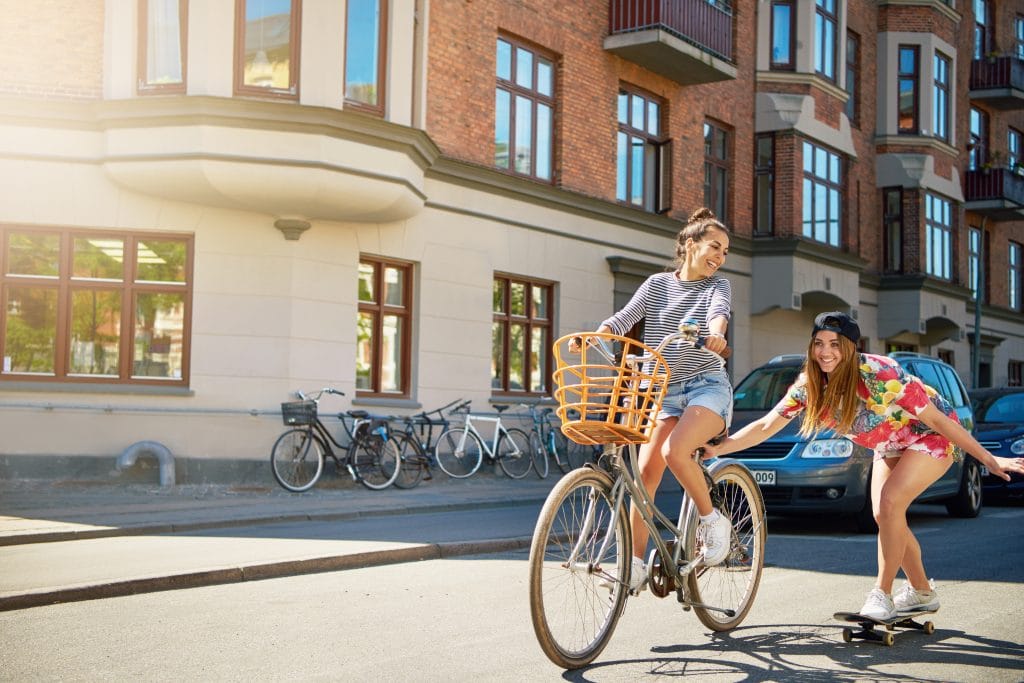
Denmark moves on two wheels, and Copenhagen is the cycling capital of the world. Bikes outnumber cars in the city center, with dedicated lanes everywhere. Trains and buses cover the rest, though tickets are not cheap.
A bike pays for itself within weeks and keeps you sane in traffic. Our cycling in Copenhagen guide and the public transport overview cover commuting options. If you prefer four wheels, check driving in Denmark first.
The Weather: The Real Test of Living in Denmark
Nobody moves to Denmark for the sunshine, and the winters prove it. December daylight shrinks to about seven hours, and gray skies linger for weeks. The country sees roughly 170 days of rain a year.
Summers, though, are glorious and long, with light past 10 PM. The trick is dressing for it and embracing the indoor coziness Danes have perfected. Our Denmark weather guide tells you what to expect.
Pros and Cons of Living in Denmark
Every country trades something. Here is the honest ledger after years on the ground.
Pros
- Tax-funded healthcare and education, free at the point of use.
- One of the safest countries in the world, with very low crime.
- Genuine work-life balance and generous parental leave.
- Near-universal English fluency among locals.
- High trust, clean cities, and excellent public services.
Cons
- A very high cost of living, especially Copenhagen rent.
- Steep taxes that shrink your take-home pay.
- Long, dark, wet winters that test your mood.
- Making local friends takes serious time and effort.
- Bureaucracy can feel cold and impenetrable in Danish.
What Is It Like to Live in Denmark by City?
Where you land changes the experience a lot. Copenhagen offers buzz, jobs, and the highest prices in the country. Aarhus gives you a younger, student-heavy energy for less money.
Odense and Aalborg are calmer and far cheaper, with shorter commutes. Compare your options in our guide to the best places to live in Denmark. For housing strategy, start with renting in Denmark.
Tips for Expats Moving to Denmark
- Budget hard early. Deposits and first rent can swallow three months upfront.
- Secure housing before you arrive. Competition in big cities is fierce.
- Get your CPR and MitID first. Nothing works without them.
- Open a local bank account. See our best bank for foreigners guide.
- Buy a bike and good rain gear. Both are non-negotiable.
- Say yes to invitations. Friendships start at shared dinners and clubs.
For the bigger picture, our roundup of the top reasons to live in Denmark balances the gripes with the genuine joys. And if you are coming from across the Atlantic, read how to move to Denmark from the USA.
Final Thoughts: Is Denmark Right for You?
Living in Denmark can be one of the best decisions you make, if you arrive with open eyes. It rewards patience, curiosity, and a thick skin for winter. It punishes anyone expecting instant warmth or cheap living.
For the right person, the trade is more than fair. You get safety, balance, and a society that mostly works. Welcome, or as we say here, velkommen.
FAQ
What is it like to live in Denmark as a foreigner?
It is safe, orderly, and high in quality of life, but expensive and socially reserved. Most foreigners praise the healthcare, work-life balance, and English fluency. The hardest parts are the cost, the dark winters, and making close Danish friends.
What do I need to settle in Denmark as a newcomer?
You need a CPR number and a MitID digital login first. These unlock tax-funded healthcare, banking, housing contracts, and municipal services. Without them, daily administrative life in Denmark is nearly impossible to navigate.
Is living in Denmark expensive?
Yes, Denmark is one of Europe’s most expensive countries, especially Copenhagen. Rent, groceries, and dining out all cost more than the EU average. High salaries and free healthcare and education offset much of that expense over time.
How good is work-life balance in Denmark?
Excellent, and it is central to Danish life. The standard week is 37 hours, with five to six weeks of paid holiday. Most people leave work by 4 or 5 PM to spend time with family.
Do I need to learn Danish to live in Denmark?
Not to survive, since almost everyone speaks fluent English. But Danish helps with official paperwork, jobs, and deeper friendships. Many municipalities offer free or low-cost Danish courses for newcomers.
Sources and References
World Happiness Report: Country Rankings OECD: Better Life Index Denmark Numbeo: Cost of Living in Copenhagen EF: English Proficiency Index Life in Denmark: Official Newcomer Portal