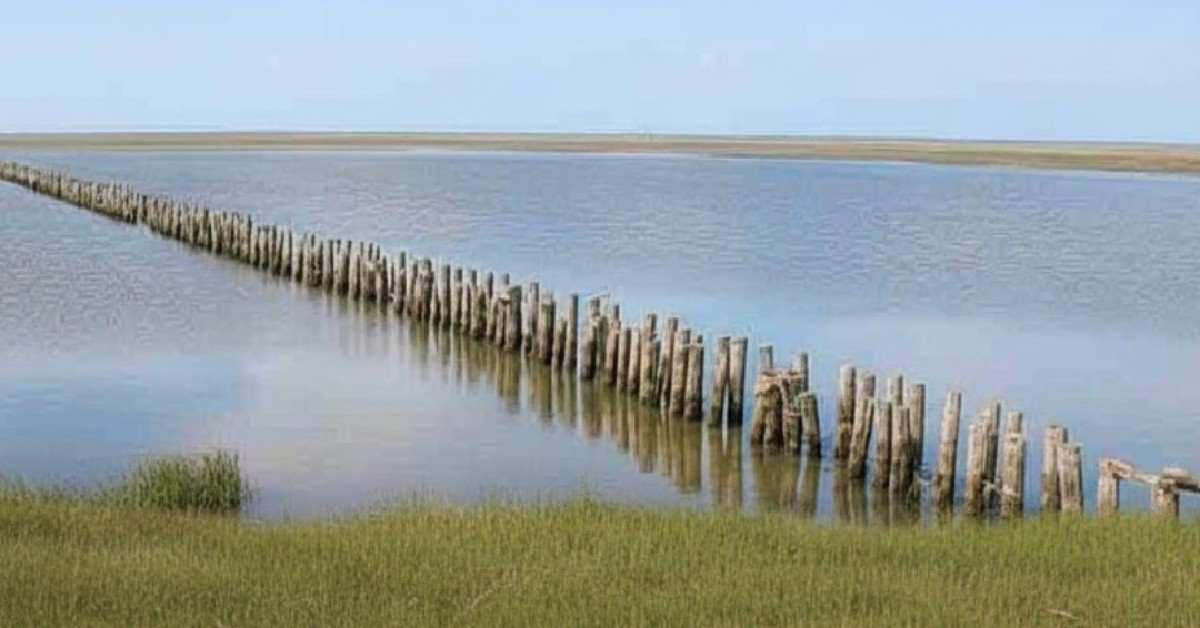
Vadehavet, known in English as the Wadden Sea, is a natural treasure located in the southwest of Denmark. This captivating coastal region was the next Danish national park on my list after Rebild Bakker. And it didn’t disappoint my curiosity. As one of the largest unbroken systems of intertidal sand and mudflats, Vadehavet stretches across the coasts of Denmark, Germany, and the Netherlands. However, it is the Danish segment that captures the imagination with its vibrant biodiversity, vast landscapes, and profound ecological significance.
Why Vadehavet is a Place of Global Importance
Vadehavet is recognized as a UNESCO World Heritage Site, an accolade it received due to its rich biodiversity and the unique ecological processes it supports. Spread over an impressive 1,460 square kilometers in Denmark alone, this coastal ecosystem is among the most important tidal flats in the world. Additionally, it is a sanctuary for a variety of plant and animal species. Thus, making it a pivotal site for both scientific research and conservation efforts.
One of the most compelling reasons for Vadehavet’s fame is its role as a critical stopover on the East Atlantic Flyway. Also, this migratory route is used by millions of birds each year. During peak migration seasons, Vadehavet hosts up to 10-12 million birds. Therefore, offering a spectacular sight as vast flocks fill the skies, creating an awe-inspiring avian ballet. Moreover, species such as the barnacle goose, oystercatchers, and northern pintails are commonly seen, making it a birdwatcher’s paradise.
The Ecological Significance of Vadehavet
The ecological richness of Vadehavet cannot be overstated. This dynamic environment, driven by tidal forces and sediment transport, creates a continually evolving landscape of sandbanks and mudflats. Besides, these intertidal zones are essential feeding grounds, not only for birds but also for various marine species. The area supports significant populations of harbor seals and gray seals, which bask on its sandbanks.
Additionally, the nutrient-rich waters of Vadehavet provide a thriving habitat for an extensive array of invertebrates and fish species. One of the area’s unique ecological features is the presence of the European flat oyster.
Cultural and Historical Insights
Beyond its natural wonders, Vadehavet holds cultural and historical significance. Furthermore, the relationship between the local communities and the sea has shaped a rich cultural heritage. Traditional practices such as oyster harvesting, shrimp fishing, and sheep farming on the marshlands have been passed down through generations. And they are an important part of the local economy and culture.
The area also bears historical witness to human resilience and adaptation. Over centuries, the local inhabitants have built dikes and drainage systems to manage the ever-changing landscape, showcasing human ingenuity and adaptability. This interaction between people and nature is not just a story of survival but also one of coexistence. Hence, making Vadehavet a shining example of sustainable living rooted in tradition.
A Beacon of Conservation Efforts
Conservation is at the heart of Vadehavet’s importance. The area’s designation as a UNESCO World Heritage Site underscores global recognition of the need to preserve its unique natural beauty and ecological functions. Various initiatives and efforts are undertaken to maintain the site’s integrity, protect its wildlife, and ensure that human activities do not disrupt its delicate balance.
Research programs are actively conducted in the region to monitor environmental changes and support biodiversity conservation. These efforts are crucial in the face of climate change, which poses significant threats to the coastal ecosystems’ stability. By protecting Vadehavet, Denmark contributes not only to regional conservation but also to global environmental sustainability.
Vadehavet is not just a natural marvel. It is a testament to the interdependency of ecosystems, cultural heritage, and human stewardship. Its importance transcends borders, making it a place of profound ecological, cultural, and scientific relevance.
Planning Your Visit to Vadehavet
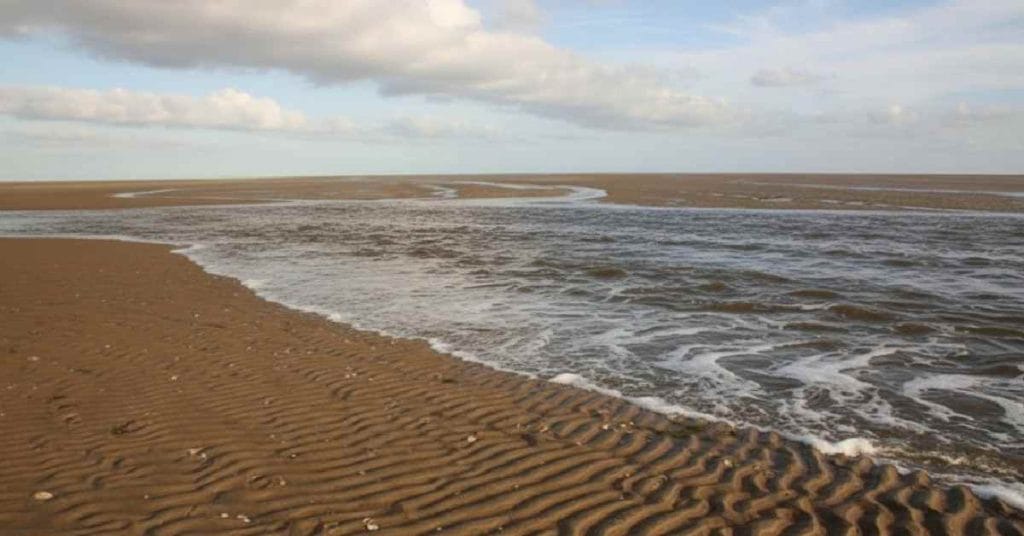
Vadehavet is a mesmerizing destination that lures nature enthusiasts, birdwatchers, and cultural explorers alike. Its vast landscapes, teeming wildlife, and rich history offer a multitude of experiences for visitors. Planning a visit to this remarkable site requires a bit of knowledge to make the most of your time in this unique region.
When to Visit Vadehavet
The best time to visit Vadehavet largely depends on what you wish to experience. For birdwatchers, the ideal times are during the spring and autumn migration periods, typically from April to May and again from August to October. During these months, millions of migratory birds, representing about 10-12 million individuals, stopover in the tidal flats to rest and feed. Thereby, offering an unparalleled birdwatching spectacle.
Summer also provides a delightful experience, as the warmer weather is perfect for exploring the outdoors. The mild temperatures, averaging between 15°C to 20°C (59°F to 68°F), provide comfortable conditions for activities such as hiking, cycling, and guided tours. Winter, though colder and quieter, offers a serene atmosphere with opportunities to witness the unique wildlife interactions that occur in the colder months.
How to Get There
Vadehavet can be accessed from several points in Denmark, the most notable being the towns of Ribe and Esbjerg. Both towns offer easy access to the Wadden Sea National Park, which encompasses the Danish part of the Vadehavet. Esbjerg is the largest city in the area and provides excellent transport connections, including train services from Copenhagen, which takes approximately three hours.
For visitors arriving by car, the drive from Copenhagen to Vadehavet via the E20 and Route 11 takes around four hours. Hence, making it a feasible destination for a road trip. Public transportation within the region is also available, with buses operating between key towns and attractions.
Exploring Vadehavet
1. Guided Tours and Activities: To maximize your experience, consider joining a guided tour. These tours are led by knowledgeable locals or park rangers who provide insightful information about the ecology, wildlife, and history of the area. Popular activities include mudflat walking tours, seal safaris, and birdwatching excursions. Engaging in these activities offers a closer look at the wonders of Vadehavet.
2. Visit the Wadden Sea Centre: Located near Ribe, the Wadden Sea Centre is an excellent starting point for your adventure. With interactive exhibits and informative displays, the center offers a comprehensive overview of the region’s ecological and cultural importance. It serves as an educational gateway, enhancing your understanding and appreciation of what you will witness firsthand during your visit.
3. Embrace the Outdoors: Vadehavet is a paradise for outdoor enthusiasts. Equip yourself with a good pair of sturdy boots or walking shoes, especially if you plan to explore the mudflats or hiking trails. Biking is another popular way to cover more ground while experiencing the area’s breathtaking landscapes, allowing you to connect with nature at your own pace.
4. Respect the Environment: As a significant ecological site, it is crucial to follow guidelines and respect the local wildlife. Stay on designated paths, refrain from disturbing animals, and ensure you leave no trace by disposing of waste properly. These practices will help preserve the delicate balance of this environment and ensure it remains unspoiled for future generations.
5. Savor Local Delicacies: Don’t miss the opportunity to sample regional cuisine. The area around Vadehavet is known for its fresh seafood, particularly oysters and shrimp. Visiting local restaurants and cafes offers a chance to indulge in authentic Danish flavors and the region’s hospitality.
Conclusion
Vadehavet, with its expansive tidal flats and vibrant biodiversity, stands as a testament to the beauty and complexity of nature. This UNESCO World Heritage Site in Denmark is a sanctuary for wildlife and a beacon of ecological conservation. Its rich cultural heritage and breathtaking landscapes offer an unforgettable experience for all who visit. By exploring its diverse ecosystems and engaging in sustainable tourism, visitors contribute to the preservation of these pristine habitats while gaining an appreciation for one of the world’s most important intertidal zones.
FAQs about Vadehavet
1. What is Vadehavet?
Vadehavet, or the Wadden Sea, is an international coastal area consisting of intertidal flats and wetlands along the coasts of Denmark, Germany, and the Netherlands. It is renowned for its ecological importance and biodiversity.
2. Why is Vadehavet important?
Vadehavet is important because it serves as a critical stopover for millions of migratory birds and supports a wide range of plant and animal species. Its ecological value has earned it a UNESCO World Heritage Site designation.
3. When is the best time to visit Vadehavet for birdwatching?
The best times for birdwatching are during the spring migration (April to May) and the autumn migration (August to October), when millions of birds pass through the area.
4. What activities can I do at Vadehavet?
Visitors can engage in various activities such as guided mudflat walking tours, birdwatching, seal safaris, and exploring the Wadden Sea Centre. Outdoor activities like hiking and cycling are also popular.