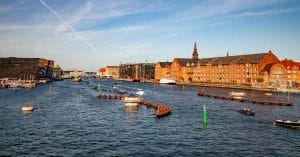
Situated in the sweet serenity of the South Funen Archipelago, AEro is a Danish island that beckoned to me with its old-world charm and stunning landscapes. I basked in its vibrant atmosphere of rich history, culture, and natural beauty. It truly has the right to be called an idyllic island. That was my solemn conclusion.
Ærø showcases a blend of captivating villages, rolling hills, and clean beaches. From the cobblestone streets of Ærøskøbing, often referred to as Denmark’s “Fairy-tale Town,” to the diverse ecosystems and scenic coastlines, Ærø stands as a testament.
The Island’s Historical Significance and More
This island’s strategic location in the Baltic Sea has seen it play a crucial role in maritime activities for centuries. The island spans approximately 88 square kilometers, supporting a population of about 6,000 people. Thus, highlighting its intimate community feel amidst its breathtaking expanses.
Also, the island’s history stretches back to the Middle Ages, and it found its most notable period during the 1600s. This was when the town of Ærøskøbing was founded in 1250, becoming a bustling market town due to its significant harbor. The town is a living museum of half-timbered houses and cobblestone streets. Thereby, earning it a well-deserved place on the European Commission’s heritage list.
AEro: A Haven for Architecture and Design Enthusiasts
Architecturally, Ærø is a delight for history buffs and design enthusiasts alike. Ærøskøbing, in particular, stands as a perfectly preserved specimen of Danish urban development during the late Middle Ages. This is with its structures and town planning giving insights into the architectural trends that dominated centuries ago.
Walking through the town is akin to stepping back in time, with the half-timbered houses, each painted in a kaleidoscope of colors, illustrating the quintessential Danish charm. Watch out for the majesty of the Ærøskøbing Church, which dates back to 1756 and remains an active focal point for community life.
Exploring Ærø’s Natural Beauty
Beyond its historical and architectural appeal, Ærø captivates with its enchanting natural landscapes. The island’s coastline stretches over 167 kilometers, dotted with sandy beaches, cliffs, and bluffs that provide both breathtaking views and serene spots. Visitors can immerse themselves in the unspoiled beauty of the Bregninge Hills, the panoramic viewpoints atop the island’s high hills, or the serene waters of Marstal Bay.
For those fond of outdoor activities, the island offers extensive cycling paths and hiking trails. With long summer days and relatively mild winters, Ærø’s diverse landscapes offer year-round beauty and adventure.
Culture of AEro
Ærø is more than a place of outstanding natural charm and historical significance. It is a vibrant cultural hub that hosts numerous cultural festivals and events throughout the year; drawing artists, musicians, and visitors from all over the world. This is from the charming summer concerts at Ærø Museum and the abundant local markets where artisans showcase their crafts, to the renowned Ærø Jazz Festival. Moreover, its artistic community has led to a number of intriguing art galleries scattered across the island.
Planning Your Perfect Visit to AEro: Travel Tips and Timing

When to Visit
While Ærø is a year-round delight, the island shines its brightest during the late spring and summer months, from May to September. During this period, visitors can bask in mild and sunny weather, with temperatures averaging around 20°C (68°F). The island’s natural landscapes truly come to life as wildflowers bloom and wildlife becomes more prominent.
Summertime also sees a bustling calendar of events and festivals, notably the vibrant Ærø Jazz Festival, which captivates music lovers. For those interested in experiencing the quiet, serene side of the island, the off-peak months in the fall and winter can be particularly charming. This is with cooler temperatures and fewer tourists. However, note that some businesses and attractions may operate on limited hours during the off-season.
How to Get to AEro
Due to Ærø’s location, access requires a little more planning but adds to the adventure of reaching this enchanting destination. The most common route is via ferry, which provides an authentic maritime experience. This is as travelers cross the waters of the South Funen Archipelago. Ferries operate services from several locations, including Svendborg, Fåborg, and Rudkøbing on the Danish mainland. The journey typically takes between 60 to 90 minutes depending on the starting point. It is advisable to book ferry tickets in advance, especially during the peak tourist season, to secure a spot and avoid scheduling conflicts.
For those traveling internationally, reaching Ærø involves flying into one of Denmark’s major airports, with Copenhagen Airport being a popular choice. From there, a train or bus will take you to one of the ferry terminals, where you can begin your scenic journey to the island. The unique travel path to Ærø allows for a taste of Danish countryside and maritime heritage even before you set foot on the island.
Getting Around the Island
Once on the island, getting around Ærø is a breeze. The island’s size makes it ideal for exploration by bicycle and foot, allowing visitors to appreciate the serene environment in an eco-friendly manner. Ærø is renowned for its well-maintained cycling paths.
Public transportation is also available in the form of local buses, which connect the main towns of Ærøskøbing, Marstal, and Søby. This service is practical and user-friendly, making it a convenient option for navigating between towns. For those wishing to explore more independently, hiring a car upon arrival is a viable option. Hence, providing flexibility to explore Ærø’s hidden corners and less accessible attractions at your leisure.
Conclusion
With its compelling blend of history, natural beauty, and cultural vibrancy, Ærø remains an alluring destination. This island weaves together the threads of its storied past with the present day. Thereby, offering visitors a chance to explore fairy-tale towns, stunning coastlines, and an intimate island community. Whether you spend your time cycling through its scenic routes, exploring the charming villages, or indulging in the local culture, Ærø guarantees a delightful escape that captures the heart and inspires the soul.
FAQs about AEro
1. What is the best time to visit AEro?
The best time to visit Ærø is from May to September, when the weather is mild and conducive to outdoor activities. This period also features various cultural events, making it the most vibrant time on the island.
2. Can I travel around AEro without a car?
Yes, Ærø is easily navigable without a car. The island offers extensive cycling paths, and the local bus service effectively connects key towns and attractions. Biking is particularly recommended for a scenic and eco-friendly travel experience.
3. Are there accommodations available on the island?
AEro offers a range of accommodation options, including bed-and-breakfasts, boutique hotels, and guesthouses. It’s best to book in advance, particularly during peak tourist seasons, to secure the most suitable lodging for your stay.