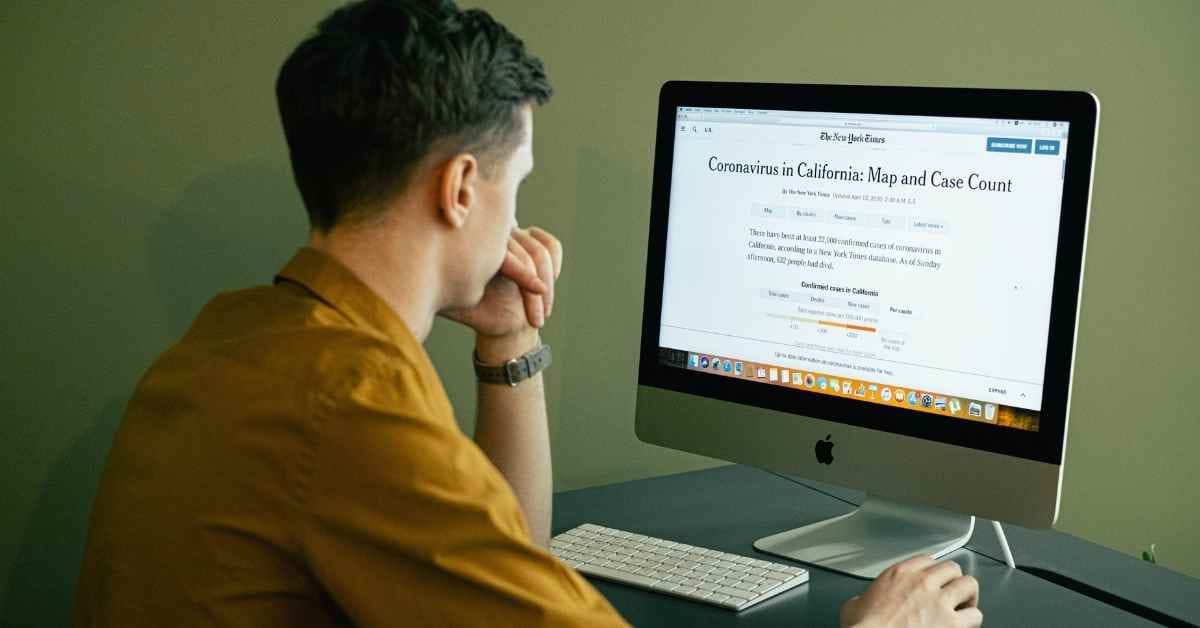
A viral Facebook post claiming to reveal the wishes of dementia patients has sparked debate in Denmark about emotional manipulation and health misinformation on social media.
The post, flagged by DR, urges people to lie to dementia patients and talk about their past. It spread rapidly across Danish feeds, shared thousands of times by users who believed they were advocating for compassionate care. The problem is that the advice mixes legitimate reminiscence therapy with unverified claims about what all dementia patients supposedly want.
I have watched this pattern unfold repeatedly during my years here. Denmark prides itself on high trust and relatively low fake news concerns. But emotional health content slips through those defenses like water through fingers.
The Misinformation Problem
Sundhedsstyrelsen reported a 25 percent rise in health related misinformation on Danish social media in 2025. Much of it involves dementia myths wrapped in personal family anecdotes. These posts blend real experiences with exaggeration, creating stories that feel authentic but distort what actual care requires.
The algorithm loves this stuff. Emotional posts about family illness get shared three times more often than other content. Facebook’s system amplifies empathy without fact checking. The result is a feedback loop where misleading advice reaches tens of thousands before anyone questions it.
Denmark has roughly 90,000 dementia cases as of 2026. Alzheimerforeningen reports that 70 percent of family caregivers now use social media as a primary information source. That makes viral misinformation particularly dangerous here.
Real Consequences for Families
Gitte Sander, a couples therapist, has documented how social media posts revealing lies in relationships, including dementia contexts, erode trust. She sees this dynamic in 64 percent of therapy cases involving digital jealousy or information sharing. The viral post in question tells people to lie to patients, framing deception as care.
Some of this stems from genuine caregiver burnout. I understand the impulse to share what feels like a breakthrough. But mixing valid treatment approaches with unverified claims creates confusion about what dementia patients actually need. It also risks violating GDPR rules on health data, which protect sensitive medical information.
The broader impact goes beyond individual families. Research from SDU found that 2.1 percent of Danes, about 86,000 people aged 16 to 64, show signs of social media addiction. These users face twice the depression risk and increased relationship isolation. Passive scrolling through emotionally charged health content amplifies both problems.
Where Regulation Falls Short
The EU’s Digital Services Act, enforced since February 2024, requires platforms like Facebook to remove illegal health misinformation within 24 hours. Denmark’s Medieansvarsnævnet handled 150 social media complaints in 2025, with 20 percent related to health claims.
But enforcement remains patchy. The DSA focuses on clearly illegal content. Posts like this dementia advice sit in a gray zone. They are not outright fraud. They just mix enough truth with distortion to seem credible. Platforms struggle to moderate that middle ground without restricting legitimate sharing.
Living here, I have seen how this complicates Denmark’s typically straightforward approach to public information. The national dementia plan allocates 500 million kroner for care between 2022 and 2026. Yet misinformation undermines those investments by spreading confusion about best practices.
Alzheimerforeningen has stated that social media can help raise awareness, but only with proper sources. The organization recommends that anyone sharing dementia advice link to verified medical guidance. Few viral posts bother with that step.
What This Means for Expats and Caregivers
For those of us navigating Danish healthcare as expats or supporting aging relatives, this matters practically. You cannot trust everything that goes viral, even in a high trust society. Emotional resonance does not equal accuracy.
The post also reflects broader issues with how Denmark handles elderly care information online. With 64 percent of Danes using Facebook daily, the platform shapes perceptions of what constitutes good care. When misinformation spreads faster than corrections, families make decisions based on flawed advice.
I remain cautiously optimistic that awareness is growing. More Danes now question health claims before sharing. But the infrastructure still favors virality over verification. Until that changes, expect more posts like this one to exploit genuine concern for clicks.
Sources and References
The Danish Dream: Fake news in Denmark is less of a concern research shows
The Danish Dream: Poor nutrition linked to rising mortality among elderly
The Danish Dream: Too many elderly face malnutrition in Denmark