The new UNICEF warehouse project in Copenhagen’s Nordhavn has become much more expensive than first expected. The total bill for Denmark may now reach 4.7 billion kroner, and the extra money will come from the country’s foreign aid budget.
Costs soar for new UNICEF warehouse
A new UNICEF global supply hub is expected to open in Copenhagen’s Nordhavn district in the summer of 2029. The facility will replace the organization’s existing warehouse in the same area. However, recent estimates show the total cost of the 30-year lease period is climbing sharply from earlier projections.
According to a proposal submitted to the Danish Parliament’s Finance Committee, the total cost to the Ministry of Foreign Affairs is now estimated at about 4.7 billion kroner. Just a year ago, the expected cost stood at 3.2 billion kroner. The yearly expenses, which include rent, utilities, taxes, and maintenance, are now projected at 157.8 million kroner compared to 146.8 million kroner earlier.
Because of that, the state will cover the higher cost using money already set aside for Denmark’s development aid budget, which this year totals 22.5 billion kroner.

Construction and location details
The project, known as Campus 4, will be built by By & Havn, a company owned jointly by the Danish state and the City of Copenhagen. Once completed, the property will be leased to the Building and Property Agency, which will sublease it to the Ministry of Foreign Affairs for UNICEF’s use.
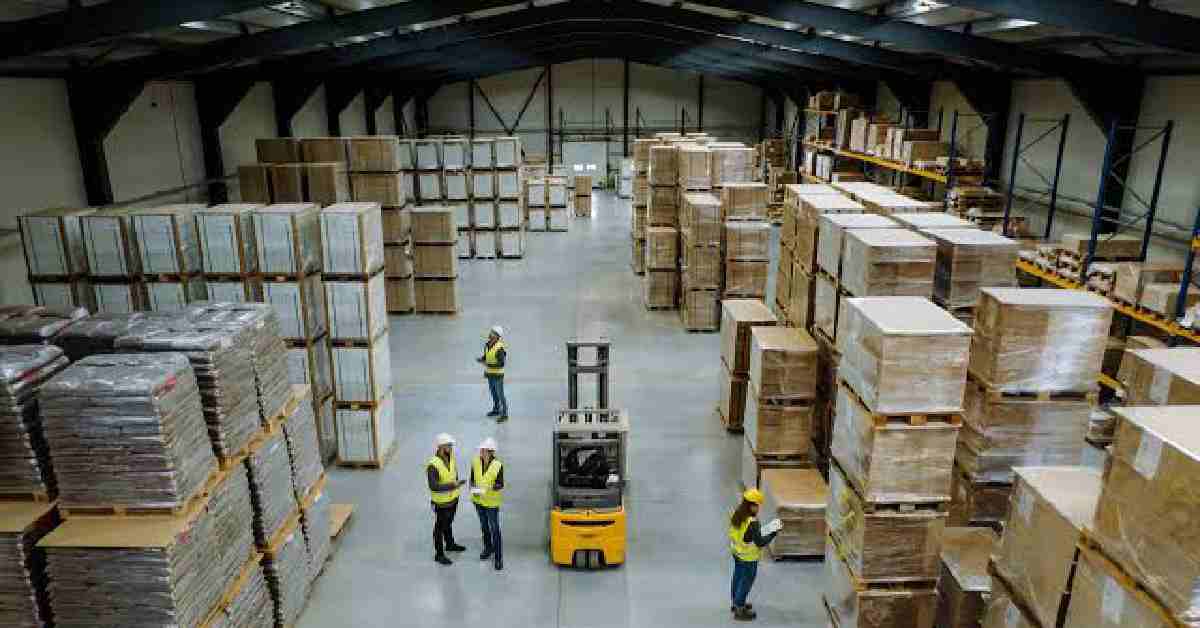
Campus 4 will be UNICEF’s largest central warehouse for humanitarian supplies worldwide, covering about 70,000 square meters and including office space, low storage, and two automated high-bay warehouses. The building company MT Højgaard has been awarded the construction contract.
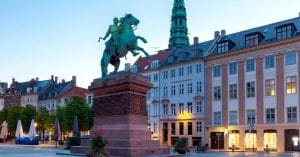
Interestingly, the location in Nordhavn is one of the city’s priciest areas, an ongoing concern at a time when Copenhagen housing prices are continuing to surge.
Debate over finance and priorities
Political reactions have been strong. Some lawmakers argue that overruns of this scale are unacceptable, especially when the added 1.5 billion kroner comes from the same budget meant to combat poverty in developing countries. They say Denmark should not fund administrative cost increases in Copenhagen using development money meant for the world’s poorest people.
Others defend the investment, pointing to the country’s interest in being a long-term host to UNICEF’s humanitarian operations. The Ministry of Foreign Affairs has stated that hosting UNICEF’s main supply center strengthens Denmark’s role within the United Nations and helps generate jobs and business for Danish companies. Over the last five years, UNICEF has purchased goods and services worth nearly 10 billion kroner from Danish suppliers.

Repeated cost increases
The latest updated estimate marks the third time in little more than a year that figures have risen. In mid-2024, costs were calculated at 2.6 billion kroner, then adjusted to 3.2 billion later that year. Now, after the public tender process, the estimate stands at 4.7 billion kroner.
By & Havn says the main reason is not the construction itself but updated rental pricing, new operational requirements, and higher expected running costs. The company adds that recent demands from health authorities for special facilities to store medicine have added about 6 million kroner in annual rent, or around 135 million kroner in total for the 30-year lease.
According to By & Havn, these additional requirements include stricter temperature and humidity controls to meet Danish Medicines Agency specifications. The company emphasizes that the 4.7 billion amount reflects total cost over three decades, including operations and maintenance.
Calls to move the project
Some lawmakers have questioned whether building in Nordhavn still makes sense. They propose moving the warehouse to a more affordable site, such as Aalborg, Fredericia, or Kalundborg—cities with major port and transport infrastructure that could support humanitarian logistics.
Even so, other voices argue that changing the location would delay the project too much and risk interrupting UNICEF’s relief work. Their position is that the Nordhavn plan should continue, but alternative funding sources should be found rather than taking additional money from development aid.

Denmark’s international interest
Denmark continues to view its partnership with the United Nations as strategically important. Hosting UNICEF’s largest global distribution center in Copenhagen helps solidify its status as a humanitarian hub. Supporters of the plan note that it also confirms the country’s commitment to international cooperation, despite higher costs.
The expected lease period for the completed facility is planned to begin on June 1, 2029.
Sources and References
The Danish Dream: Copenhagen housing prices surge, buyers struggle
The Danish Dream: Banking in Denmark for foreigners (updated 2025)
DR: Kæmpe UNICEF-lager i Nordhavn bliver 1,5 milliarder kroner dyrere