Ultrarunning in Denmark is more popular than ever, with races selling out and record numbers completing the longest distances, according to national coach Bjarni Rom Jensen.
DR reported on August 29, 2026 that running distances of 50 and 100 kilometers are drawing more participants than ever in Denmark. The distances are known collectively as ultrarunning.
Bjarni Rom Jensen, the national coach for ultrarunning, told DR that the various ultra distances have grown both in Denmark and abroad. He added that the large majority of races now sell out.
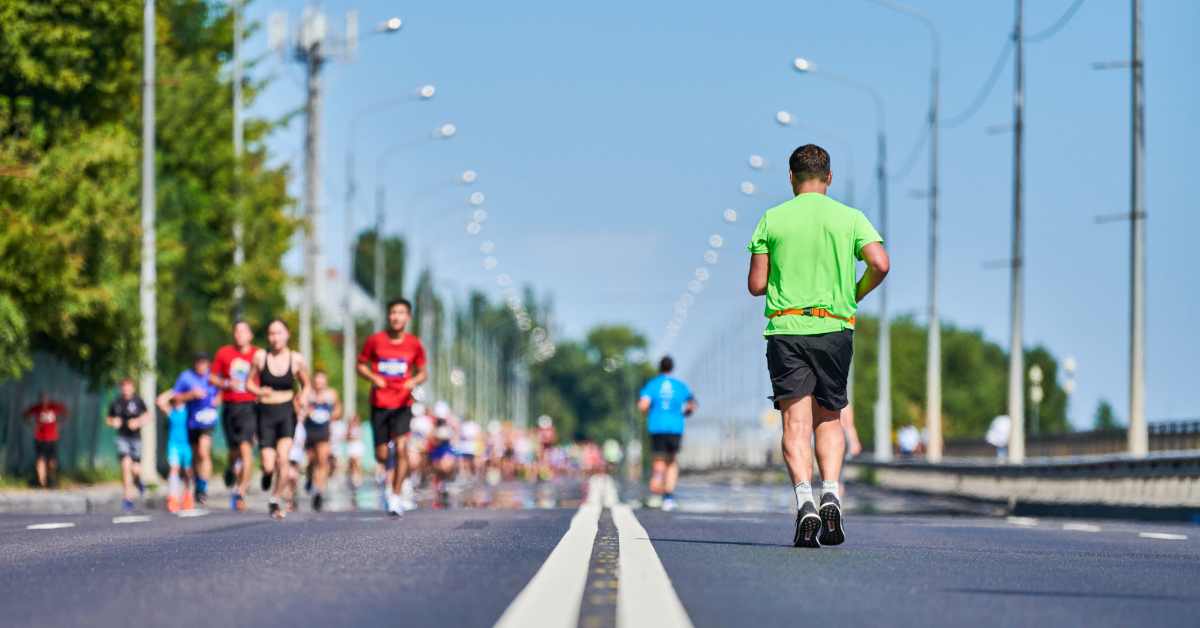
One of the recent events was the race around Ringkøbing Fjord, held last weekend in western Jutland. Per DR, the race was sold out, and organizers had never seen so many participants complete the 60 and 100 kilometer distances.

Among the finishers was Anne Kirkeby Larsen from Tjørring near Herning, who ran the 100 kilometer route. She and her running partner Maria Bækgaard Jakobsen completed the distance in 13 hours, 16 minutes and 59 seconds, DR reported.
From New Year’s resolution to 100 kilometers
Larsen told DR that her running began with a New Year’s resolution to make her training more structured. She said she then became fascinated by how far it was possible to run, and heard more about ultrarunning.
She received support from her family along the 100 kilometer route, according to DR. Her next running goal is an official marathon, and she said she could also see herself repeating the 100 kilometer distance.
Jensen said that far from most ultrarunners take part in order to win. According to the national coach, the majority simply want to challenge themselves over a long run.
He described an explosive increase over the past three to four years in people seeking that kind of challenge. As stated by Jensen, the challenge is both physical and mental.
Larsen said the long runs can be felt in her legs, but that they also build endurance and give her more energy in daily life. She added that running has helped her shift focus when things felt frustrating or hard.
DR also reported that participants are getting better at the distances, not only more numerous. Jensen pointed to the completion rates at Ringkøbing Fjord as an example of that development.
The growth in long-distance running follows a broader rise in organized sports participation in Denmark. DR’s report focuses on ultra distances of 50 kilometers and above, which now regularly fill their starting fields.
No official registration figures for Danish ultra races were published alongside DR’s report. The account of the trend rests on the national coach’s assessment and on the results from the Ringkøbing Fjord event.