Nestled amidst the lush greenery and serene lakes of central Denmark, Silkeborg is a vibrant town. Widely celebrated for its stunning landscapes and thriving arts scene, Silkeborg represents a quintessential Danish experience. Consequently, attracting travelers from around the world who seek both adventure and tranquility. Beyond its scenic beauty, the town plays a significant role in Denmark’s history and modern development. Thus, making it a destination rich in stories and experiences. Of course, I have some interesting stories. And so do some friends of mine.
Silkeborg as a Natural Haven and More
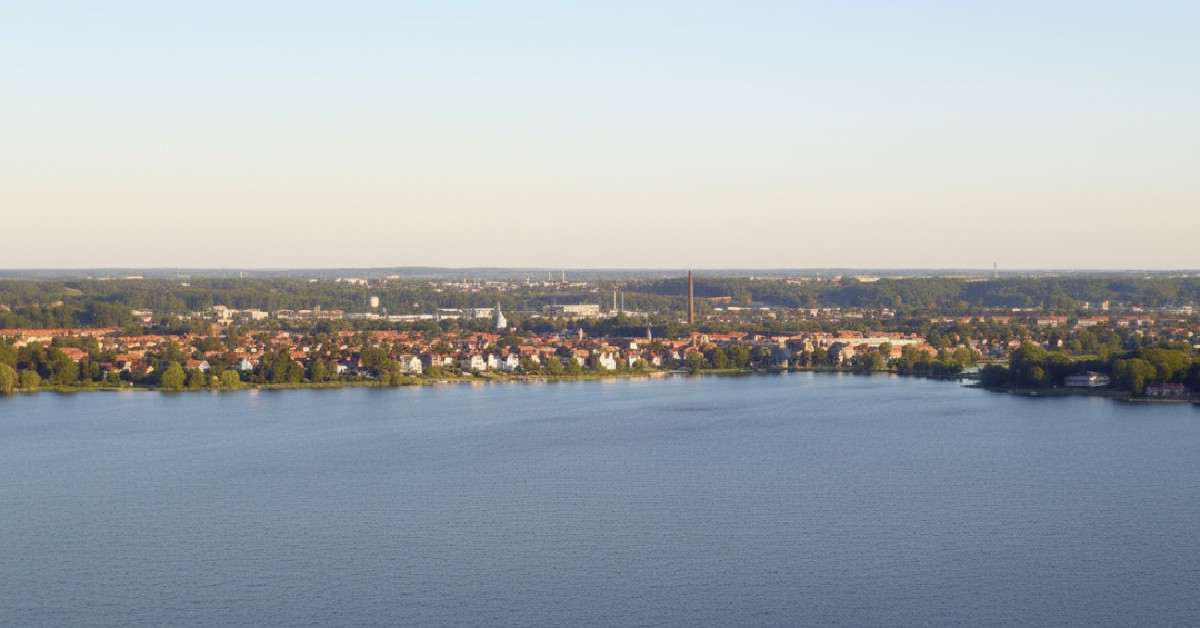
This place is renowned for its enchanting natural surroundings, which include the largest forested area in Denmark and a network of clean lakes that cover more than 50 square kilometers. These natural features make the town a paradise for outdoor enthusiasts. Moreover, the town is often referred to as the gateway to the Silkeborg Lakes, with Gudenåen, Denmark’s longest river, flowing through the landscape.
The rolling hills and vast woodland provide a perfect backdrop for activities such as hiking, cycling, and canoeing. Therefore, offering visitors an opportunity to reconnect with nature in a spectacular setting.
One of the most notable natural landmarks is Himmelbjerget, or “The Sky Mountain,” which rises 147 meters above sea level. Although it’s not the highest point in Denmark, Himmelbjerget offers breathtaking panoramic views of the surrounding countryside. And it’s a popular spot for both hikers and sightseers. Also, the area around the hill is steeped in myth and legend.
Cultural Significance and Artistic Heritage
The town has made a name for itself as a cultural powerhouse, serving as a central hub for artistic expression and heritage. At the heart of this vibrant artistic scene is the Museum Jorn, dedicated to the works of Asger Jorn, one of Denmark’s most influential modern artists. He was a co-founder of the COBRA art movement, which is celebrated for its expressionist and abstract styles. The museum is home to an extensive collection of Jorn’s works, and visitors can explore a variety of exhibitions that highlight both his legacy and contemporary art.
Another jewel in Silkeborg’s cultural crown is the Silkeborg Art Museum, which hosts a variety of art pieces ranging from classical to contemporary. Thereby, providing art lovers with a glimpse into Denmark’s diverse artistic landscape. The town itself often hosts international art festivals, drawing artists and audiences from across the globe and boosting its importance as a center for international cultural exchange.
Historical Importance
Founded in 1844 around a paper mill, Silkeborg’s historical roots are intertwined with Denmark’s industrial advancement. The town quickly grew as an industrial hub while still maintaining its connection to nature, demonstrated perfectly by the Harmonien. The Harmonien is an iconic building that once served as a meeting place and a cultural venue for mill workers. Silkeborg owes much of its structure and social development to this period, impacting its growth and regional significance.
Additionally, this site is home to the intriguing Tollund Man, one of the best-preserved bodies from the Iron Age, found in a peat bog near the town. This discovery provides valuable insights into Iron Age life and death in Europe and is a focal point for both historians and tourists interested in the ancient past. The Museum Silkeborg exhibits the Tollund Man and other archaeological finds, offering visitors a unique opportunity to step back in time.
How and When to Visit Silkeborg

Ideal Timing for Your Visit
The best time to visit largely depends on the type of activities you wish to pursue. For those who love outdoor activities, the months from May to September are ideal. With average summer temperatures ranging from 15°C to 22°C (59°F to 71.6°F), the weather is pleasantly mild, perfect for enjoying hiking, cycling, and boating on the tranquil lakes. During this time, you will also have the opportunity to partake in various cultural events, art exhibitions, and outdoor concerts.
In contrast, the winter months from November to February provide a completely different but equally enchanting experience. Silkeborg transforms into a serene winter wonderland, with average temperatures between -1°C and 4°C (30.2°F to 39.2°F).
Getting to Silkeborg
Silkeborg is highly accessible, making it a convenient destination for both domestic and international travelers. Situated approximately 40 kilometers west of Aarhus and about 260 kilometers from Copenhagen, Silkeborg is well-connected by road and rail. The nearest major airport is Billund Airport, located just over an hour’s drive away. This is with direct flights to many European cities.
For those traveling by train, Silkeborg Station offers direct connections to Aarhus and other cities. This is with frequent services running multiple times a day. If you prefer driving, the Danish motorway system connects Silkeborg to major cities efficiently. Highway 15 runs directly through the town ensuring that your road trip is as smooth as possible.
Getting Around
Once in Silkeborg, there are a variety of convenient and eco-friendly ways to navigate the town. Cycling is a popular mode of transport in Denmark, and the town is no exception. Enjoyable bike paths go through the streets and extend into the surrounding countryside, making it easy to explore the natural beauty at your own pace. Bicycle rentals are available, with shops offering both traditional bicycles and electric options.
Alternatively, the local bus network provides an efficient and cost-effective way to move around. This is with regular services covering the town and its surrounding areas. For visitors wanting flexibility without public transport, car rentals are also available. Hence, allowing you to visit remote natural sites and nearby attractions at your leisure.
Travel Tips for Visiting Silkeborg
When planning a trip to Silkeborg, consider these tips to enhance your experience:
1. Prepare for Variable Weather: Danish weather can be unpredictable. Pack layers, a waterproof jacket, and sturdy walking shoes to ensure comfort regardless of the season.
2. Embrace the Outdoors: Don’t miss the opportunity to explore Silkeborg’s natural setting. Bring appropriate gear for hiking, biking, or canoeing. And take advantage of the town’s parks and trails.
3. Explore Local Cuisine: Make time to sample traditional Danish dishes at local restaurants and cafes. From “smørrebrød” (open-faced sandwiches) to freshly caught fish from the lakes, the local cuisine offers a delectable taste of Denmark.
Conclusion
Silkeborg stands as a testament to Denmark’s ability to integrate nature, history, and culture into a vibrant community. Its stunning landscapes, rich artistic pursuits, and the warm hospitality of its people create an inviting atmosphere. Also, whether you are seeking adventure among the lakes and forests or savoring the artistic expressions born from Danish creativity, Silkeborg promises an experience that is as diverse as it is delightful.
FAQs about Silkeborg
1. What activities can I do in Silkeborg Lakes?
Visitors can partake in boating, kayaking, canoeing, and fishing on the lakes. There are also hiking trails around the lakes that provide stunning views of the scenery.
2. What is the best time to visit Silkeborg?
The best time to visit Silkeborg for outdoor activities is from May to September when the weather is mild. However, winter months also offer unique experiences like enjoying the cozy Danish “hygge.”
3. Can I rent bicycles in Silkeborg?
Yes, bike rentals are widely available in Silkeborg, with both traditional and electric bicycles on offer. Thus, providing the perfect way to explore the town and its surroundings.