

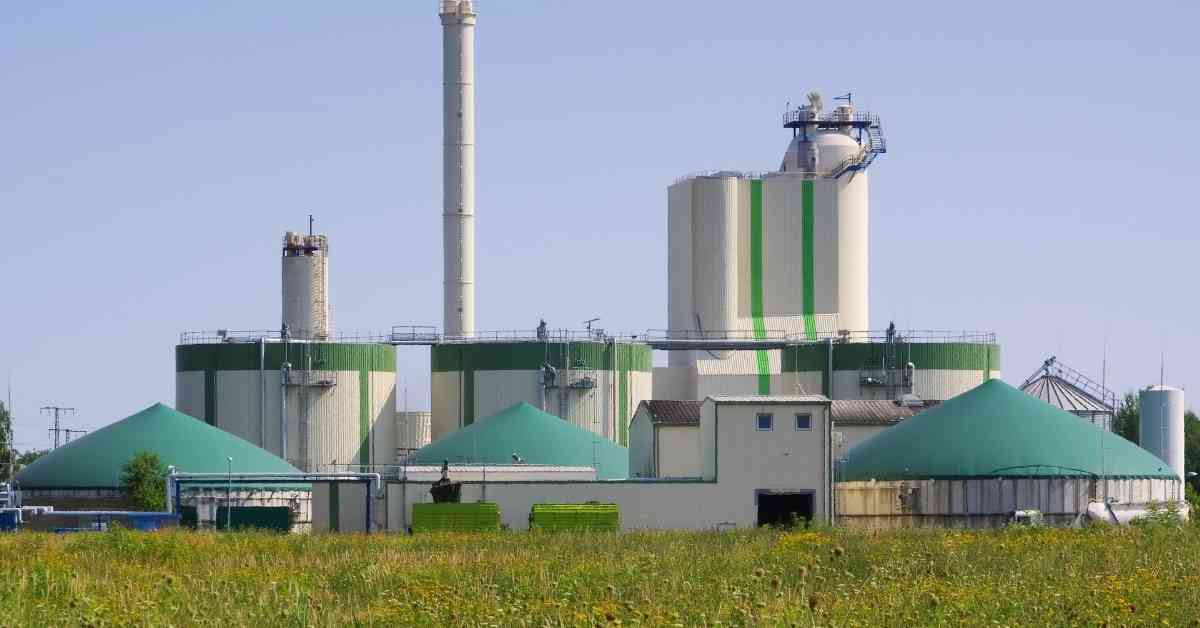
Residents of Køng, a village south of Copenhagen, say they wake up to the smell of rotten eggs and decomposing vegetables. The source is a Shell biogas plant 400 meters from their homes. Since opening in 2022, the facility has expanded capacity by 53 percent, and the stench has grown with it.
Yvette Espersen opens her windows in the morning and gets hit with what she calls a wall of stink. She lives in Køng, north of Vordingborg on the island of Sjælland. Her house sits less than half a kilometer from a Shell biogas facility that started producing natural gas four years ago. She is married to Søren Espersen, a longtime member of parliament for the Danish People’s Party and later the Denmark Democrats. She has also run for office herself and campaigned for the party for years.
Capacity Creeps Up, Complaints Follow
The biogas plant opened in April 2022 with a processing capacity of 300,000 tons of biomass per year. Since then, Shell has been granted multiple expansions. The most recent came in March of this year, raising the limit to 460,000 tons annually. That represents a 53 percent increase in just four years. Neighbors like Espersen say the smell has escalated in step with the plant’s growth.
She knows what manure smells like. Everyone who lives in the Danish countryside does. Farmers spread slurry a few times a year, and the odor usually fades within a day. This is different. The biogas plant emits a persistent, chemical reek that she describes as unbearable. She told TV2 Øst that living in the middle of it has become intolerable.
Bente Hansen, another neighbor, shares the frustration. She understands Denmark needs energy. She just wishes the plant had been built somewhere that did not force residents to breathe foul air every day. The problem is not occasional inconvenience. It is a daily assault on quality of life in a place people chose specifically because it was supposed to be peaceful and clean.
Thirty Neighbors File a Joint Complaint
The latest expansion triggered action. Thirty local residents have filed a formal complaint with both Vordingborg Municipality and the national Environmental and Food Appeals Board. The complaint period runs until April 7. The neighbors are not just objecting to the most recent permit. They argue the entire environmental approval should be revisited because the conditions under which it was originally granted no longer apply.
Espersen put it plainly to TV2 Øst. The plant today is a completely different operation from what was promised in 2022. The capacity has ballooned. The odor has worsened dramatically. What residents were told to expect bears no resemblance to what they live with now. The complaint is framed around that disconnect. Denmark has seen similar patterns before, where industrial permits get incrementally expanded until the cumulative impact becomes untenable for nearby communities.
Shell acknowledges the problem. Søren Bach, the plant’s operations manager, told TV2 Øst that the company is aware of the odor issues and regrets them deeply. He said Shell is working to improve the situation and expects neighbors to notice a difference soon. The company is building a new biofilter as part of an upgrade to its odor treatment system. In some areas of the facility, the smell is now measured at three to four times the intensity originally predicted in the environmental permit. The new filter will not be finished until autumn.
Municipality Defends Approval, Welcomes Scrutiny
Vordingborg Municipality approved the latest expansion despite the complaints. Diddi Thiemann, acting head of the municipal department overseeing roads, nature, and the environment, told TV2 Øst that the decision follows the law. The municipality conducts regular inspections, and as far as the authorities are concerned, Shell is operating within its permitted limits. If that were not the case, the expansion would not have been approved.
Thiemann also said the municipality welcomes the formal complaint. It gives officials a chance to have their decision reviewed by an independent body. More importantly, it forces everyone to pay closer attention to what is actually happening at the plant. I have covered enough of these cases to know that dynamic well. Regulatory bodies often approve expansions based on technical compliance, while the lived experience of nearby residents tells a very different story. The gap between what a permit allows on paper and what people endure in practice can be enormous.
Denmark has built much of its green transition on biogas and renewable energy. The country aims for 100 percent renewable electricity and has made real progress. But that progress comes with tradeoffs, and those tradeoffs are not distributed evenly. Rural communities near biogas plants, wind farms, and industrial agriculture facilities bear a disproportionate burden. Køng is not unique. Similar complaints have surfaced near biogas operations in Horsens and across Jutland in recent years.
The question is whether Denmark can square its climate ambitions with the rights of people who live near the infrastructure required to meet those goals. Shell says it will fix the smell problem by autumn. The neighbors have heard promises before. They are not waiting for another incremental adjustment. They want the entire permit reconsidered. Whether that happens depends on the appeals process and whether regulators decide the cumulative impact of four years of expansions has fundamentally changed what was approved in 2022.
Sources and References
The Danish Dream: Denmark Bans PFAS Pesticides to Protect Groundwater
The Danish Dream: Denmark Faces Worst Ocean Oxygen Crisis in Decades
The Danish Dream: Denmark Converts Farmland to Wetlands for Climate
The Danish Dream: Energy Electricity in Denmark for Foreigners
TV2: Landsby invaderet af stank
DR
TV2
Miljøstyrelsen


