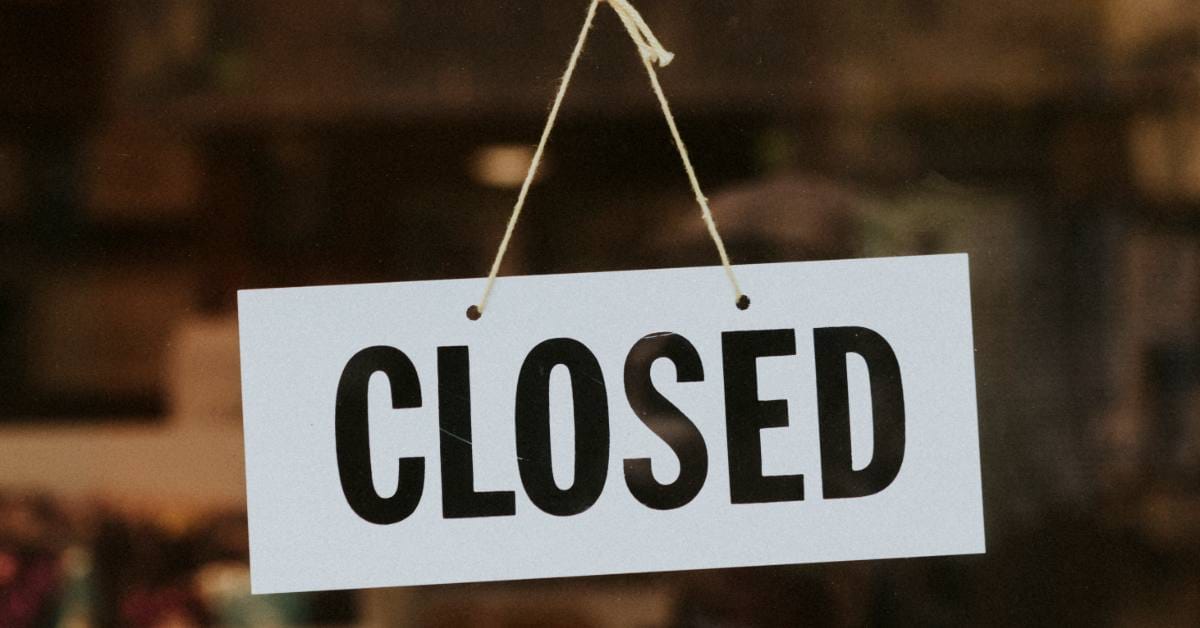
A cancer-stricken shopkeeper closing his store in Denmark underscores a stark welfare gap: self-employed cancer patients face sharply higher risks of severe income loss than salaried workers, according to survey data from Kræftens Bekæmpelse, the Danish Cancer Society.
When a small-town Danish shopkeeper turns the key for the last time because cancer has made work impossible, the closure is more than a local loss. It exposes a structural blind spot in one of Europe’s most expensive welfare states. According to Statistics Denmark, Denmark collected DKK 1.375 trillion in total tax revenue in 2025, up about 12 percent from 2021. Yet the system still leaves micro-entrepreneurs who fall seriously ill facing odds stacked far higher than employees.
The Protection Gap for Self-Employed Cancer Patients
The numbers tell the story the welfare state prefers not to highlight. According to a 2022 national survey by Kræftens Bekæmpelse, around 45 to 50 percent of self-employed cancer patients reported losing at least 75 percent of their income during illness, compared to roughly 20 percent of salaried patients. The gap persists despite repeated political promises to secure, as Kræftplan V puts it, a better life with and after cancer.
Denmark’s sickness benefit system is built around stable employment or documented unemployment. As set out on borger.dk, self-employed people must meet extra conditions and file extra paperwork to access sygedagpenge. They also lack the buffer of employer-paid sick leave. Municipalities administer benefits and assess work ability, but those assessments rarely reflect the reality of running a retail business alone, with long hours, physical demands and razor-thin margins.
Cancer Plan V and Its Limits
Denmark adopted Kræftplan V in May 2025, a package of 36 initiatives spanning prevention, treatment, rehabilitation and late-effects care. According to the Ministry of the Interior and Health, all regions are to establish specialised late-effects clinics in 2026 to treat chronic fatigue, pain and cognitive problems left behind by chemo and surgery. The plan also deploys artificial intelligence for early detection and gives general practitioners a coordinating role for vulnerable patients from 2027 onward.
But the plan does not overhaul economic protection for the self-employed. Financial security still depends on municipal practice, private insurance and personal savings. For internationals running corner shops or kiosks, the complexity is even greater. They must navigate a Danish-language bureaucracy spanning municipalities, regions and tax authorities, often without local family support or awareness of their rights.

Tobacco Policy and Shrinking Margins
Kræftplan V includes an initiative to reduce the number of tobacco and nicotine retailers through tighter licensing. For a cancer-stricken shopkeeper whose store relies heavily on tobacco sales, that policy compounds illness-related financial stress and makes recovery less economically viable. Small retailers broadly report flat or declining margins, making illness-related closures harder to recover from.
Patient organisations note that medical support does not automatically translate into financial security, particularly for business owners whose enterprises cannot run without them. Critics argue the system implicitly assumes a standard-worker model, leaving micro-business owners squeezed between high tax burdens and patchy income protection.
Two Welfare Systems
According to PwC’s Denmark tax summary, qualifying foreign specialists can opt for a flat 27 percent expatriate tax rate on salary income for up to 84 months, far below the marginal rates of up to 60.5 percent that ordinary taxpayers face. That favourable regime does not apply to typical foreign shopkeepers, who are taxed as ordinary residents and receive no special administrative support. A foreign engineer at a pharma company enjoys a simplified tax and benefit profile. A foreign corner-shop owner faces full progressive taxation plus complex navigation of municipal systems in a second language.
What Can Shopkeepers Do?
Municipalities remain the primary gateway for sick leave benefits, rehabilitation and flexible jobs. Self-employed cancer patients should immediately register serious illness with their kommune and their GP, ensuring medical documentation clearly describes work limitations relevant to running a business. In Copenhagen, the Center for Kræft og Sundhed provides economic support guidance, including help applying for social benefits and arranging partial sick leave. Kræftens Bekæmpelse offers telephone counselling and can help patients understand their rights around compensation.
Because many official resources are only in Danish, internationals benefit from taking a Danish-speaking friend or hiring an interpreter for meetings with municipal caseworkers. Legal insurance and membership in a business organisation can provide access to specialised advisers who understand both labour law and social benefits. For those facing long-term loss of work capacity, disability benefits or fleksjob may be available, but these require lengthy assessment and early contact with the job centre.
Health authorities argue that Kræftplan V significantly strengthens non-medical support and that late-effects clinics will improve long-term work capacity. Patient organisations counter that medical support does not automatically translate into financial security, particularly for business owners whose enterprises cannot run without them. As Denmark’s total tax revenue climbs and national cancer plans expand, the system continues to centre a standard-worker model, according to critics, leaving micro-business owners, especially internationals, exposed between high tax burdens and patchy income protection.