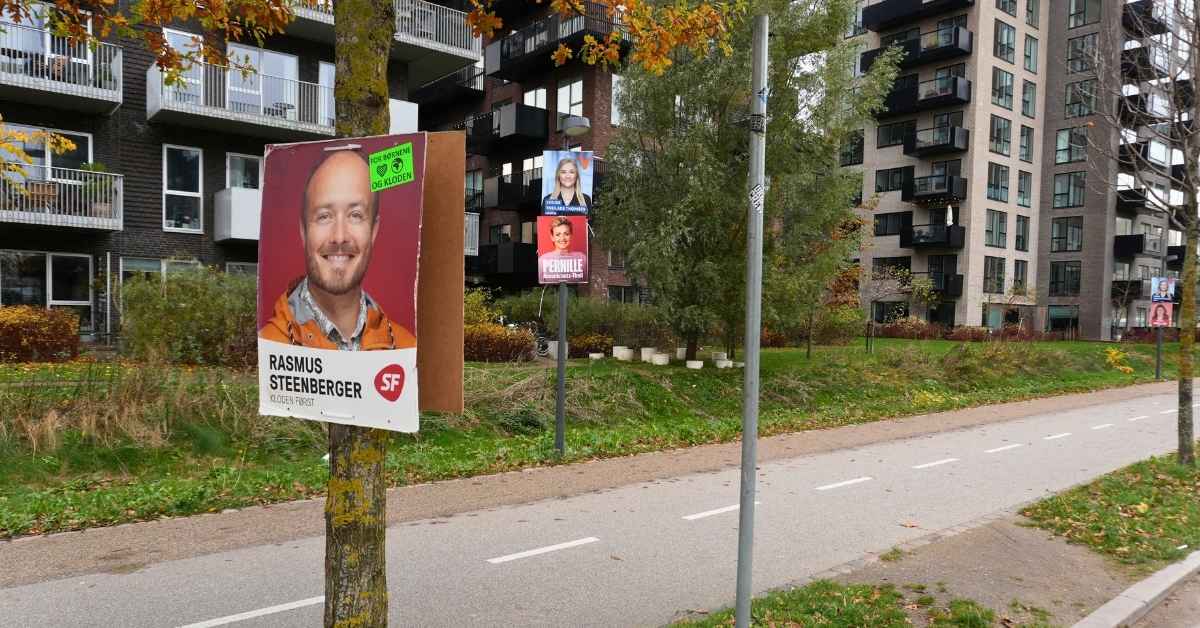
Voter turnout in Denmark’s local and regional elections this year rose to its highest level in over a decade, as long lines formed at polling stations across major cities late into the evening.
Higher Turnout Than Expected
Across Denmark, voters were still lining up long after polling stations officially closed at 8:00 p.m. during Tuesday’s local and regional elections. In Aarhus and Copenhagen, some waited close to an hour to cast their ballots. Anyone already in line at closing time was still allowed to vote.
In total, 69.2 percent of eligible Danes participated, marking a healthy increase from 2021’s turnout of 67.5 percent. The rise surprised analysts who had anticipated a continued decline due to aging demographics and lower engagement among younger voters.

Queues Show Increased Civic Engagement
Interestingly, the long lines were not the norm. Danish polling stations usually experience a brief rush just before closing time, but this year’s extended queues were different. Crowds kept arriving until late evening, with election officials noting that some stations had never seen such sustained traffic.
Observers believe higher participation reflects stronger engagement in local issues, as well as improved outreach efforts by municipalities. Several cities had launched new initiatives to boost participation, from better access for early voting to campaigns encouraging first-time voters.
Media and Local Efforts Likely Contributed
The boost in turnout may be attributed to broader media coverage and grassroots efforts across municipalities. Increased digital outreach and community events helped voters understand what was at stake. In particular, discussions around local health care, housing projects, and public services drew attention.
On top of that, voter data from the early afternoon had suggested a drop in participation. By 2:00 p.m., only 31.7 percent of voters had cast their ballots—slightly lower than at the same time during the 2021 election. Yet by the evening, turnout surged, reversing earlier expectations.
Some experts link this late turnaround to changing habits. Many Danes chose to vote after work hours rather than during the day, leading to traffic spikes near closing time.
An Encouraging Outcome for Municipalities
Municipal leaders across the country may view this increased turnout as a victory. Higher participation strengthens the legitimacy of local councils, especially at a time when national politics remains increasingly polarized. With public trust in focus, strong local voter engagement signals that communities still value direct representation.
It is worth noting that the last municipal election in 2021 took place during the COVID-19 pandemic, when many opted for mail-in voting. This year, by contrast, far more people turned up in person, contributing to the surge of late-night lines.
Counting Continues Across the Country
Vote counting continued on Wednesday as municipalities finalized tallies. Many local races remain close, while regional councils work to form new political alliances. Although official national figures were mostly stable, local shifts could influence Denmark’s political direction in the years ahead. Larger cities remain strongholds for left-leaning parties, but suburban and rural areas showed deeper fragmentation.

Looking Ahead
The turnout figures underscore a renewed interest in Denmark’s democratic process. Even though waiting in line is uncommon in Danish elections, this year’s queues signaled a willingness among voters to take part regardless of the inconvenience.
The next few days of result verification will show how the new councils are composed and what this means for national politics. Some experts already suggest that patterns from this local election could influence future parliamentary dynamics. Ultimately, the strong participation rate is being seen as a sign of democratic resilience at the local level, a reminder that Danes remain committed to shaping their communities through the ballot box.
Sources and References
The Danish Dream: Denmark’s Local Elections Could Reshape National Politics
The Danish Dream: Best Lawyer in Denmark for Foreigners
DR: Vælgere stod i kø i lange baner – flere stemte ved dette års kommunalvalg