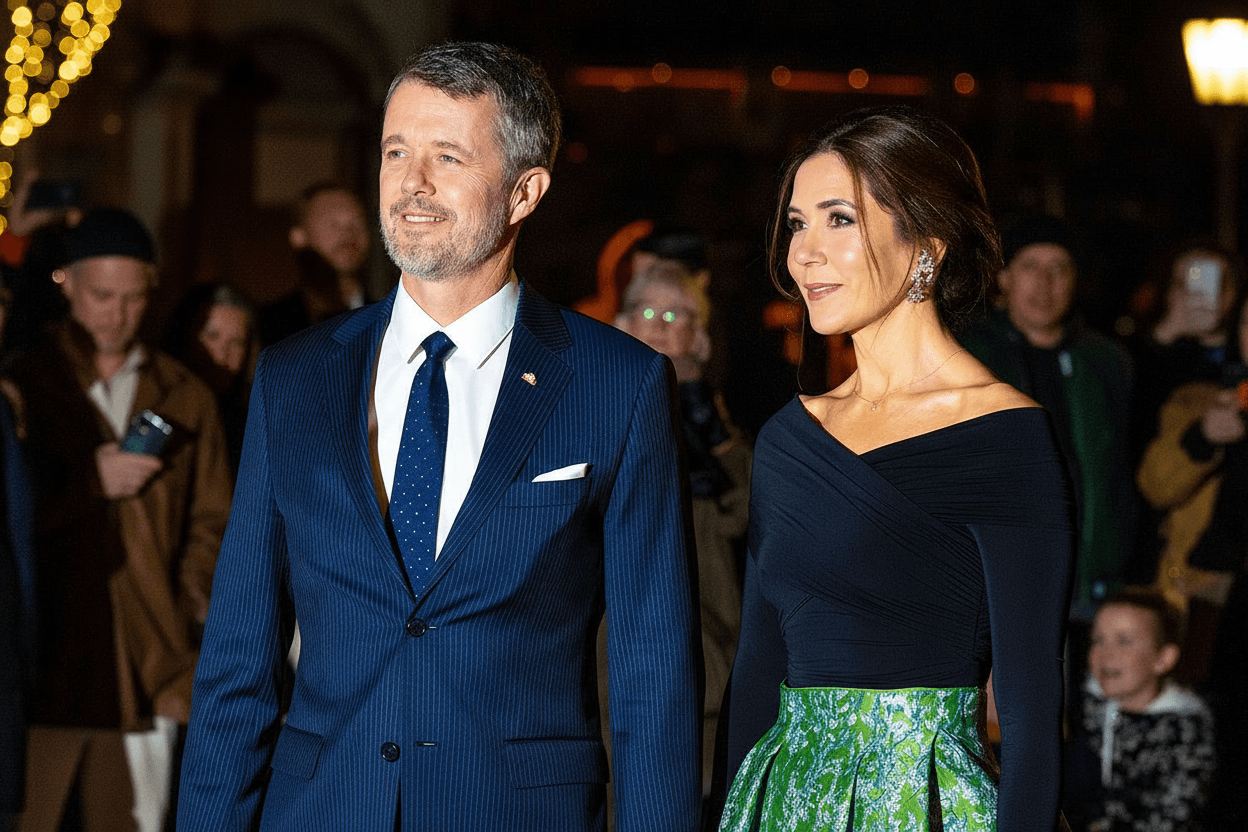
Queen Mary officially inaugurated Denmark’s largest hospital project in North Zealand on May 12, cutting the ribbon despite ongoing staffing shortages and incomplete facilities that have delayed full operations beyond original timelines.
The ceremony at Nyt Hospital Nordsjælland in Hillerød went ahead with regional leaders in attendance. The ribbon cutting marked a symbolic milestone for the 124,000 square meter facility. But the celebration came as hospital personnel report high pressure from understaffing and unfinished sections.
I have watched Denmark’s healthcare system strain under these tensions before. The gap between architectural ambition and operational reality is not new here. What strikes me about this inauguration is the timing. Why proceed with pomp when the practical challenges remain unresolved?
A Healing Hospital Under Pressure
The hospital serves over 300,000 residents across North Zealand. It replaces three older facilities with a modern design inspired by Frederiksborg Castle. C.F. Møller Architects won the competition in 2014 with their cloverleaf structure surrounded by nature.
The concept emphasizes patient wellbeing through daylight and green views. Outdoor spaces blur boundaries between illness and health. Short internal walking paths reduce stress for patients and staff alike.
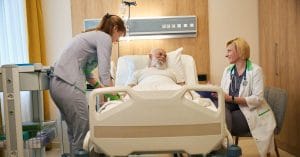
But design alone cannot solve healthcare delivery problems. National nurse shortages have hit this hospital hard. Staff report burnout as operations ramp up gradually rather than launching at full capacity.
Delays and Construction Complexity
Construction started around 2017 on pristine forest land. Preserving natural features like hills and ponds complicated logistics. The project used prefabricated modules and AI tools from Imerso to improve workflow efficiency.
Supply chain disruptions and pandemic effects pushed timelines back. As reported by DR, the inauguration proceeded despite these setbacks. Phased openings replaced the original plan for simultaneous launch across all departments.
International contractors handled specialized work. KGC Group managed facades while Staticus installed nature inspired cladding at massive scale. The engineering challenges mirror other ambitious Danish hospital projects in Køge and Hvidovre.
The Expat Perspective on Healthcare Access
For those of us living here as foreigners, this matters beyond local politics. Denmark’s public healthcare system is a key reason many expats choose to stay. But accessing that system depends on facilities like this functioning properly.
I have used Danish hospitals myself over the years. The integration of health insurance and public services works remarkably well when staffed adequately. When it is not, wait times stretch and quality suffers for everyone.
The hospital sits 35 kilometers north of Copenhagen. That proximity makes it critical for the capital region’s overflow capacity. Staffing shortages here ripple outward to other facilities already under pressure.
Royal Symbolism Meets Practical Realities
Queen Mary’s presence at the inauguration carries weight in Danish culture. The monarchy provides continuity and gravitas to public institutions. Her attendance signals national importance for this project.
But symbolic gestures cannot mask operational gaps. Regional Hovedstaden emphasizes training programs for new staff. Yet no specific 2026 staffing numbers have been released publicly. That opacity raises questions about readiness.
The facility cost multiple billions of kroner as part of regional healthcare investments. Exact figures remain undisclosed in available public sources. This follows a pattern in Danish hospital projects where budget transparency lags behind construction timelines.
What Comes Next
The hospital will continue phased expansion throughout 2026. Full operations depend on resolving staffing and completing remaining construction. Regional leaders frame this as Denmark’s healthcare future. The emphasis on healing environments over purely clinical spaces represents a philosophical shift.
Whether that philosophy translates to better patient outcomes remains to be seen. Studies cited during the design competition show daylight and nature views aid recovery. But those benefits require adequate personnel to deliver care in the first place.
Living here through multiple government terms, I have seen healthcare reform promises come and go. This hospital represents real investment in infrastructure. The question is whether Denmark will match that with investment in the people needed to run it.
Sources and References
The Danish Dream: Danish Healthcare Explained for Tourists & Expats
The Danish Dream: Health Insurance in Denmark
The Danish Dream: Danish Monarchy Royal Heritage and Modern Role
DR: Ramt af problemer og presset personale alligevel klippede dronning Mary snoren til nyt hospital