Denmark has approved a potential military contribution to secure shipping through the Strait of Hormuz as Iran collects its first toll revenues and threatens to close the waterway entirely if US pressure continues.
A parliamentary oversight committee gave the green light for Denmark to join international efforts protecting commercial vessels. The decision comes as shipping traffic through the strait has collapsed to fewer than 10 vessels daily. Iran now charges up to $2 million per voyage for safe passage.
Iranian officials announced on April 23 that the first toll revenues had been deposited into the Central Bank. Deputy parliament speaker Hamidreza Hajibabaei framed it as a shift in power dynamics. Iran was now making demands rather than negotiating, he told state media.
From Threat to Revenue Stream
The Strait of Hormuz handles roughly 20 to 30 percent of global oil trade. It is a 33 kilometer wide chokepoint between Iran and Oman. For decades it operated under tacit international agreement allowing free passage.
That ended in mid April 2026. US blockades of Iranian vessels triggered Iranian retaliation and counter blockades. President Trump issued an ultimatum on April 22 demanding Iran reopen the strait. Iran rejected it outright and began formal tolling operations within 24 hours.
Iranian officials project the tolls could generate $60 to $80 billion annually. Those figures assume full compliance and pre conflict shipping volumes. Neither assumption holds. But even a fraction of that revenue helps Iran offset years of sanctions.
The Military Calculus
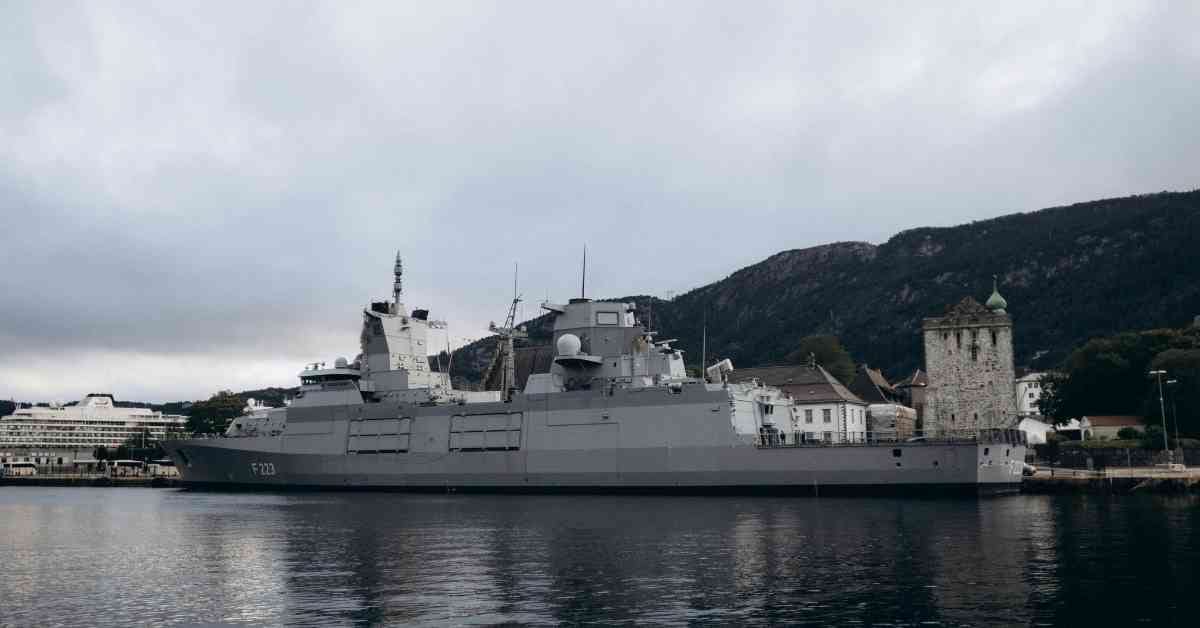
Denmark joins France and other European nations preparing naval escorts for commercial ships. French President Macron announced warship deployments during a Cyprus visit in late April. The UK has discussed similar measures though market odds for British vessels arriving by month end dropped to 8.5 percent.
Military analyst Anders Puck Nielsen warns that convoy operations in these waters will be exceptionally dangerous. Large European and American warships will face land based attacks from Iranian positions while escorting commercial vessels through the narrow passage.
I have watched Denmark navigate these international security decisions for years. The calculation is straightforward. Nordic countries depend on Gulf energy imports for roughly 10 percent of oil needs. Letting Iran unilaterally control this waterway sets a precedent that threatens every maritime chokepoint globally.
Why Denmark Cannot Sit This Out
The decision carries real risks. Iran has threatened to close the strait entirely if Western pressure continues. Hamibabaei stated bluntly that no vessels would pass if the US maintained its current course.
But doing nothing also has costs. Energy prices across Europe have already spiked. Insurance rates for Gulf bound ships have tripled. Denmark cannot afford passive hope that shipping lanes will reopen through diplomatic magic.
Some nations have cut separate deals with Iran. Pakistan, India, China and the Philippines secured bilateral passage arrangements. That option remains open for European countries willing to legitimize Iranian toll collection. Denmark clearly chose differently.
The Ceasefire That Is Not Really a Ceasefire
A fragile truce holds between Iran and the US. But Iran demands the US and Israel halt all attacks, provide guarantees against resumption and pay compensation for damages. Those conditions remain unmet. Meanwhile Iran continues collecting tolls and maintaining what it calls strict control over transit.
Under international maritime law, straits like Hormuz allow transit passage without fees. Iran argues it can charge for security services. No international body has validated that interpretation. The point may be moot. Iran controls the waterway physically regardless of legal theory.
I find it telling that Trump issued an ultimatum and then watched Iran ignore it without immediate military response. That restraint reflects the genuine difficulty of the military problem. Attacking Iranian positions could trigger wider regional war and guaranteed closure of the strait.
Denmark has no specific deployment timeline or force size announced yet. The parliamentary approval simply means Danish ships could join coalition operations when and if the government decides. That flexibility makes sense given how quickly this situation continues to evolve.
For expats like me watching from Copenhagen, this feels like another reminder that Denmark remains a serious military power despite its small size. The navy may deploy thousands of kilometers from home to protect economic interests that directly affect Danish living costs and energy security.
Sources and References
The Danish Dream: Oil Prices Explode as Hormuz Shipping Halts
The Danish Dream: Hormuz Crisis Europes Energy Nightmare Begins
The Danish Dream: Trumps Surprising Restraint on Hormuz Crisis Explained
DR: Nævn har givet grøent lys Danmark me