Danish energy company Ørsted is fighting to restart its stalled offshore wind projects in the United States, with billions of dollars at stake after the Trump administration halted construction citing national security concerns.
A Legal Battle Over Wind Power
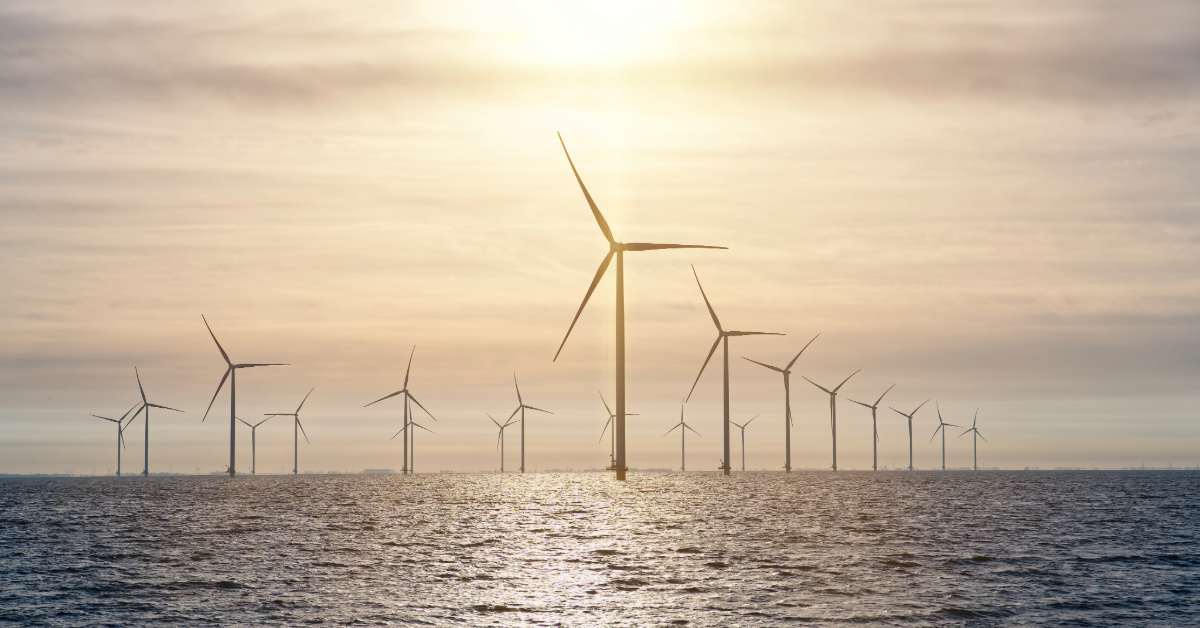
An aging federal judge in Washington is set to decide whether Danish energy group Ørsted can resume its massive offshore wind farm in the United States. The case centers on the Trump administration’s decision to halt five major wind projects, including Ørsted’s Revolution Wind site off Rhode Island.
Revolution Wind is designed to supply 350,000 American homes with clean energy. The project, which Ørsted co-owns and is 87 percent complete, has been shut down since late December when the U.S. Department of the Interior issued a stop-work order. Officials argued that newly classified documents revealed potential national security threats connected to the project.
Ørsted’s team says the freeze is unlawful and insists the order lacks proper justification. The company’s lawyers argue that Revolution Wind was denied access to the documents needed to defend itself, even though its technical staff has high-level security clearance.

Classified Documents and National Security Claims
The issue ties back to earlier disputes during Donald Trump’s presidency. Months ago, the same federal court ruled in favor of Ørsted after a similar shutdown order over possible interference with U.S. military radar systems. Judge Royce Lamberth, 82, described that previous stop-order as arbitrary and warned that Ørsted faced irreparable harm from work delays.
But the current case is more complex. The government contends that the latest suspensions are based on new, highly classified intelligence. Even the developers’ American security-cleared experts are barred from reviewing it. According to court papers, authorities are considering whether to release a redacted summary instead. Only the judge will have full access to the documents.
Billions on the Line
While legal arguments unfold, time is draining Ørsted’s finances. Every day that the Revolution Wind site remains idle, total losses reach about nine million Danish kroner. Since Ørsted owns half, it loses roughly 4.6 million kroner daily. Much of the cost comes from leasing a specialized installation ship crucial to completing the final turbines. The vessel’s contract is limited and cannot be extended, meaning delays could cause it to leave for other projects.
If construction cannot resume soon, the consequences could be severe. Court filings show that the joint venture has already committed over five billion dollars. An early shutdown would trigger “breakaway costs” reaching another billion dollars, bringing total potential losses near six billion. Ørsted would bear roughly half that figure—around 19 billion Danish kroner.

Sunrise Wind Faces the Same Storm
The Revolution Wind project is not Ørsted’s only challenge. The Danish group also owns Sunrise Wind, a separate offshore farm built to power 600,000 homes near New York. That project, entirely owned by Ørsted, has also been placed on hold.
The lawsuit over Sunrise Wind outlines fears of monumental economic fallout. More than 3,500 American jobs tied to the project are now at risk. Each day of inaction costs Ørsted over one million U.S. dollars. Should the project collapse, losses could exceed eight billion dollars, or about 51 billion Danish kroner. Combined with the Revolution Wind freeze, total financial exposure could surpass 70 billion kroner.
In fact, Ørsted’s setbacks in the U.S. come during a global moment when clean energy developers already face mounting challenges from inflation, supply bottlenecks, and shifting government priorities. Danish industry voices have expressed frustration that political considerations are blocking renewable investment opportunities just as climate goals are tightening.

Awaiting a Crucial Ruling
For now, Judge Lamberth will review the secret evidence privately before issuing his ruling. If he sides with Ørsted again, construction could quickly resume and save both projects from financial disaster.
If not, Ørsted could face its largest setback in U.S. history—perhaps signaling a broader chill in America’s offshore wind ambitions. Even so, no matter the outcome, the case underscores a deep tension between national security and sustainable energy development that may influence future cooperation between Denmark and the United States.
Sources and References
The Danish Dream: Trump Turmoil Sparks Danish Call for Research Funding
The Danish Dream: Best Energy Providers in Denmark for Foreigners
DR: Krigen mod Trump: Ørsted må ikke se de hemmelige dokumenter, der kan koste dem milliarder af dollar