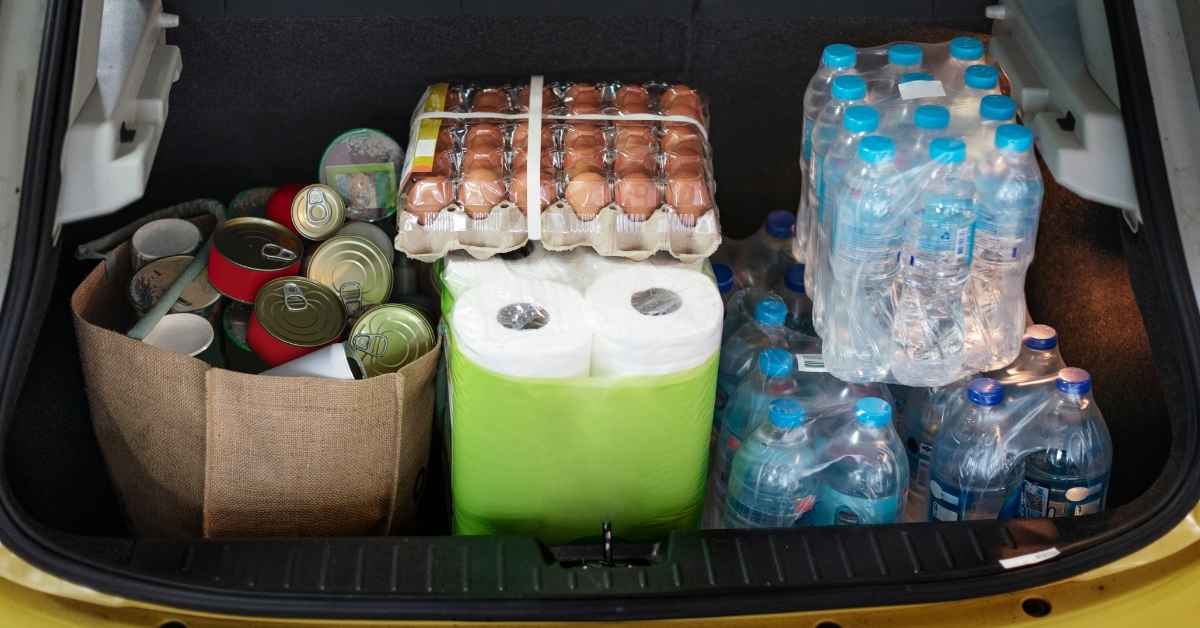
Denmark’s grocery bills are climbing again. New packaging regulations will add roughly 2% to supermarket prices starting this year, piling onto a shopping basket that has already jumped over 27% in the past three and a half years. For expats and Danes alike, the strain on household budgets continues despite overall inflation cooling to just 1.2%.
I’ve watched Danish grocery prices climb relentlessly since moving here, and the latest numbers confirm what everyone feels at the checkout. TV2 reports that new producer responsibility regulations for packaging will push prices up by about 2% on average. That translates to an extra 3 kroner on a typical 155 kroner shopping basket. It doesn’t sound like much until you remember that the same basket has already grown by 186.50 kroner since mid 2022, reaching 856.95 kroner today.
The producer responsibility law forces manufacturers to cover waste management costs for packaging, and they’re passing those costs straight to consumers. Critics warned a year ago that this would mean higher prices, more bureaucracy, and ironically, increased plastic use. The government pushed it through anyway. Now we’re seeing the consequences hit food prices just as households thought they might catch a break.
The Inflation Paradox
Here’s what makes this frustrating. Overall inflation has actually dropped significantly. March numbers show inflation at 1.2%, up slightly from February’s 0.7% but still well below the European Central Bank’s 2% target. Core inflation fell to 1.7%. The electricity tax cut that kicked in at the start of 2026 knocked power prices down by nearly 35% year over year.
But food doesn’t follow the same trajectory. Over the past 12 months, food prices climbed 2.2%. Since the start of 2022, they’ve jumped 24% according to government analysis, driven by climate disruptions, the Ukraine war, and lingering COVID supply chain problems. Over four years, Danmarks Statistik data shows a 31% increase in food costs. When economists say inflation is under control, they’re averaging in cheaper electricity against your more expensive dinner.
What’s Actually More Expensive
Specific items tell the real story. Since 2023, olive oil has shot up 42.8%. Chocolate is up 37.4%. Juice increased 35%. Rice climbed 20.4%, butter 15.6%, and vegetables 13.9%. A few items fell, like frozen fruit down 9.1% and margarine down 7.8%, but those don’t make up for losses elsewhere. These aren’t luxury items. They’re basics in Danish kitchens, which explains why the cost of living feels so punishing even as headline inflation moderates.
I’ve noticed friends and neighbors adjusting. Beef consumption dropped in 2025 as prices climbed. People shop more carefully, compare prices obsessively, and stretch ingredients further. Consumer confidence sits at financial crisis levels. According to trend researchers, price remains the top priority in shopping decisions for 2026, overtaking convenience or health considerations.
The Germany Problem
For those living near the border, the price gap with Germany creates an absurd situation. Ten basic products cost 26% less across the border. Local Danish shop owners describe feeling powerless against this competition. One grocery expert told media that German prices are killing Danish retailers, especially smaller independent stores that can’t match the volume discounts of chains or benefit from lower German production costs.
The government promises to focus on “fair prices” and has launched deeper analysis into the food value chain. Agriculture sector profits were higher between 2019 and 2024 than in the previous four years, raising questions about how costs and margins distribute through production, processing, and retail. But promises don’t lower prices at Copenhagen food markets or Netto checkouts.
What This Means for Households
For the average family, cumulative price increases since 2021 add up to roughly 5,000 kroner per month in extra costs. That’s real money disappearing from budgets that could go toward savings, entertainment, or dealing with Denmark’s notoriously high housing costs. Expats earning in kroner feel this acutely, especially those without the salary bumps that sometimes accompany relocation packages in the first few years.
The producer responsibility regulation adds insult to injury. It’s environmental policy with good intentions, making manufacturers accountable for packaging waste. But in practice, it’s another expense transferred to consumers already stretched thin. The 2% increase hits hardest on lower income households, where grocery spending takes a bigger slice of monthly budgets.
Forecasts suggest overall inflation will stay under 2% throughout 2026, possibly dropping toward 1%. Energy costs should remain stable with the tax cut in place. But food inflation operates on its own logic, responsive to weather, global supply chains, and agricultural commodity markets that don’t care about Nationalbanken targets. New regulations like producer responsibility layer domestic policy costs onto those external pressures.
I’m skeptical we’ll see meaningful relief at the grocery store this year, whatever the inflation statistics say. The producers’ packaging costs are baked in now. Global food supply remains volatile. And Danish retailers face structural disadvantages compared to neighbors. For expats weighing whether Denmark’s quality of life justifies the expense, grocery bills remain an uncomfortable reminder that Copenhagen isn’t just expensive for rent and restaurants.
Sources and References
The Danish Dream: Food prices in Denmark are increasing amid low inflation
The Danish Dream: Cost of living in Denmark comprehensive guide expats
The Danish Dream: Copenhagen food markets culinary adventure through local delights
TV2: Nye prisstigninger på vej nu rammer det indkøbskurven