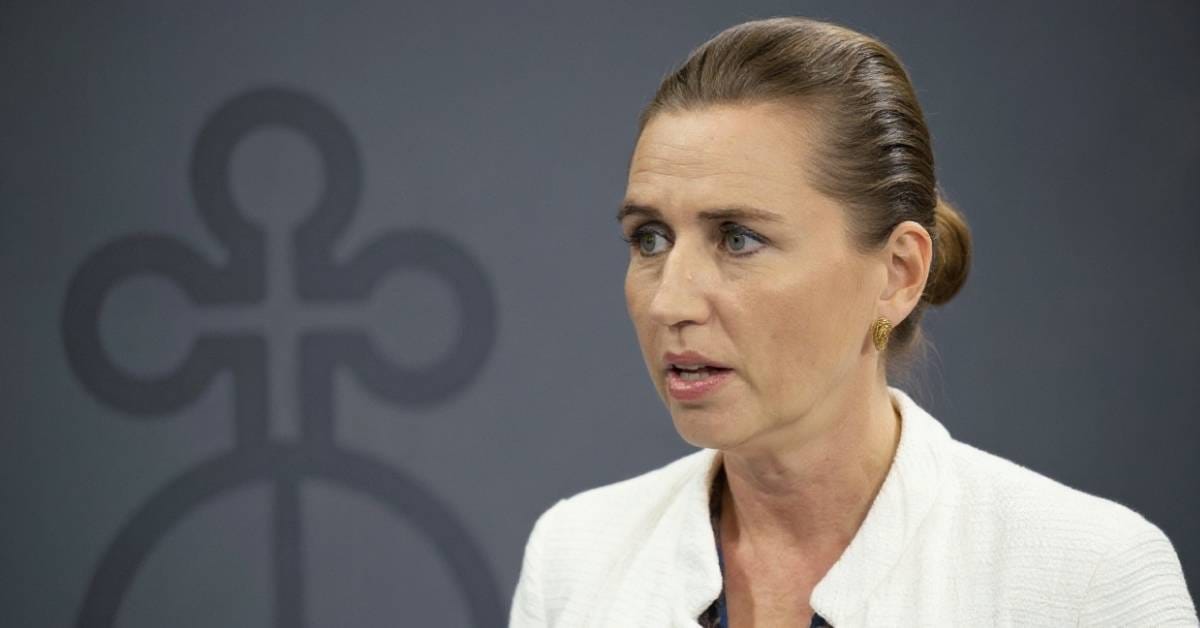
Denmark’s Prime Minister Mette Frederiksen faces her toughest political test yet, as her leadership is questioned following a string of poor election results and rising pressure within the Social Democrats.
Mette Frederiksen at a Political Crossroads
After two disappointing elections, Denmark’s ruling party, the Social Democrats, is preparing for an internal reckoning. Party leader and Prime Minister Mette Frederiksen will meet with the main board to analyze the party’s weak performance in the recent local elections. But behind the scenes, the discussion is about far more than lost mayoral posts. It is about the future of the party’s role in Denmark’s center of power—and Frederiksen’s ability to continue leading it.
Losing a third election, or worse, control of the government, could trigger serious political upheaval. Several in the party privately acknowledge that Frederiksen herself may become a liability if the downward trend continues.
For now, Social Democrats are trying to regroup ahead of the next parliamentary election, expected no later than 2026. The challenge is enormous: to revive a tired party, regain trust from voters, and reconnect with its traditional base.

An Unpopular Coalition
Frederiksen’s government, a rare centrist coalition uniting the Social Democrats with the Liberals and Moderates, remains deeply unpopular. The partnership, known as SVM, surprised voters even though Frederiksen had mentioned such a possibility during the 2022 campaign. Many Social Democrat supporters never expected her to follow through.
The controversial decision to abolish the national holiday of “Great Prayer Day” symbolized the unrest within her voter base. It alienated both rank-and-file members and many of the working Danes who traditionally supported the party.
In coalition politics, tensions have mounted. While Frederiksen recently offered conciliatory remarks toward the left-wing Socialist People’s Party (SF), the Liberal Party’s leader has simultaneously drifted toward the right on immigration policy. As the next election nears, these fractures are only expected to widen.
Economic Pressures and the Everyday Dane
For many Danes, household budgets remain tight, and frustration has grown over rising food prices. Critics accuse the government of doing too little to ease daily costs. Some political parties want an immediate reduction in VAT on groceries. The Social Democrats reject that as technically unworkable, arguing reforms must be consistent nationwide.
Meanwhile, measures meant to improve affordability have been slow to arrive. Lower electricity taxes will only take effect at the end of 2024, and planned reductions in childcare costs may not come until 2027. Those delays are politically costly. Party strategists worry that families may not feel any benefit before election day.
Perceptions of Welfare and Spending Priorities
Despite increased government funding, local officials across Denmark, including Social Democrat mayors, say welfare services are stretched thin. Citizens see fewer improvements on the ground, while billions are being spent on defense and support for Ukraine. To some in the traditional base, this looks like a government that lost touch with its core mission—protecting social welfare at home.
Analysts suggest this perception hurts the Social Democrats most among the three coalition parties. It reinforces an image of a government distracted by global crises rather than focused on Danish households.
Strained Ties with the Left
Relations with longtime allies on the left have deteriorated since the formation of the SVM government. Frederiksen’s pivot toward the political center sidelined SF and the Red-Green Alliance (Enhedslisten). Many local results in the municipal elections reflected that new distance.
The Social Democrats once counted on cooperation from those parties in parliament, but that alliance has eroded. Even Frederiksen’s recent attempts at reconciliation may be too little, too late.
At the ideological level, some within the party now question whether the Social Democrats still have a clear, relatable mission for new generations of voters. Without one, the party risks becoming a caretaker of the past rather than a driver of future change.
Falling Poll Numbers and Internal Pressure
Recent polls show the Social Democrats hovering around 17 to 18 percent—down dramatically from the 27.5 percent they achieved in 2022. While such polls can fluctuate, a series of weak results tends to fuel negative momentum inside any political movement.
Frederiksen’s personal popularity has also declined. Once seen as a strong crisis leader through the pandemic and global conflicts, she now faces doubts within her own ranks about whether she can lead the party to another victory.
If the trend continues, Denmark could witness a political reset reminiscent of the fallout following another major election setback described here.

Looking Ahead to 2026
In the coming months, Mette Frederiksen must define a renewed purpose for her party and find a way to reconnect with ordinary voters. She has survived political crises before, from COVID-19 to European security challenges. But this time, she faces a test not of management, but of leadership, spirit, and identity.
As the countdown to the next general election begins, Frederiksen must do more than defend her record. She must convince Danes that her vision and the Social Democrats still belong at the heart of Danish politics.
Sources and References
The Danish Dream: Mette Frederiksen Rocked by Brutal Election Blow
The Danish Dream: Best Political News in Denmark for Foreigners
DR: Analyse: Som statsminister har Mette Frederiksen håndteret krige og kriser – nu kommer hun på sin hårdeste prøve i rollen som partiformand