Anders Holch Povlsen, Scotland’s largest private landowner with about 220,000 acres across multiple Scottish estates, is facing planning scrutiny over his company’s proposals for jetties, a sauna and a bakery on the shore of Loch Ness.
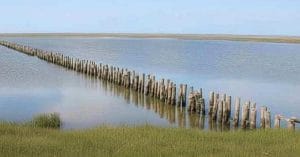
Povlsen, the Bestseller fashion billionaire, has to navigate Scottish heritage and planning rules when proposing new development on Loch Ness. His company WildLand is leading redevelopment plans for the historic Dores Inn on the eastern shore, proposing to add a sauna, bakery, upgraded toilets and two new jetties during a major redevelopment. The plans have prompted questions and concerns at public consultations, where some residents argue the loch is already under pressure.
A Blank Cheque Against Heritage
Loch Ness is 36 kilometres long and holds 7.4 cubic kilometres of water, the largest volume of any Scottish loch. It is also one of the focal points in current debates over pumped-storage hydropower. The Red John scheme nearby, now owned by Norway’s state company Statkraft, would use Loch Ness as a lower reservoir for a 450-megawatt facility costing roughly 550 million pounds, or around 5 billion kroner.

Campaigners lodged petition PE2109 with the Scottish Parliament in 2024, demanding a halt to any further pumped-storage projects on Scottish lochs until a national cumulative impact assessment is finished. According to the petition text submitted to the Scottish Parliament’s Citizen Participation and Public Petitions Committee, approving more schemes without a national strategy is like signing a blank cheque against natural heritage. Petitioners also warn that repeated water-level swings would harm shoreline vegetation, fish spawning grounds and the visual character that underpins tourism.
Multiple Estates, One Strategic Vision
What most coverage misses is the scale of Povlsen’s overall footprint. According to profiles compiled by The Ferret and BBC reporting, he controls about 220,000 acres across 11 to 13 estates in Scotland, including Aldourie Castle on the banks of Loch Ness. Only the Dores Inn parcel gets mentioned in most articles, obscuring how extensively his holdings are clustered across the Highlands.

According to Scotland’s 2023 land reform consultation, around 8 to 10 percent of Scotland’s land area belongs to a relatively small number of large private owners, including foreign nationals and overseas companies. Land reform activists cite Povlsen as exhibit A in debates about capping estate sizes or expanding community buy-out rights. Even a green rewilding plan, they argue, can prioritise a private vision over local needs when one ultra-rich individual controls so much territory.
Tourism Versus Turbines
Povlsen frames his Highlands strategy as a model for private climate action under WildLand’s long-term rewilding vision. His stated goal is to restore native woodland and peatland, tackle biodiversity loss and create a high-end tourism offer that keeps visitors longer than a coach-tour photo stop. He has previously opposed Scottish wind farms and a spaceport project, arguing they would industrialise landscapes his estates depend on for their appeal.
Now he is on the receiving end of similar arguments. Environmentalists say new jetties and expanded visitor facilities at Dores add cumulative pressure to habitats already stressed by climate change and potential hydropower operations. Planning guidance in Scotland, like Danish Strategic Environmental Assessment rules, requires authorities to consider reasonable alternatives and consult affected communities early.
What Expats Can Do
Scottish planning law lets any member of the public lodge comments during statutory consultation periods, regardless of residence. Danes who travel to Scotland or invest there can submit views to Highland Council’s planning portal or respond to Scottish Government energy consultations. The Parliament’s petitions system is also open worldwide, so supporting or drafting related petitions remains an option.

For internationals living in Denmark, the Loch Ness clash shows how domestic debates about land concentration and green investment standards travel when Danish capital moves abroad. According to Scottish planning and environmental guidance, any development significantly affecting the environment must go through a structured assessment process comparable to Danish SEA rules. The redeveloped Dores Inn, assuming planners approve the proposals, would bring new sauna and bakery facilities to the Loch Ness shoreline.
The outcome will shape not just tourism on the loch, but how Europe manages the collision between climate infrastructure and the landscapes people actually want to visit.