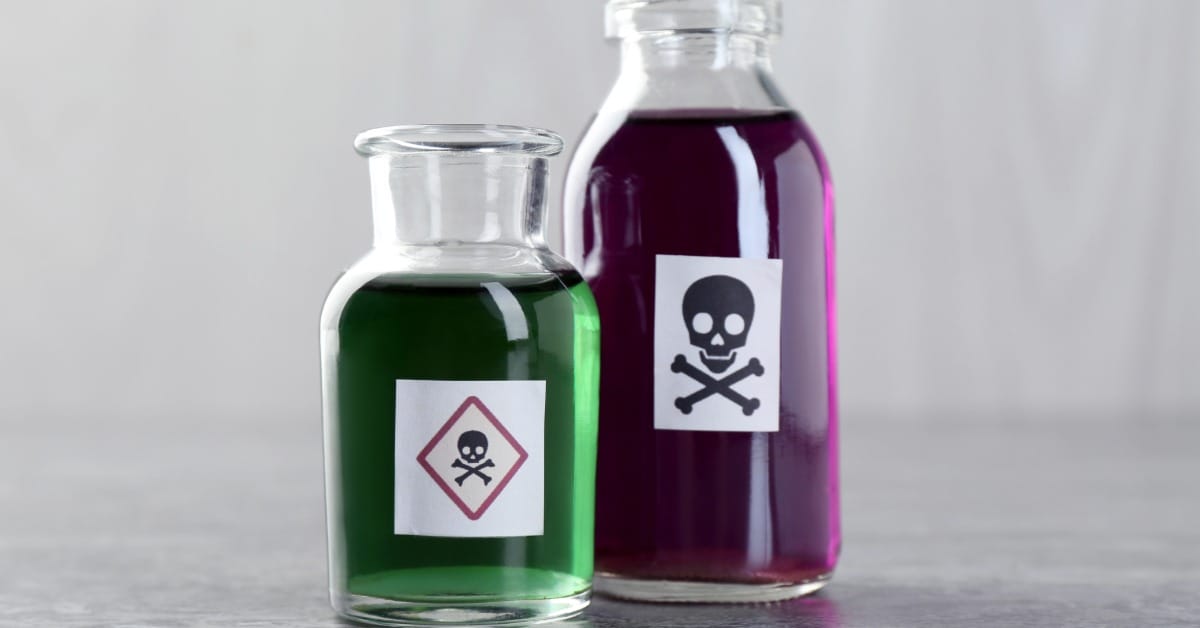
Homemade “acid bomb” videos are spreading rapidly on TikTok, prompting Danish authorities and experts to warn parents and young people about dangerous content that can cause severe injuries and permanent damage.
Viral Trend Raises Alarm Among Parents and Police
On TikTok, a new and deeply concerning trend is gaining traction. Mixed among harmless clips of crafts and humor, videos showing how to make so-called acid bombs have started circulating widely. Some of them even demonstrate the entire process before ending with an explosion.
Experts say the videos are particularly dangerous because they target children and teenagers who may not understand the potential consequences of copying what they see online. According to the Danish Media Council for Children and Youth, young people often fail to grasp the real risks behind such experiments.

Simple Chemistry with Severe Consequences
Explosives expert Peter Hald from Aarhus University confirms that the videos show real chemical reactions capable of producing small but powerful blasts. The process involves mixing reactive substances inside sealed plastic bottles, creating pressure until the bottle bursts violently.
While the blasts themselves may seem minor, the chemical spray is extremely corrosive. Contact with skin or eyes can cause permanent injuries within seconds. Hald emphasizes that what might look like a harmless prank is, in reality, an extremely dangerous act that can blind or disfigure a person instantly.
Local Incidents and Rising Concerns
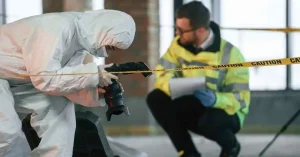
Across Denmark, the issue is no longer confined to social media. In multiple towns, police have investigated cases where young people made or threw acid bombs in public spaces.
One incident in Jutland led to three ninth‑grade students being charged with making threats after leaving an acid bomb outside a school employee’s home. In Esbjerg, two children were hospitalized with chemical burns after similar devices exploded in a schoolyard. Police even had to deploy bomb disposal equipment to remove the remaining bottles safely.
Inspired by TikTok Videos
Investigations show that many of these incidents were directly inspired by content found on TikTok. In Syddjurs Municipality, authorities recorded ten acid bomb cases within two weeks. Local crime‑prevention officers confirmed the recipes came from the platform.
The same pattern has been seen elsewhere, with groups of teenagers targeting mailboxes or schools after watching instructional clips. The accessibility of such materials online makes it easy for children to stumble across harmful content without realizing the dangers.
Calls for Responsibility and Awareness
Law enforcement and educators are urging families to talk with children about what they encounter online. Danish psychologists stress that open communication and clear boundaries are key to preventing risky behavior influenced by social media challenges.

Police in South and Southeast Jutland have already launched information campaigns encouraging parents to discuss the dangers of these “science experiments.” They remind the public that even when something looks fun or educational, it can still lead to serious harm.
TikTok has acknowledged that videos teaching users how to make acid bombs violate its safety rules. According to the company, most such videos are removed within 24 hours of being reported. However, experts question whether the platform is acting fast enough, as new content appears almost as quickly as it is taken down.
Children’s Safety Versus Online Freedom
Advocates for online safety argue that major technology platforms must take stronger action to protect minors. Yet many parents feel overwhelmed by the nonstop stream of trends and challenges. They are being asked to supervise their children’s activity more closely, even when those platforms are designed to appeal directly to kids and teens.
On the other hand, authorities recognize that prohibition alone is not effective. Instead, they call for better education about digital literacy and responsible behavior online. The goal is to help young users understand that imitating dangerous stunts is not a game but a serious risk to themselves and others.

Ongoing National Response
Police departments across Denmark say they remain attentive to this recurring online phenomenon. They note that trends like these tend to appear in waves and often resurface after brief disappearances from social media feeds. Officials warn that even brief exposure can inspire young users to experiment.
As experts point out, this issue goes beyond chemical safety. It reflects the challenges of raising children in a digital age where shocking or sensational content can travel faster than guidance or warnings. Ultimately, protecting young people from harm requires awareness at home, accountability from tech firms, and stronger community efforts to ensure safety both online and offline.
Sources and References
The Danish Dream: Danish Psychologist Urges Parents to Set Boundaries
The Danish Dream: Mental Health in Denmark for Foreigners
TV2: Opskrifter på syrebomber florerer på TikTok