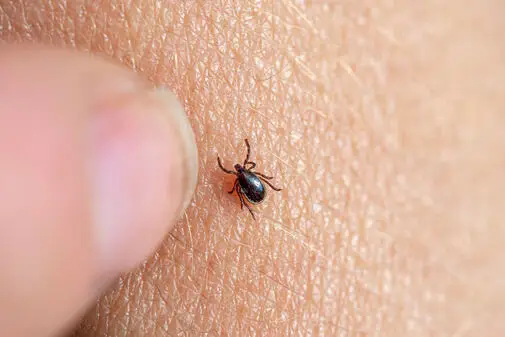
Ticks in Denmark can carry dangerous diseases, but the overall risk of serious illness remains low. Experts advise caution, not fear, and offer practical steps to reduce tick bites while enjoying nature.
Ticks and the Threat of Disease
In Denmark, the growing awareness of diseases transmitted through tick bites—such as Lyme disease (Borrelia), Tick-Borne Encephalitis (TBE), and tularemia (also known as hare fever)—has raised public concern. Ticks are known to transmit infections that can in some cases lead to serious illness including neurological complications and even long-term disability.
However, health experts and data from the Statens Serum Institut (Danish infectious disease authority) show that while tick bites are common, the vast majority do not lead to illness. The actual risk of contracting a severe tick-borne disease remains low.
Tick-Borne Illnesses in Denmark
Tick-Borne Encephalitis and neuroborreliosis (a neurological manifestation of Lyme disease) are among the most serious infections transmitted by ticks in Denmark. Unlike Lyme disease, which typically requires a tick to remain attached for over 24 hours to transmit the bacteria, TBE can be spread immediately after a bite.
In 2024, authorities recorded:
- 185 confirmed cases of neuroborreliosis
- 22 confirmed cases of TBE, 17 of which were contracted within Denmark
- 29 confirmed cases of tularemia
In total, 237 Danes were diagnosed with one of these severe tick-borne illnesses that year—a small number considering the thousands of people bitten annually.
Additional Infections from Ticks
Ticks in Denmark and surrounding countries can also carry less common pathogens such as:
- Anaplasmosis: A bacterial infection causing flu-like symptoms, often mild or unnoticed.
- Babesiosis: A parasitic infection with symptoms resembling malaria, including chills, fever, and fatigue.
- Alpha-gal syndrome, also known as meat allergy, which has been linked to tick bites causing allergic reactions to red meat.
These infections are rarely seen in the general population and typically pose a higher risk to immunocompromised individuals or people without spleens.
Prevalence of Ticks with Disease
A crucial factor in the relatively low occurrence of tick-related illness is that not all ticks carry dangerous pathogens. Ticks must first feed on an infected animal—such as rodents or deer—before they can transmit disease to humans.
Even if a tick is a disease carrier, transmission is not guaranteed. Studies show that only about 2% of tick bites in Denmark result in illness.
Tick Prevention Tips
Experts strongly advise against avoiding outdoor activities like hiking or woodland walks. Instead, they recommend simple, proactive precautions to minimize the risk:
- Stay on trails and avoid tall grass or underbrush.
- Wear long sleeves and tuck pants into socks or boots.
- Choose light-colored clothing to make ticks easier to spot.
- Use insect repellents containing DEET on skin or clothing.
- After time outdoors, check your body thoroughly—especially behind ears, knees, groin, and waistline.
- Take a shower and scrub your skin after potential exposure.
- Flip clothing inside-out and use a lint roller to remove ticks from fabric.
Prompt removal is essential. Lyme disease bacteria typically require more than 24 hours post-bite to transmit, giving a critical window to remove the tick. In contrast, TBE virus can be transmitted immediately, underscoring the importance of quick detection.
Should You Be Worried?
Experts emphasize that serious illness from ticks is rare in Denmark. However, due to the potential for severe outcomes, particularly in cases involving the nervous system, the issue should not be ignored.
While neighboring countries like Austria and Switzerland recommend TBE vaccinations starting from infancy due to higher tick infection rates, Denmark sees far fewer cases. In fact, most tick-transmitted TBE infections in Denmark are concentrated in very limited geographic zones.
Climate and Future Trends
Climate change and warmer weather have led to longer tick seasons and may contribute to increased geographic spread. Nonetheless, Danish researchers and doctors stress that with proper attention and protective habits, people should continue to enjoy the outdoors without fear—just with common-sense precautions.
Ultimately, ticks are not a reason to avoid nature, but a reminder to be mindful of the risks they pose and act swiftly when needed.