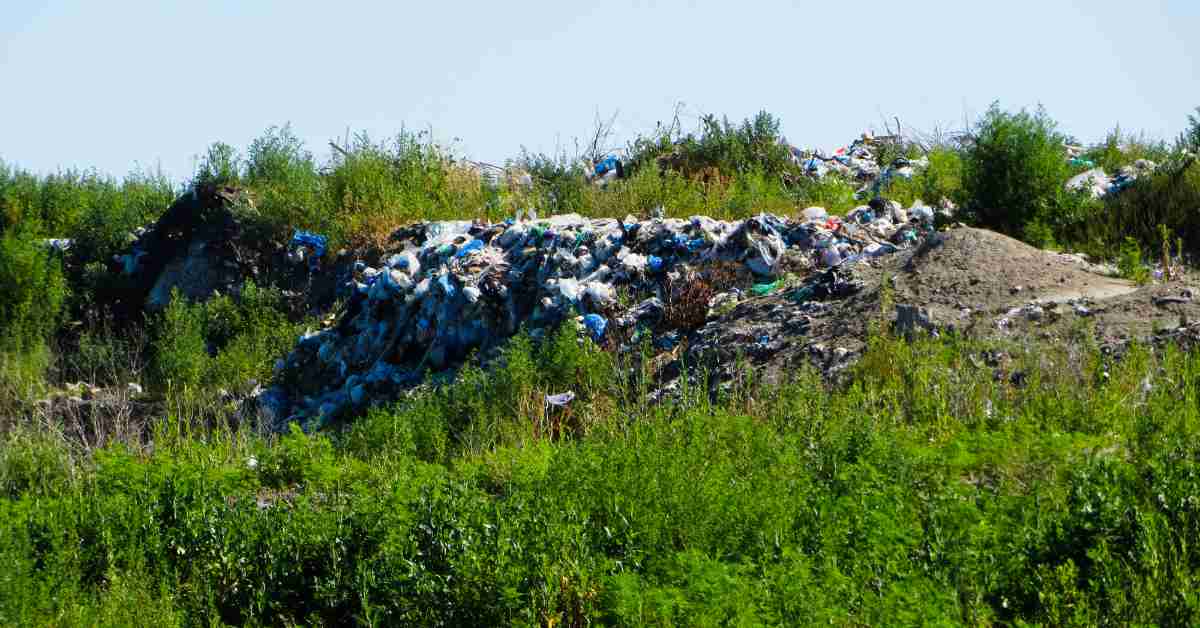
The Danish government and a broad majority in Parliament have reached a political agreement to strengthen tracking, oversight, and penalties for fraud involving contaminated soil, following several high-profile scandals in recent years. The deal focuses on tighter controls but faces criticism for not doing enough to protect groundwater and drinking water resources.
New Action Plan Targets Soil Fraud
Environment Minister Magnus Heunicke has described fraud involving contaminated soil and construction waste as a major problem in Denmark. The issue affects public health and the environment in ways that cannot be tolerated, according to the minister’s statement.
The political agreement includes a comprehensive action plan with most measures aimed at tightening oversight and enforcement. The initiative comes after a string of cases involving illegal handling of contaminated soil, several of which were exposed in the investigative TV program “Den Sorte Svane” on TV 2.

How Denmark Manages Contaminated Soil
Denmark operates a classification system for contaminated soil under the Soil Pollution Act. The system divides soil into three main categories, with Category 1 generally uncontaminated and Category 2 lightly contaminated. Severely polluted soil falls into higher categories.
Category 1 soil can be used freely in most areas but faces stricter rules in sensitive zones such as nature reserves or agricultural land. Category 2 soil requires official notification before it can be relocated. This framework is designed to prevent the spread of contamination and ensure safe reuse of soil.
Regional Oversight and Assessment Levels
Regions manage public efforts on soil pollution through two assessment levels. The V1 level indicates potential contamination based on historical activities that suggest risk. The V2 level confirms actual contamination through technical soil testing.
Regions issue mapping letters to property owners and prioritize efforts based on environmental and health risks. V1 sites can demand free investigation within one year, which may remove the designation if no pollution is found. V2 sites often require voluntary cleanup approved by the region.

Criticism Over Drinking Water Protection
The new agreement has drawn criticism from environmental groups and some political parties for not adequately addressing threats to drinking water. Danmarks Naturfredningsforening points out that the plan lacks initiatives to protect already vulnerable drinking water sources.
President Maria Reumert Gjerding expressed deep concern that the agreement does not include a ban on depositing soil in vulnerable areas. Harmful substances in soil can leach into groundwater, yet no stop has been introduced for soil placement in sensitive zones that have already been identified and are being continuously mapped.
Political Parties Call for Stronger Measures
Several parties supporting the agreement, including the Social Liberals and the Red-Green Alliance, acknowledge the limitations. Environmental spokesperson Katrine Robsøe of the Social Liberals said she would have preferred mandatory testing in vulnerable groundwater areas, though she considers the registration of soil movements a positive step.
Leila Stockmarr of the Red-Green Alliance stated that the party had hoped for more concrete measures, including a ban on soil deposits in drinking water areas and an end to economic profit as the driving force. She emphasized that the fight is far from over.

The 50 cm Rule and Property Owner Responsibilities
The so-called 50 cm rule requires property owners to ensure that the top 50 centimeters of soil on sites changing to sensitive uses like housing is uncontaminated or covered by permanent pavement. This rule applies during construction or redevelopment, even on existing residential land.
Sampling is recommended to provide documentation, as failure to comply risks health exposure, especially for children or in areas used for gardens. The rule represents one of several measures aimed at minimizing public contact with contaminated soil.
Polluter Pays Principle
Polluters bear primary responsibility for cleanup costs under Danish law. However, regions handle public interventions when no responsible party can be identified. These efforts focus on protecting health, drinking water, and groundwater.
Regions provide advice on land use and screen or replace soil as needed. Residential properties receive priority, while commercial sites qualify for intervention only if groundwater is threatened. Long waiting times are possible due to the prioritization system.
Scale of Soil Handling Challenges
Annual soil deposition in Denmark reached approximately 1.168 million tons in 2002, according to a study from Roskilde University Center. The volume highlights the scale of challenges in managing contaminated soil and underscores the need for safe deposition and reuse regulations.
Municipalities have held oversight responsibilities for lightly contaminated urban zones since 2008. They can adjust designations for city areas and require notifications for soil relocation to prevent the spread of contamination. These local controls work alongside regional efforts to track soil movements and avoid unsuitable deposits.
What the New Agreement Changes
The political agreement strengthens existing frameworks by enhancing tracking and enforcement mechanisms. Most points in the action plan focus on tightening oversight to make it harder for fraudsters to exploit gaps in the system. Despite criticism that the measures do not go far enough, supporters argue that better registration of soil movements represents progress.
Interestingly, the agreement does not introduce mandatory testing in all vulnerable groundwater areas, a measure that environmental groups and some parties consider essential. The debate reflects ongoing tensions between economic interests and environmental protection in soil management policy.
Sources and References
The Danish Dream: Denmark Bans PFAS Pesticides to Protect Groundwater
The Danish Dream: Best Environmental Lawyers in Denmark for Foreigners
DR: Bred aftale styrker kontrol med forurenet jord