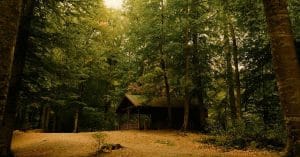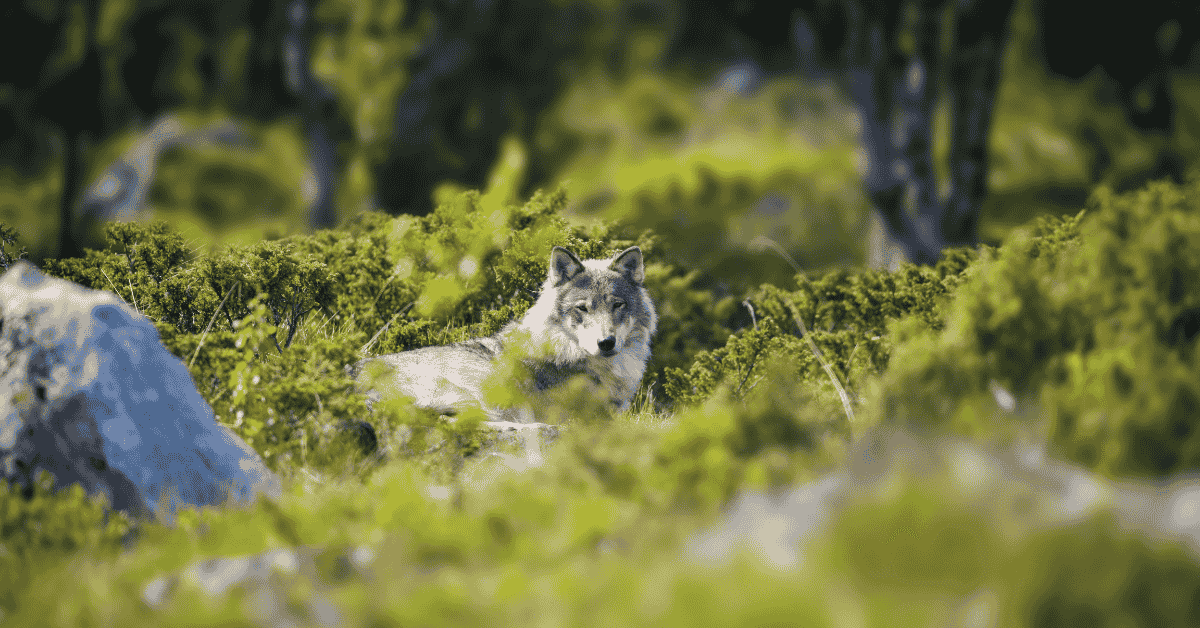
A Jutland forest is broadcasting recorded wolf howls through loudspeakers as part of an art installation, landing in the middle of Denmark’s heated debate over predators, rewilding and rural safety.
The new sound artwork launched in mid-June 2026 in a Jutland forest, playing wolf howls at intervals throughout the day. For an artist, it is meant to spark conversation about fear and wildness. For some locals, dog walkers and parents, it feels like a provocation in a landscape where real wolves already stir anxiety.
Denmark confirmed its first modern wolf in 2012. The population remains small but is reproducing, primarily in Jutland. For many Danes who grew up believing the country had no large predators, the return of wolves challenges a deeply rooted sense of safety. Add loudspeakers mimicking howls, and you have a debate that cuts across culture, policy and emotion.

Rewilding Meets Real Anxiety
I have watched Denmark shift its relationship with nature over the years I have lived here. The state is pushing hard towards more wild forests. On 29 May 2026, Naturstyrelsen announced Denmark’s first newly established state forest designated to become urørt skov, or untouched forest. No commercial logging, no tidy rows of spruce. Just natural processes and whatever moves in.
That shift includes large herbivores and, inevitably, predators. It also includes tension. Farmers in Western and Central Jutland have reported attacks on livestock. Parents worry about children cycling through forests where wolves are known to roam. Urban elites and nature NGOs celebrate the return of biodiversity. Rural residents often feel abandoned and patronized.
Art or Disturbance
The installation sits on an existing forest trail. Visitors can choose to experience it. But nearby residents may not know the howls are artificial. In expat Facebook groups and local Danish forums, confusion spreads quickly when wolf sounds echo through the woods.
Nature organizations that support wolves stress the animals pose very low risk to humans. Official guidance says stay calm, keep dogs close, and back away slowly if a wolf approaches. Real encounters are rare. But fear is driven by perception, not statistics.

Quiet Zones and Conflicting Goals
Bird and animal welfare groups have their own concerns. DOF BirdLife has called for at least half of publicly owned forest to be designated as quiet zones, free from sports events and large gatherings. They want 10 percent set aside as refuges with limited or no public access.
Repeated loud howling, especially at dawn or dusk, could disturb breeding birds and sensitive mammals. The same conservationists who want wolves back may not want speakers blaring animal sounds through nesting habitat. It is a collision of well-meaning agendas in a small, densely used country.
What Expats Need to Know
For expats from countries without wolves, the Danish debate can feel baffling. The nation markets hygge and safe bike paths. Now wolves and rewilding with large cattle are rewriting the story of what Danish nature means.

Access rules have not changed. State forests are generally open around the clock. Municipal and private forests may have restricted hours or path-only rules, signposted at entrances. Dogs must be on leads where signs indicate. Littering, loud music and off-path cycling in sensitive areas are prohibited.
If you encounter real wolves, stay calm and back away slowly. Do not feed or approach. If an art installation feels misleading or disturbing, contact the relevant municipal nature department or Naturstyrelsen. Contact details are posted on information boards or municipal websites.
The Bigger Picture
New research from the National Museum and University of Copenhagen in 2026 challenges the idea that Denmark was once uniformly forested. Prehistoric landscapes likely alternated between open and half-open habitats maintained by large herbivores. That finding supports modern rewilding logic and explains why debates over naturalness are so charged.

Germany, the Netherlands and Belgium have seen similar controversies as wolves returned over the past two decades. Urban populations tend to welcome predators. Rural communities often do not. Denmark mirrors that pattern, compressed into a much smaller space.
English-language communication from authorities about wolves and rewilding remains thin. Most detailed guidance is available only in Danish. That leaves non-Danish speakers reliant on social media or expat media summaries, which can amplify confusion. The risk of misunderstanding both the real danger from wolves and the intent behind provocative art projects is high.
A Soundscape Worth Debating
The howl installation will not run forever. But the questions it raises will linger. How wild should Danish nature be? Who gets to decide? And how do you balance biodiversity, agriculture, recreation and safety in a country where forests are never far from farmland or suburbs?
I do not have easy answers. But I know this: the conversation is necessary. Denmark is changing what it means to share space with nature. That includes discomfort, compromise and, yes, the occasional artificial howl in the woods.