Istedgade is Copenhagen’s most contradictory street, where a wartime resistance slogan, old red light grit, and hip Vesterbro cafés share the same pavement.
Key Points
- Wartime legend: The slogan “Istedgade overgiver sig aldrig” made the street a symbol of Danish defiance under Nazi occupation.
- From red light to renewal: Istedgade was Copenhagen’s main red light district before decades of urban renewal reshaped it.
- A living duality: The eastern end near the station stays gritty, while the western end turns leafy and stylish.
- Best base in Vesterbro: Easy walking distance from Copenhagen Central Station, surrounded by bars, bakeries, and boutiques.
- Honest safety advice: Generally safe, but stay aware near the station after dark, like in any big city.
Istedgade: The Real Heartbeat of Vesterbro, Copenhagen
I have walked Istedgade hundreds of times in my years here. Few streets capture Copenhagen’s strange mix of grit and polish so well. Istedgade runs through Vesterbro, starting right behind Copenhagen Central Station.
For expats, this street is a fast lesson in how the city really works. It refuses to be one single thing. You get bodegas next to natural wine bars, and sex shops beside design studios.
Where Is Istedgade?
The street begins at Reventlowsgade, just behind the central station, and heads southwest. It stretches roughly 1.5 kilometers until it reaches Enghave Plads. It runs parallel to Sønder Boulevard, one street to the south.
That layout matters when you visit. The character shifts block by block as you walk west. The further you get from the station, the calmer and more polished things become.
How Istedgade Got Its Name: The Battle of Isted
The name carries serious historical weight. Istedgade honors the Battle of Isted, fought on 25 July 1850. This was one of the largest battles in Scandinavian history.
Around 40,000 troops clashed during the First Schleswig War. Denmark won, and the victory became national mythology. The famous monument, the Isted Lion, now stands at Kastellet in Copenhagen.
The Street That “Never Surrenders”
The street earned its real legend during World War II. As Copenhagen rose against the German occupation in 1944, Istedgade became a flashpoint. Residents and bar owners pushed back hard against the occupiers.
From that defiance came the slogan “Istedgade overgiver sig aldrig”, meaning “Istedgade never surrenders”. Danes still quote it today. For me, it explains the street’s stubborn refusal to be tamed or fully gentrified.
The Red Light Years and the Great Clean Up
This is the part the glossy guides often skip. After the war, and especially from the 1960s, Istedgade became Copenhagen’s main red light district. Sex work concentrated in the blocks closest to the station.
Denmark legalized pornography in 1969, and the street leaned into the reputation. Sex shops, porn cinemas, and peep shows lined the pavement. By the 1980s, open heroin dealing and crime spread through the side streets.
Gentrification and Urban Renewal
From the 1990s, the City of Copenhagen launched major urban renewal, known in Danish as byfornyelse. Crumbling courtyard buildings were renovated or torn down. New green spaces and playgrounds appeared across Vesterbro.
The effect was dramatic, and not entirely comfortable. Rents climbed, old porn cinemas closed, and design shops moved in. Working class families who defined the area for a century slowly got priced out, a pattern expats will recognize across Copenhagen.
Istedgade Today: Cafés, Bars, and Boutiques
Walk the western half today and the transformation is obvious. This is now one of the liveliest stretches of nightlife in Copenhagen. Neon signs glow over cocktail bars, brunch spots, and record stores.
What I love is that the grit never fully disappeared. A classic bodega still pours cheap beer next to a third wave coffee bar. That contrast is the whole point of Istedgade.
Where to Eat and Drink
The food scene reflects Vesterbro’s diverse population. You will find Middle Eastern grills, Asian kitchens, and Danish bakeries within a few blocks. Just off the street sits Kødbyen, the Meatpacking District.
Kødbyen has become a magnet for the city’s food markets and restaurants. Nearby Halmtorvet and Værnedamsvej add even more options. Honestly, you could eat your way down Istedgade for a week.
Shopping and Street Life
Istedgade rewards slow browsing more than fast buying. Expect vintage clothing, vinyl, ceramics, and small design shops. These are independent stores, not the chains you find on Strøget.
The street life is half the show. Skaters, parents with cargo bikes, and tourists all share the narrow pavements. Sit with a coffee and watch the real Copenhagen pass by.
Is Istedgade Safe? An Honest Take
Let me be direct, because the question comes up constantly. Istedgade is broadly safe, and Copenhagen ranks among the world’s safest capitals. Tourists and families walk it daily without trouble.
That said, the blocks nearest the station still see visible drug activity and sex work. Sex work is legal in Denmark, while pimping and trafficking are not. The city focuses on harm reduction and social support rather than punishing sex workers.
My advice mirrors any major city. Stay aware after dark, keep an eye on your bag, and stick to busier blocks. Solo travelers generally feel comfortable here, even at night.
Visiting Istedgade: Best Time and How to Get There
A visit to Istedgade gives you a fuller picture than Nyhavn ever will. This is the authentic, lived in Copenhagen, not a postcard. Here is how to plan it well.
Best Time to Visit
The sweet spot runs from April through September. Temperatures sit around 10C in April and reach 20C in midsummer. Long Nordic daylight keeps the street buzzing late into the evening.
Summer brings markets, outdoor seating, and live music in nearby Enghaveparken. Winter has its own charm, with warm bodegas and quiet, lamplit pavements. I actually prefer the street in low season.
Getting There
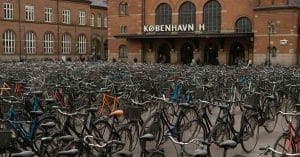
Istedgade could not be easier to reach. Copenhagen Central Station sits at its eastern end, so trains, buses, and the metro all work. From the airport, the train takes under 15 minutes.
The Danish way is to arrive by bike. Copenhagen has more than 390 kilometers of cycle lanes. Renting a bike makes cycling here both quick and genuinely fun, or use public transport if you prefer.
Tips for a Great Visit
- Walk the full length: Start at the station and head west to Enghave Plads. The shift in atmosphere is the real attraction.
- Eat local: Skip the chains. Try a Vesterbro bakery, a shawarma joint, or Kødbyen for dinner.
- Explore the side streets: Saxogade and Værnedamsvej hide some of the best small shops and cafés.
- Stay nearby: Vesterbro is a smart base for expats and visitors. Check options for where to stay in Copenhagen.
- Respect the residents: This is a real neighborhood. Be discreet around sex workers and vulnerable people.
Istedgade is not polished, and that is exactly why it matters. It shows Copenhagen with the makeup off. For anyone living here or moving here, this street tells the truth about the city.
Frequently Asked Questions About Istedgade
How did Istedgade get its name?
Istedgade is named after the Battle of Isted, fought on 25 July 1850. It was a major Danish victory in the First Schleswig War. The famous Isted Lion monument now stands at Kastellet in Copenhagen.
Is Istedgade still a red light district?
Partly, yes. Some sex work and drug activity remain near Copenhagen Central Station. The western half, however, is now dominated by cafés, bars, and independent shops after decades of urban renewal.
Is Istedgade safe to visit at night?
Istedgade is generally safe, in line with Copenhagen’s high safety standards. The blocks near the station feel rougher after dark. Stay aware, keep to busy areas, and you should have no problems.
What is the “Istedgade never surrenders” slogan?
“Istedgade overgiver sig aldrig” means “Istedgade never surrenders”. It came from local resistance during the 1944 uprising against Nazi occupation. The phrase still symbolizes Danish defiance and the street’s stubborn spirit.
What is there to do on Istedgade?
You can browse vintage and design shops, eat across many cuisines, and enjoy a strong bar scene. The nearby Meatpacking District adds food markets and nightlife. Walking the street itself is the main draw.
How do I get to Istedgade?
Istedgade starts right behind Copenhagen Central Station. Trains, buses, and the metro all stop there. Cycling is the local favorite, thanks to the city’s extensive bike lane network.
Is Istedgade good for families?
During the day, yes. Parks like Enghaveparken and family friendly cafés sit nearby. The eastern end near the station is livelier at night, so daytime visits suit families better.
When is the best time to visit Istedgade?
The warmer months from April to September are ideal. You get long daylight, outdoor seating, and street events. Winter is quieter but still charming, with cozy bodegas and a calmer pace.