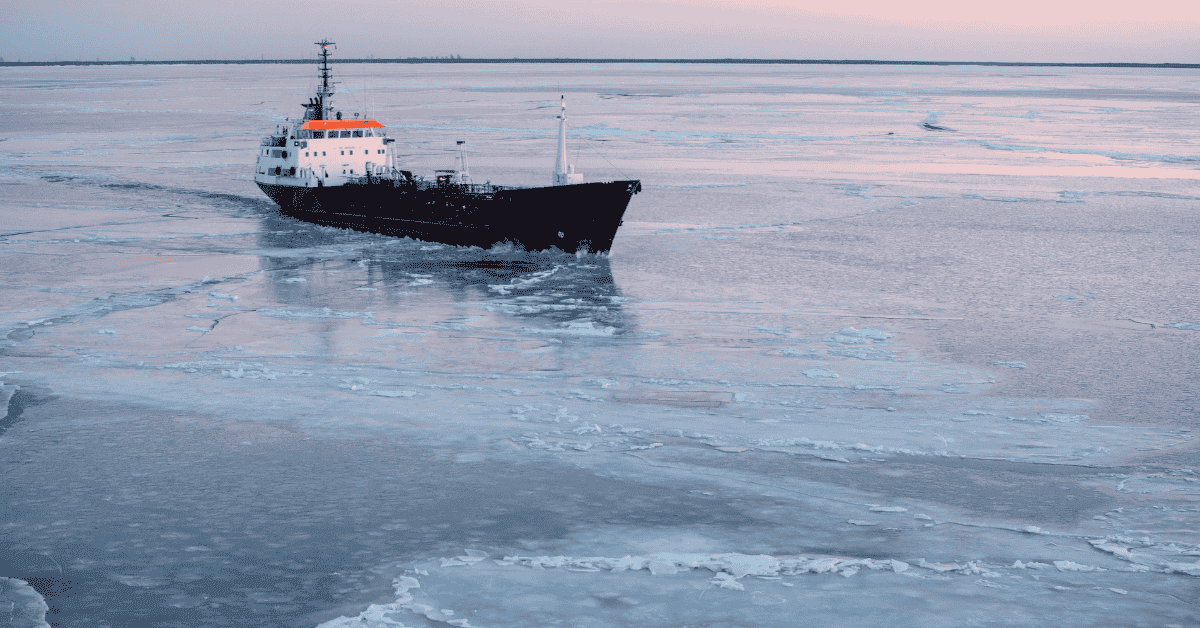
The third concrete element of the Fehmarn Belt tunnel has been lowered into place on the seabed off Lolland. Denmark’s €7.5 billion fixed link to Germany is inching forward, with 86 more massive segments still to go before the world’s longest immersed tunnel opens in 2029 or 2030.
The operation began Thursday evening when the 217-meter, 73,500-ton concrete element was towed from the fabrication plant at Rødbyhavn by five tugboats. Over the weekend, crews lowered it into the tunnel trench roughly 500 meters from Lolland’s coast and connected it to the existing tunnel structure. According to Femern A/S, each successful installation marks another step in what has become Europe’s most ambitious infrastructure project.
“Each lowering is a demanding precision task where many parts must work together,” said Lasse Vester, deputy contract director at Sund & Bælt, as reported by Ritzau. “We are very satisfied that another element now lies safely on the seabed. With each lowering, FLC gains important experience.”
That experience will matter. There are 76 standard elements plus three portal segments still to produce, lower, and seal. The timeline is tight, and the costs are enormous.

What We’re Really Building
The Fehmarn Belt tunnel will run 18 kilometers between Denmark and Germany beneath the Baltic Sea. It will carry a four-lane motorway and two electrified railway tracks. Travel time from Copenhagen to Hamburg will drop from 4.5 hours to around 2.5 hours by train once the full rail upgrades are complete. By car, the tunnel replaces a 45-minute ferry with a 10-minute drive through concrete and rebar.
The project is part of the EU’s Scandinavian-Mediterranean TEN-T corridor, linking Finland to Malta via rail and road. Brussels has pumped nearly €1.7 billion into Fehmarn and related upgrades, viewing the tunnel as essential to green logistics and economic integration. Denmark is financing construction through state-owned Femern A/S, with tolls covering the loans over decades, just as with the Storebælt and Øresund bridges.
Living here, you see this project through two lenses. One is practical: better connections, faster freight, fewer emissions if trucks shift to rail. The other is financial: €7 to 8 billion in construction costs, with risks of overruns baked into every large-scale concrete pour.

The Lolland Factor
The fabrication site at Rødbyhavn has reshaped Lolland’s coastline and economy. Up to 3,000 workers are employed during peak construction, many from across the EU. The municipality has touted job creation and long-term logistics potential, hoping Fehmarn will reverse decades of depopulation and high unemployment.
But history offers a caution. The benefits of major transport hubs don’t always flow to surrounding regions. Transit jobs evaporate when the concrete dries. Wages and gains often concentrate near big cities or among multinational logistics firms, not in rural Lolland.
Unions like 3F have kept pressure on contractors to ensure Danish labor standards and fair pay. There have been disputes over subcontractors and working conditions, but no major scandals so far. Still, the international workforce and layered contracting structures demand constant oversight.

German Resistance and Legal Battles
Germany has been the reluctant partner. Environmental groups, local citizens, and municipalities in Schleswig-Holstein fought the project through years of lawsuits. Concerns ranged from noise and heavy truck traffic to damage to protected Natura 2000 marine habitats and seabird reserves.
The Federal Administrative Court in Leipzig approved the final permits in 2020 and 2021, but with conditions. Monitoring of water quality, limits on construction during sensitive periods, and noise protection for affected communities are now mandatory. Critics say Germany bears the cost of rail upgrades while Denmark collects the toll revenue, a tension that lingers beneath the surface.
Environmental worries haven’t disappeared. The Baltic Sea is already stressed by nutrients, fishing, and shipping. Adding large-scale construction stirs sediment, disrupts species, and compounds cumulative impacts that are difficult to model. Danish and German authorities maintain that compensation measures will mitigate harm, but some marine scientists remain skeptical.
The Optimism and the Doubt
Supporters argue Fehmarn is a strategic necessity. Faster freight, greener logistics, stronger ties to Central Europe, and a Danish role as a transport and energy hub. They point to EU funding, political consensus, and long-term payoff through tolls and economic growth.
Critics question the traffic forecasts, the environmental trade-offs, and the budget discipline. They wonder if upgrading ferries, investing in digital infrastructure, and prioritizing domestic rail might deliver better returns. Large projects have a way of exceeding budgets and underperforming on promises. Gotthard, Øresund, and Storebælt all taught that lesson.

I’ve watched Fehmarn unfold from the sidelines for years now. The ambition is undeniable. So is the risk. Denmark is betting billions on a fixed link that assumes steady growth in cross-border travel and freight, stable geopolitics, and minimal disruption from climate or economic shocks. That’s a big assumption for a tunnel that won’t open until the end of the decade.
Three elements down, 86 to go. The work is precise, the stakes are high, and the outcome will define Denmark’s infrastructure legacy for generations. Whether it becomes a model of green connectivity or a cautionary tale about overreach depends on what happens next, deep below the Baltic and far above in boardrooms and ministries.
Sources and References
Ritzau: Entreprenør nedsænker tredje element til Femern Bælt-tunnelen
The Danish Dream: Denmark Rail Shutdown Week 29 Travel Chaos
The Danish Dream: Copenhagen Highways Face Truck Traffic Nightmare
The Danish Dream: World’s Longest Bike Bridge Planned in Denmark